Elisa Hedman
-
Puppy, adolescent or adult: how age changes a return
A twelve-week-old puppy, an eight-month-old adolescent and a seven-year-old dog coming back to the breeder need very different plans. What each age brings: vaccinations and the socialization window, the adolescent phase, adult habits and history, and the needs of an…
-
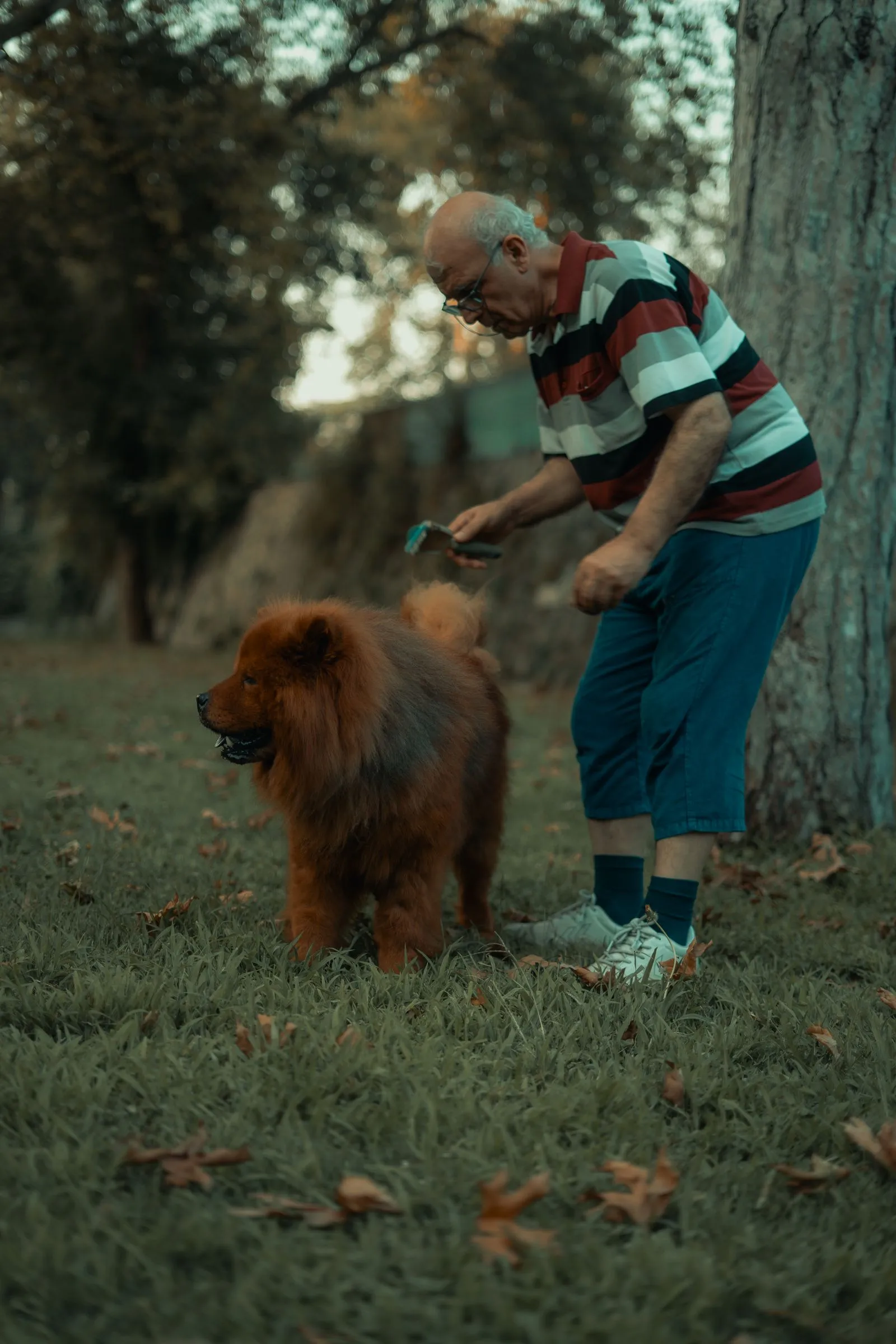
Shedding season: why dogs blow their coat in spring and fall, and what helps
Tumbleweeds of fur in spring and fall are normal for many dogs, especially double-coated breeds. Why seasonal shedding happens, how long it lasts, which tools and routines actually help, why shaving a double coat backfires, and when hair loss is…
-
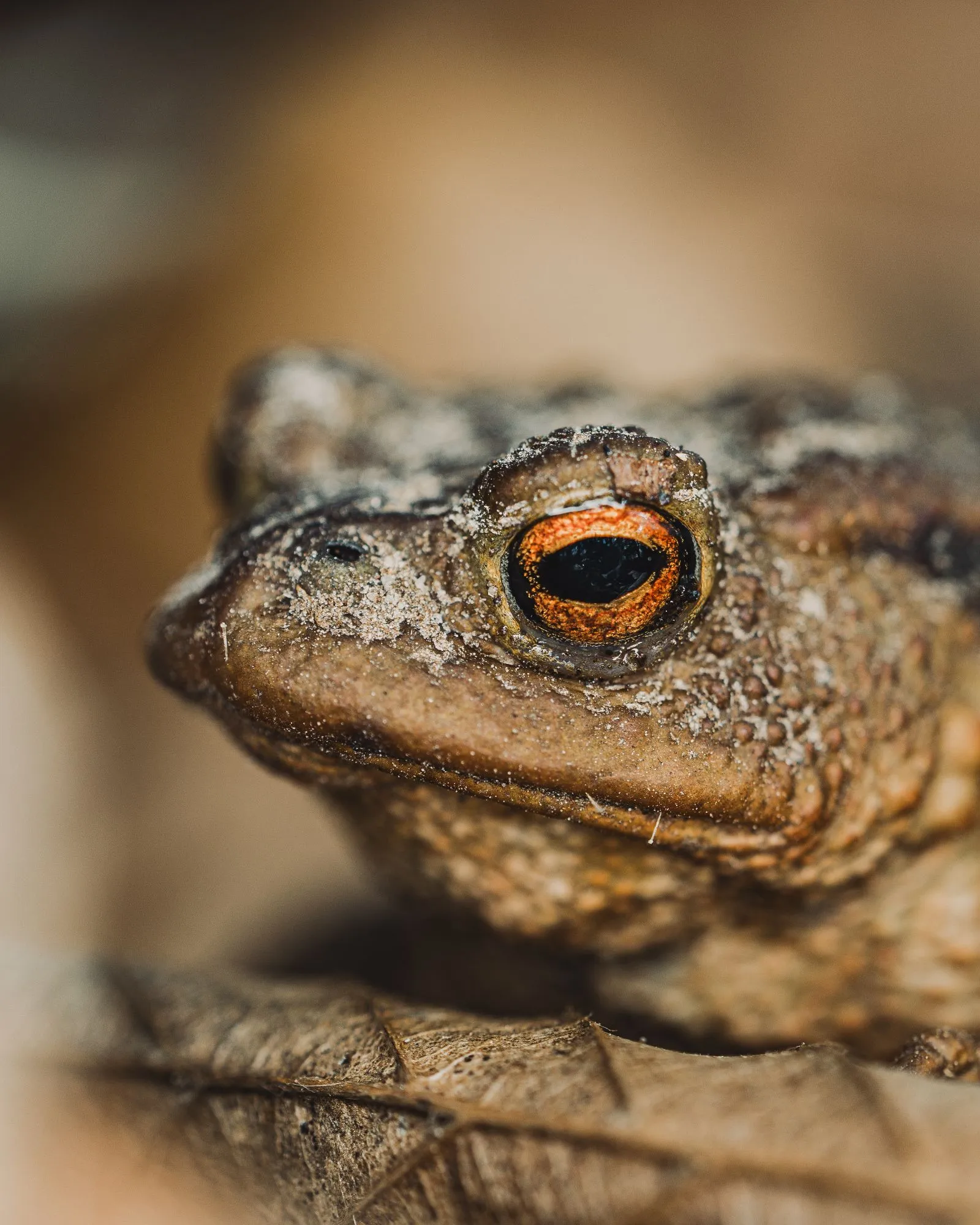
Toad poisoning in dogs: the spring and summer risk in the garden
Toads come out after rain in spring and summer, and a dog that licks, mouths or bites one can be poisoned within minutes. Which toads are most dangerous in North America, Australia and Europe, the signs to watch for, why…
-
Building a long-term relationship with your puppy buyers
A sale lasts a day; the relationship with a puppy buyer can last fifteen years. Why that relationship protects your dogs, what makes buyers come to you first, how to build a community of owners, and how to stay close…
-

The first day and the first week with your puppy
The first week in a new home is a big change for a puppy that has never been away from its mother and littermates. What to do on the journey and the first day, how to get through the first…
-
Canine herpesvirus: protecting the pregnant bitch and newborn puppies
Canine herpesvirus is common in adult dogs and usually harmless to them, but it can kill newborn puppies within a day of the first signs. Why puppies under three weeks are at risk, what to watch for, and the isolation,…
-
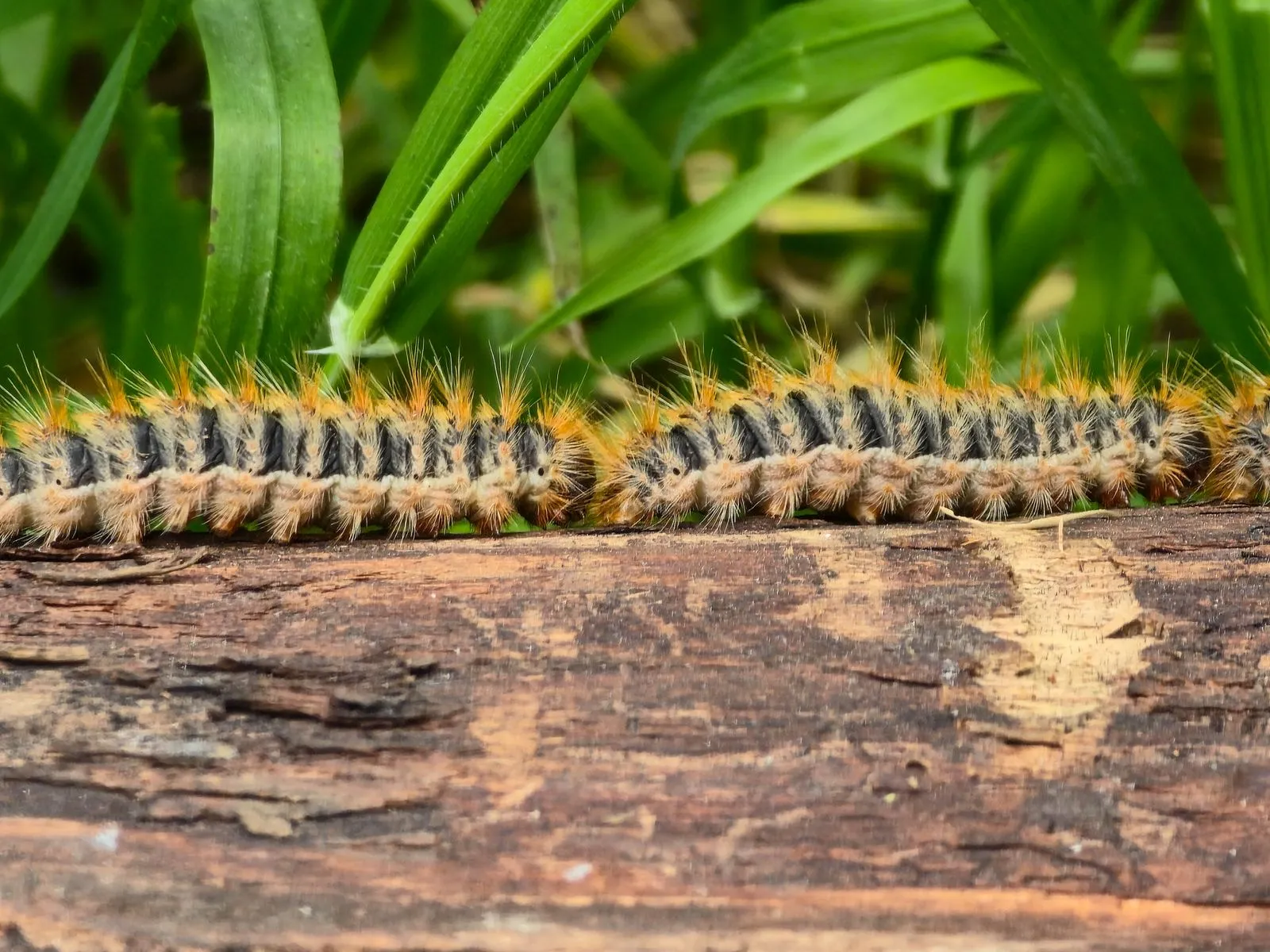
Processionary caterpillars and dogs: the late-winter danger on pine and oak trees
In late winter and spring, pine processionary caterpillars come down from trees in long lines — and a curious dog that sniffs or licks one can end up with a swollen, damaged tongue. Where and when the risk is highest,…
-
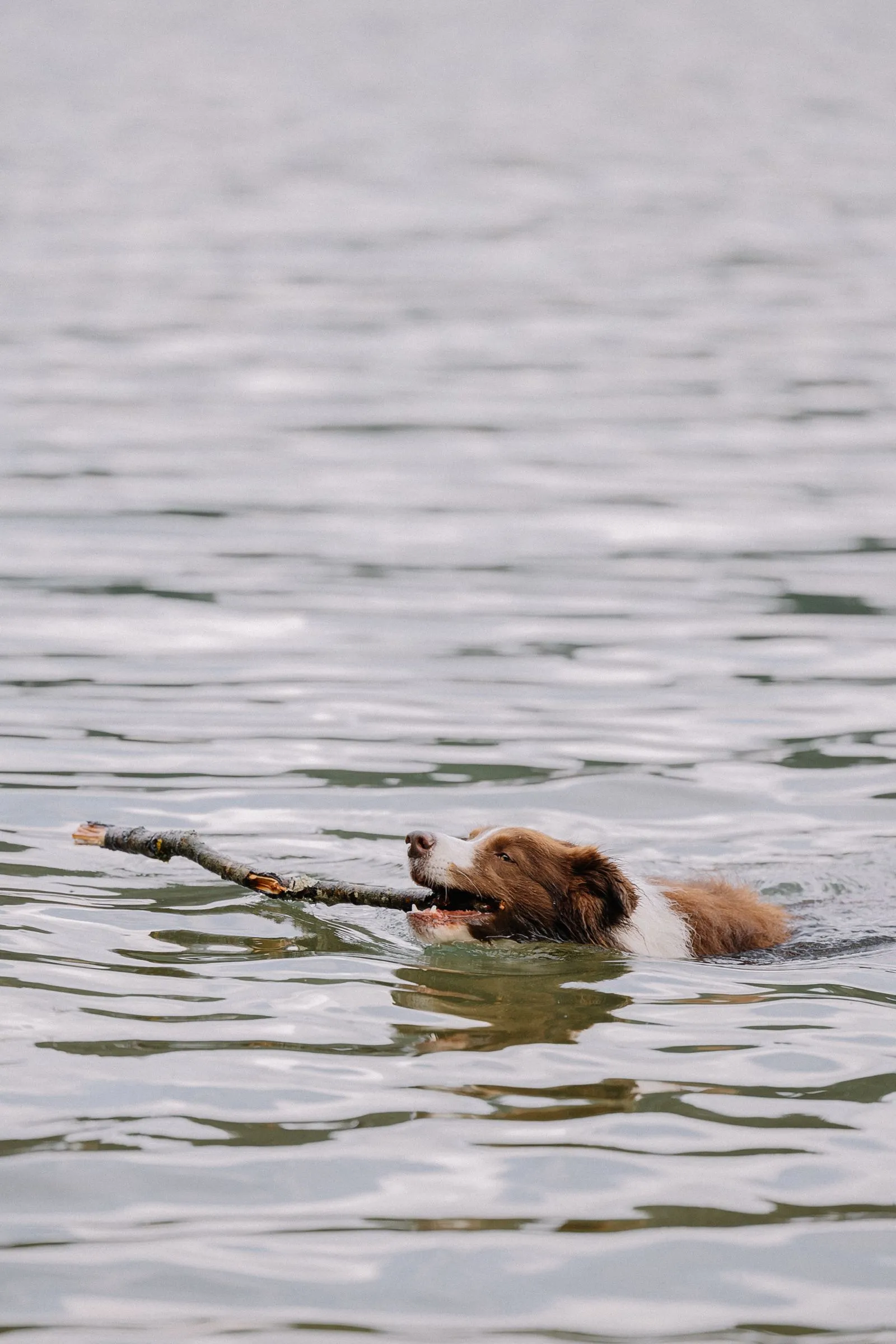
Blue-green algae and dogs: how to spot toxic water and what to do
In warm weather, cyanobacteria (blue-green algae) can make toxins that kill dogs quickly, and there is no antidote. What risky water and shoreline mats look like, why toxic growth can hide on riverbeds, how to rinse your dog after exposure,…
-

Fireworks, Fourth of July and Canada Day: keeping your dog safe and calm
Fireworks fear is common, often starts in a dog’s first year and can get worse. How to prepare in the weeks before Canada Day and the Fourth of July, make the night itself easier, keep your dog from escaping, and…
-
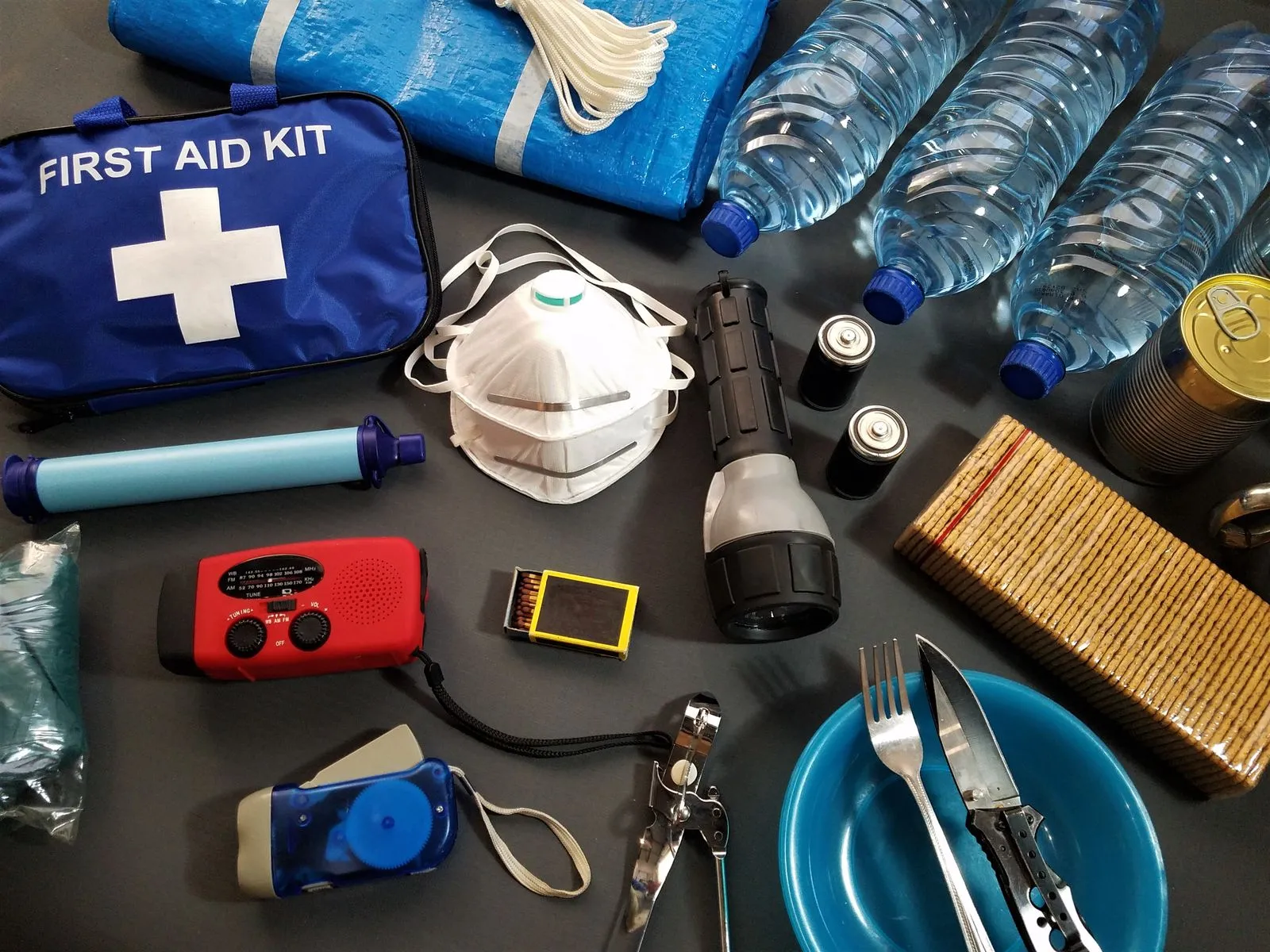
An emergency kit and evacuation plan for your dog
Many evacuation centers don’t accept pets, and fast-moving disasters leave no time to go back. What to put in a grab-and-go kit for your dog, how to plan where you’ll both stay, setting up a buddy system, and keeping ID…
Find your way in
Where are you right now?
Find your way in
Where are you right now?
Find your way in
Where are you right now?
Find your way in
Where are you right now?
Find your way in
Where are you right now?
Find your way in