Breeding Goals & Strategy
Defining breeding goals, evaluating breeding stock, pedigree analysis, and long-term breeding programs.
-
Your first dog show: preparing a young dog for show season
The first show season is about building a confident young dog, not winning. Who can enter, how ringcraft and handling classes help, how to teach stacking, gaiting and the judge’s exam, how to protect your dog’s health at shows, and…
-

Breeding goals worksheet: define and prioritize your aims
A breeding goals worksheet to define and rank your aims — non-negotiables, active priorities and preferences — so any mating can be judged against them.
-
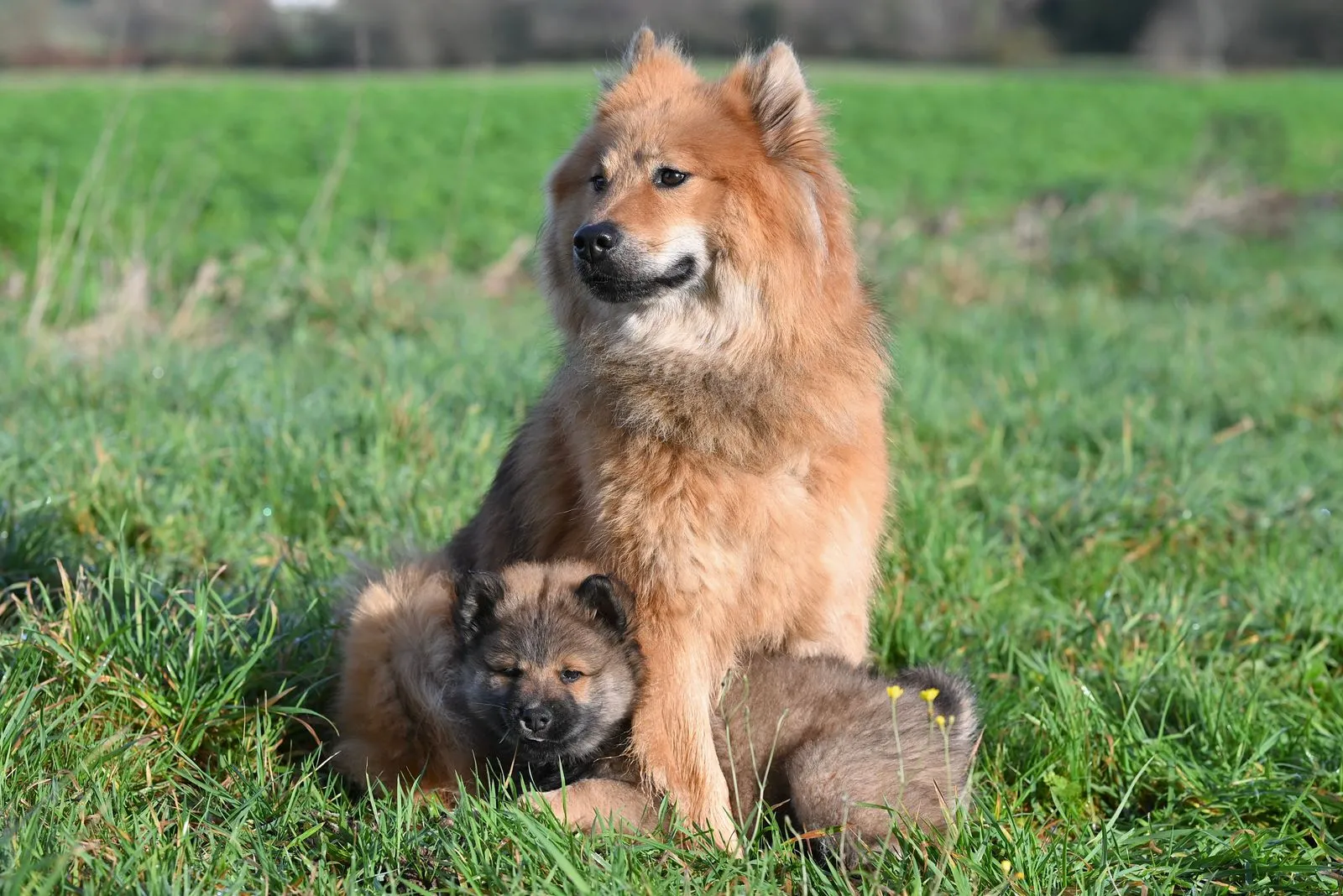
Breeding systems: linebreeding, outcrossing and inbreeding in practice
Linebreeding, outcrossing and inbreeding are tools, not identities. How each concentrates or diversifies genes, why reward and risk rise together, and how to choose the system for the goal.
-
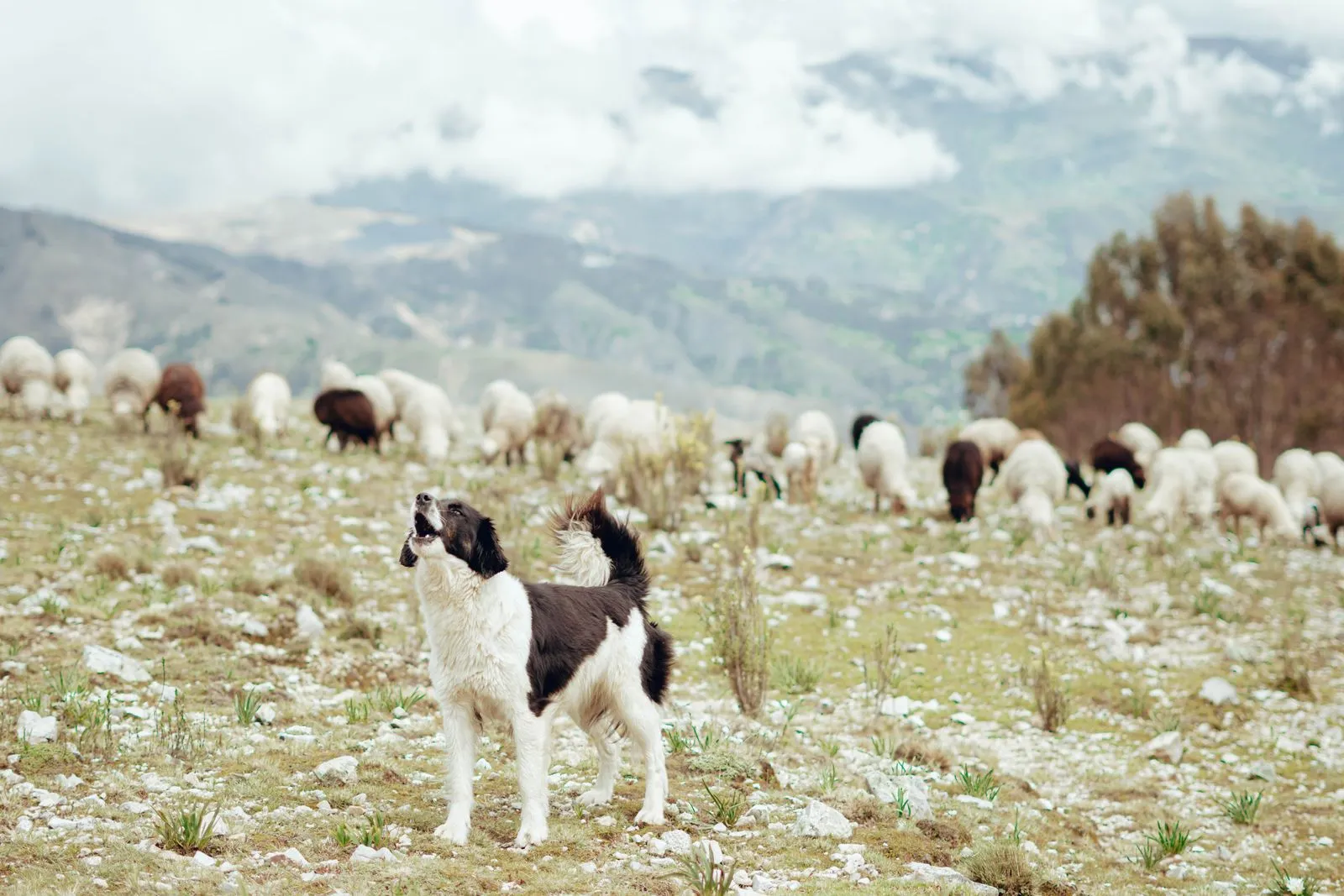
Assessing temperament and working ability in breeding stock
For most breeds, temperament is the most important evaluation a breeder makes — and the one most often done on gut feeling. How to assess it, and working ability, as carefully as structure.
-

Designing a long-term breeding program
A long-term program is a direction held over many years: goals, evaluation, pedigree and systems applied to a line, not a litter. Thinking in generations, and steering by results.
-

Long-term breeding plan template: plan generations ahead
A working template to plan your line generations ahead — direction, current position, planned matings and health and diversity checkpoints — tied to your goals and reviewed each year.
-

Pedigree and family analysis: reading beyond the individual
A dog is a sample of its family. Reading a pedigree for what a line consistently produces — through siblings and offspring — often predicts what a dog will pass on better than the individual.
-

Evaluating conformation: how to assess structure objectively
Conformation is about structure and movement, not a pretty outline. How to read a dog’s build against function, judge movement over the stack, and stay honest about your own dogs.
-
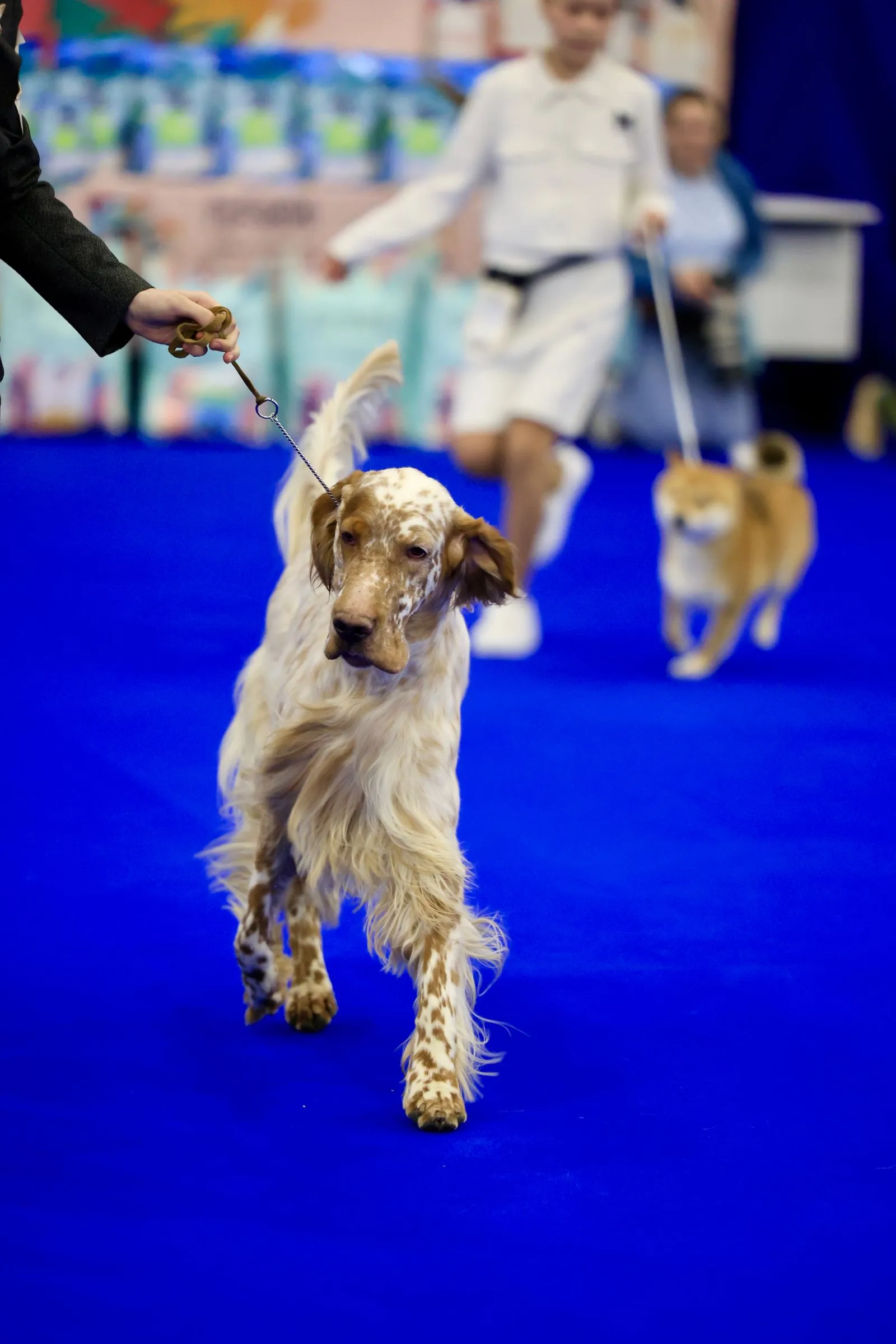
Reading the breed standard: type, function and interpretation
The breed standard describes a whole, functional dog, not a parts list. How to read it for meaning and function, see breed type, and keep a line from drifting toward fashion.
-
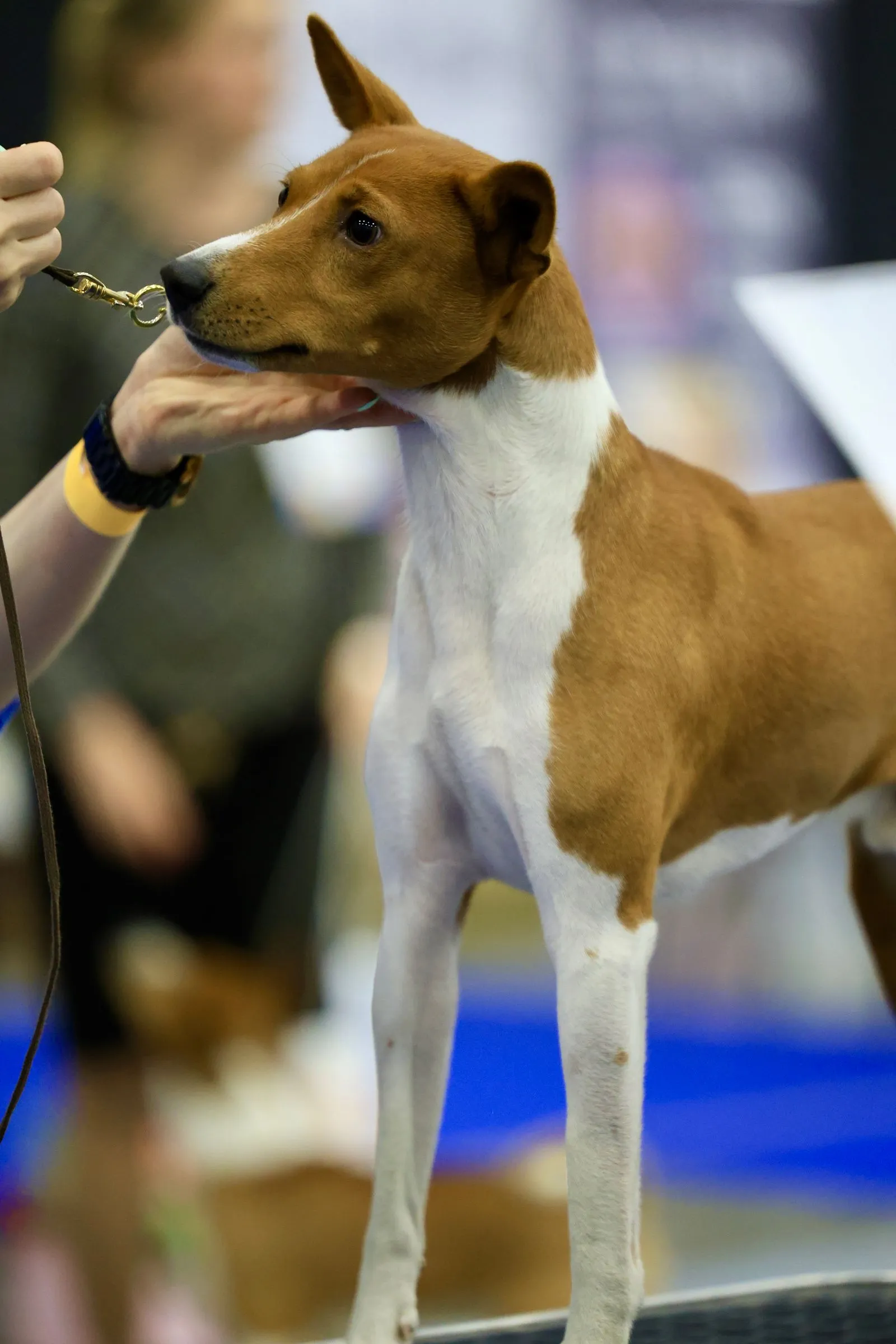
Evaluating breeding stock honestly — and avoiding kennel blindness
Evaluating breeding stock is where type, temperament, conformation and health become one honest verdict: should this dog be bred, and to what? And how to beat kennel blindness.
-

Setting breeding goals: turning values into measurable priorities
A goal you can’t measure is a goal you can’t tell whether you’ve met. Turning your values into a few clear, prioritized, checkable aims — and being honest about your non-negotiables.
-

Building a breeding program: from goals to combinations
A dog breeding strategy is what turns good intentions into good dogs. How goals, honest evaluation, pedigree and planning fit together into a program — not a series of one-off litters.
Find your way in
Where are you right now?
Find your way in
Where are you right now?
Find your way in
Where are you right now?
Find your way in
Where are you right now?
Find your way in
Where are you right now?
Find your way in