Every dog you breed will outlive at least some of the circumstances it was placed into — a job, a marriage, a house, a person’s health — and the promise to take it back is the only part of a sale that is designed for exactly that moment.
The most important first
- A return commitment is a welfare mechanism, not a sales feature: the American Veterinary Society of Animal Behavior’s 2008 position statement says that behavioral problems are the number one cause of relinquishment to shelters.
- The Royal Kennel Club’s code of ethics commits its members to help with rehoming a dog if the initial circumstances change; the American Kennel Club’s guidance on contracts notes that breeders usually want to be told of any rehoming, even to friends or family.
- A good clause answers four questions: what triggers it, at what ages, on what financial terms, and what happens if you cannot take the dog yourself.
- Plan capacity before you need it. A promise to take back every dog you have ever bred is only as real as your space, time and backup.
- A returned dog is rehomed on full disclosure — including any bite history — or not at all.
Why the clause exists
Life changes more often than breeders like to think. The American Kennel Club’s contract guidance lists the ordinary reasons — illness, allergies, divorce, relocation, financial trouble — and makes the point that they happen to the best of owners. The question is not whether some of your dogs will need a new home, but where they will go when they do: back to you, to someone you have vetted, or to a stranger, a classified ad or a shelter.
The behavioral data make the stakes plain. AVSAB’s 2008 position statement says that behavioral problems are the number one cause of relinquishment, and states that behavioral issues, rather than infectious disease, are the leading cause of death in dogs under three. That second point is the society’s own assessment rather than a figure from published data. Later studies of relinquished dogs find behavior to be the main stated reason in roughly a third of cases, alongside housing, cost and changes in the owner’s life. A dog relinquished for behavior is exactly the dog that most needs someone who knows its history — and you are the only person who does.
Kennel clubs say something similar in different words. The Royal Kennel Club’s code commits members to help rehome a dog if circumstances change. Dogs Australia’s code bars members from surrendering dogs they own or bred to a pound or shelter. The Canadian Kennel Club’s code requires that any return or replacement policy be clearly defined in the sale terms.
What the clause has to say
Write the commitment as a mechanism rather than a sentiment. The trigger: the buyer’s undertaking to contact you before selling, giving away or surrendering the dog, at any age, for any reason. The ages: whether your offer stands for the dog’s whole life or only for a period — and if it is for life, say so. The financial terms: whether you refund part of the price, and on what basis, or whether the return is simply without charge in either direction. The logistics: who transports the dog, and who pays. And the fallback: what happens if you are ill, abroad, or no longer breeding, and who acts in your place.
Be realistic about enforceability. The American Kennel Club notes that responsible breeders’ contracts commonly require buyers to contact them before rehoming; how far that obligation can be enforced if a buyer simply sells the dog on differs substantially between countries. The clause works mostly by being clear, agreed and repeated, which is why it belongs in the contract, in the puppy folder and in your follow-up messages — see sales contracts and consumer law and the Puppy Purchase Agreement template (coming soon).
Capacity: can you actually keep the promise?
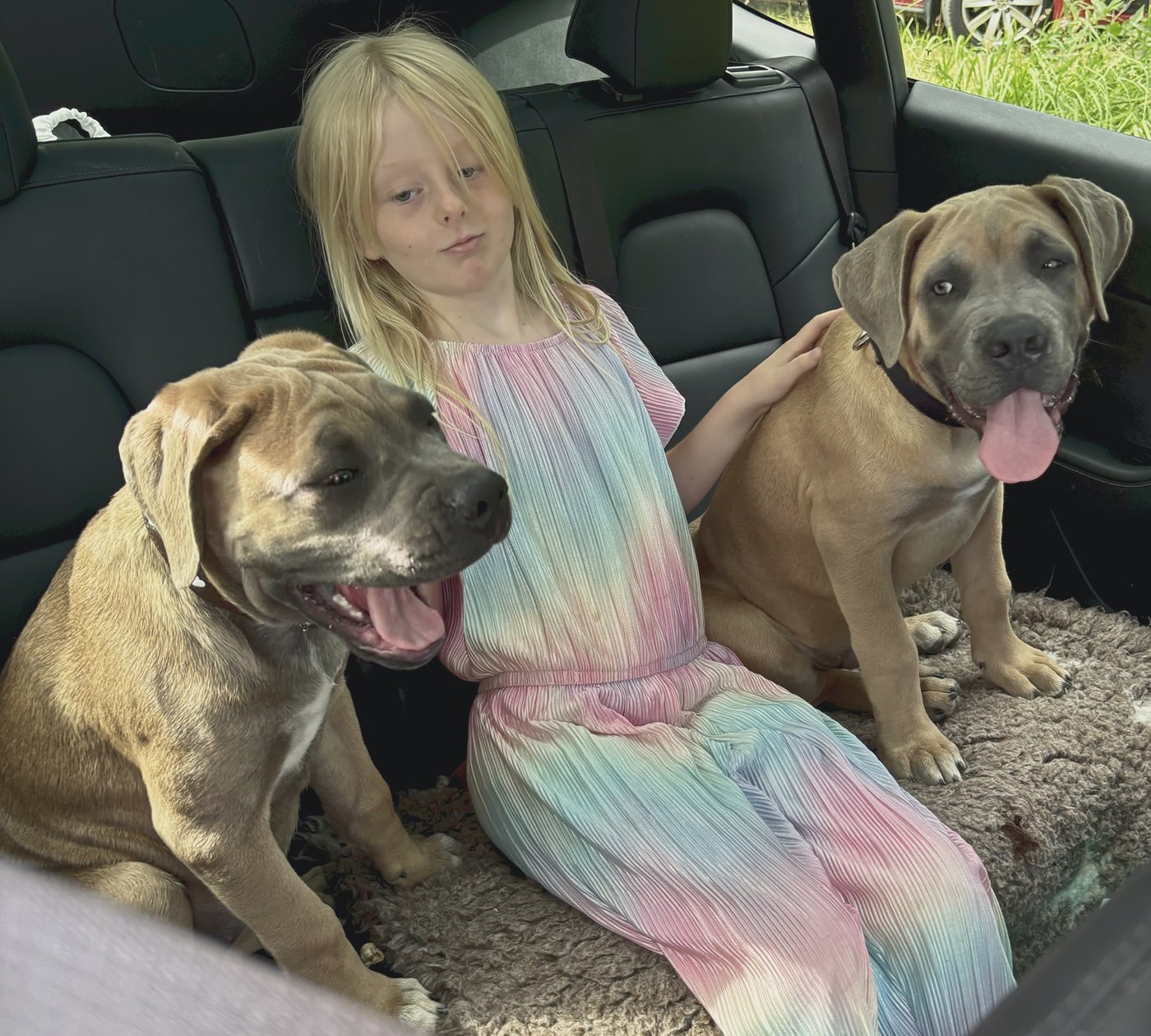
A breeder with ten litters behind them may have sixty dogs alive in other homes. If three need to come back in the same month, where do they go? Plan for it before it happens: a spare crate and space you could use, a realistic view of how many returned dogs your household can absorb, and a named backup — a breed club rescue, a trusted breeder, a foster home you have used before. The American Kennel Club’s rehoming guidance points owners to local breed clubs and national breed club rescue networks for exactly this reason: volunteers experienced with the breed can often step in.
Help does not always mean taking the dog. Sometimes the right support is helping the owner find and vet the next home directly, with you in the loop, so the dog moves once rather than twice. What matters is that the dog does not disappear from your records.
When a dog comes back
Treat a returned dog as a new arrival rather than a homecoming. It may have been away for years, and your household, your other dogs and your biosecurity have all moved on. Start with a veterinary check and keep it separate from your other dogs until you know its health and vaccination status; the principles are in hygiene, quarantine and disease control. Then take the time to find out who the dog is now — how it copes with other dogs, strangers, children, being alone, being handled — because it may be quite different from the puppy you remember.
Treat every returned dog as unknown until a veterinarian has checked it. Keep it apart from your other dogs, and above all from puppies and unvaccinated litters, until its health and vaccination status are confirmed. Some infections, such as parvovirus, can be shed before a dog looks ill, and can survive indoors for weeks or months. Studies of relinquished dogs also show that owners often underestimate behavior problems when they give a dog up, so watch the dog yourself for a week or two before you decide on its next home.
Record what you learn. A return is follow-up data: why the placement ended, what the dog’s health and behavior are like at this age, and whether anything points back to the litter or the combination. That feeds directly into collecting health and longevity data.
In practice
A four-year-old dog comes back after its owner’s divorce. The breeder had it down as an easy puppy, and it arrives anxious, reactive to other dogs on leash and unused to being left. Rather than rehome it quickly to the first family on the waiting list, the breeder keeps it for six weeks, has it seen by a veterinarian and works with a qualified behavior professional. The eventual home is a quiet couple with no other dogs, told everything in writing — and the breeder adds a line about leash reactivity to the file on that combination.
(Illustrative, composite scenario.)
Rehoming on honest terms
The next home must be chosen at least as carefully as the first, and told everything. The American Kennel Club’s rehoming guidance puts it directly: new homes or rescue groups should know everything about how the dog responds to crating, other dogs, cats and other situations, and if a dog has bitten a person or another animal, the bite history must be disclosed in full. Write it down and keep a signed copy.
Some dogs should not be rehomed quickly, and some need specialist input before any decision. A dog with a bite history, significant fear or a medical condition is a matter for a veterinarian and a qualified behavior professional, not for the next person on the list. Taking the dog back gives you the chance to make that decision properly — which is, in the end, what the clause was for.
If a dog has bitten, or shows serious fear or aggression, have it assessed by your veterinarian, and ask for a referral to a veterinary behaviorist if needed. Veterinary guidelines advise against sending aggression cases only to a trainer, and against punishment, which raises the risk of bites. Sometimes the honest conclusion is that a dog cannot safely be placed. That is a decision to make with your veterinarian, not alone.
When to call your vet or a veterinary behaviorist
- As soon as a dog comes back to you: book a health check before it mixes with your other dogs.
- If the returned dog has vomiting, diarrhea (especially bloody), coughing, nasal discharge or fever: keep it isolated and call.
- If its vaccination or parasite-control history is unknown or out of date.
- If it has bitten, or growls or snaps when handled: ask about a referral to a veterinary behaviorist.
- If it shows marked fear, can’t settle, or isn’t eating in its first days back.
- If in doubt, call — your vet would rather hear from you early.
Work on it
A few minutes here will teach you more than re-reading the article.
Ask yourself
- How many dogs I have bred are alive today, and how many could I realistically take back in the same month?
- Does my contract say what happens if I cannot take a dog back myself — and does the person or organization named know they are named?
- When I last rehomed a returned dog, did the new home receive everything I knew about it, in writing?
Find out & check
- Find out whether your national or regional breed club runs a rescue or rehoming service, what it asks of breeders, and whether you could name it as your fallback.
Do one thing
- Write a one-page returns plan today: where a returned dog would sleep tonight, who would check it, who your backup is, and what the new home must be told.
Was this article helpful?
Anonymous. We do not store your name, email or IP address.
Sources & further reading
- American Kennel Club — Everything You Need to Know About Breeder Contracts. akc.org
- American Kennel Club — Rehoming a Dog Responsibly: What to Know. akc.org
- The Royal Kennel Club — The Royal Kennel Club code of ethics. royalkennelclub.com
- Dogs Australia — Code of Practice (July 2023). dogsaustralia.org.au
- American Veterinary Society of Animal Behavior — Position Statement on Puppy Socialization (2008). avsab.org
- Powell L, et al. (2021), Frontiers in Veterinary Science — Relinquishing Owners Underestimate Their Dog’s Behavioral Problems. pmc.ncbi.nlm.nih.gov
- American Animal Hospital Association — 2015 AAHA Canine and Feline Behavior Management Guidelines. aaha.org
- Merck Veterinary Manual — Canine Parvovirus. merckvetmanual.com
Where evidence is limited, recommendations rest on established practice and expert judgment, and may be updated as knowledge develops. Whether a return or first-refusal clause can be enforced differs between countries. This is general information, not legal or financial advice: requirements differ between countries and change over time — have your own documents reviewed by a qualified professional in your jurisdiction.
Next steps
- Read next: Staying in contact with puppy buyers.
- Related: Sales contracts and consumer law · When a buyer wants to give a dog back: the first conversation.
- Return to the area hub: From first inquiry to settled puppy.