Behavior, Development & Enrichment
Brain and behavioral development, socialization, habituation, and early learning.
-
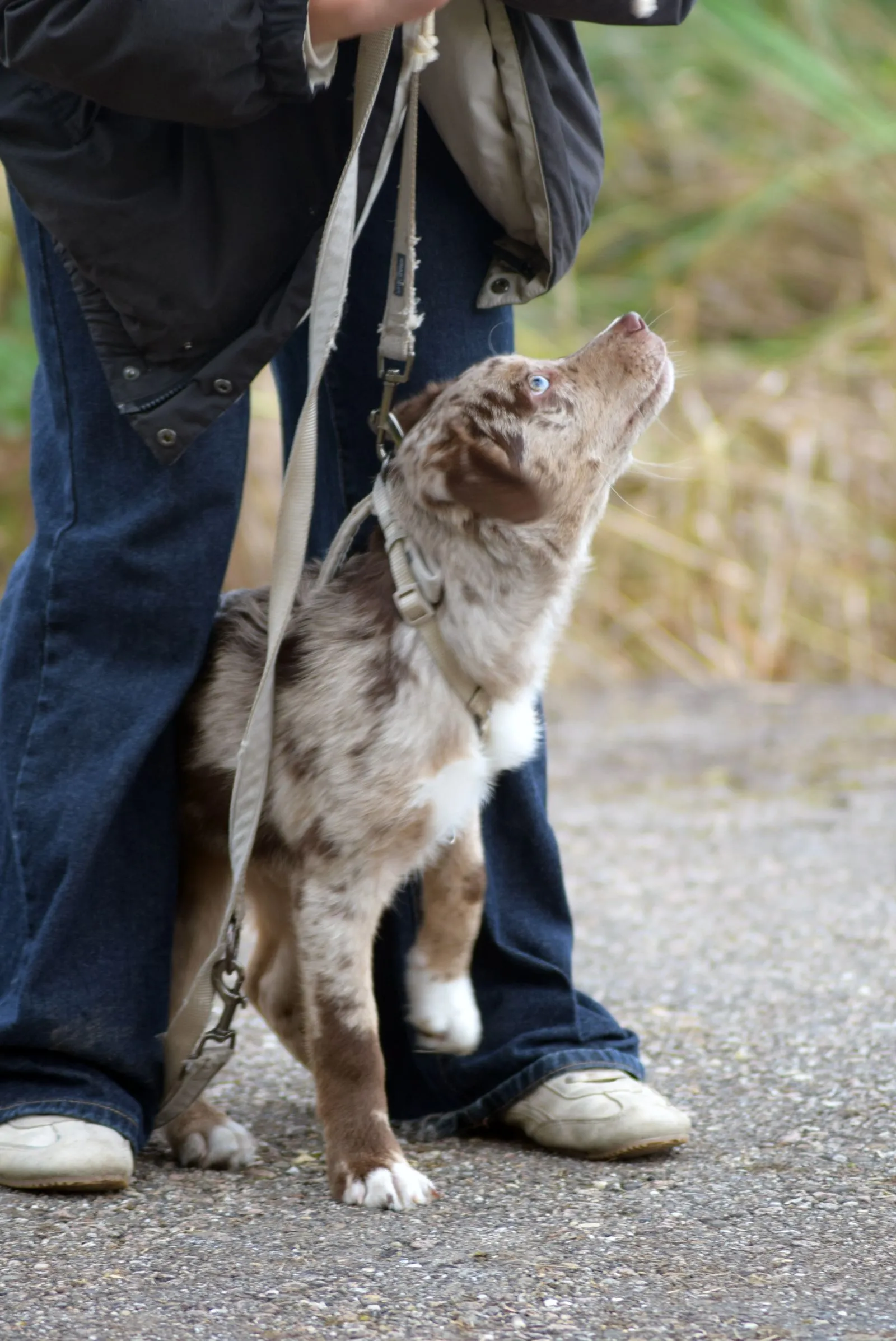
Age-appropriate activity and exercise
New owners ask how far they can walk the puppy. The more useful question is how much of its activity the puppy chooses for itself, while the skeleton is still growing.
-
Enrichment and environmental design
Enrichment is environmental design, not a box of toys. Novelty rotated rather than accumulated, surfaces and levels, food-based problem solving, and the sleep it all depends on.
-
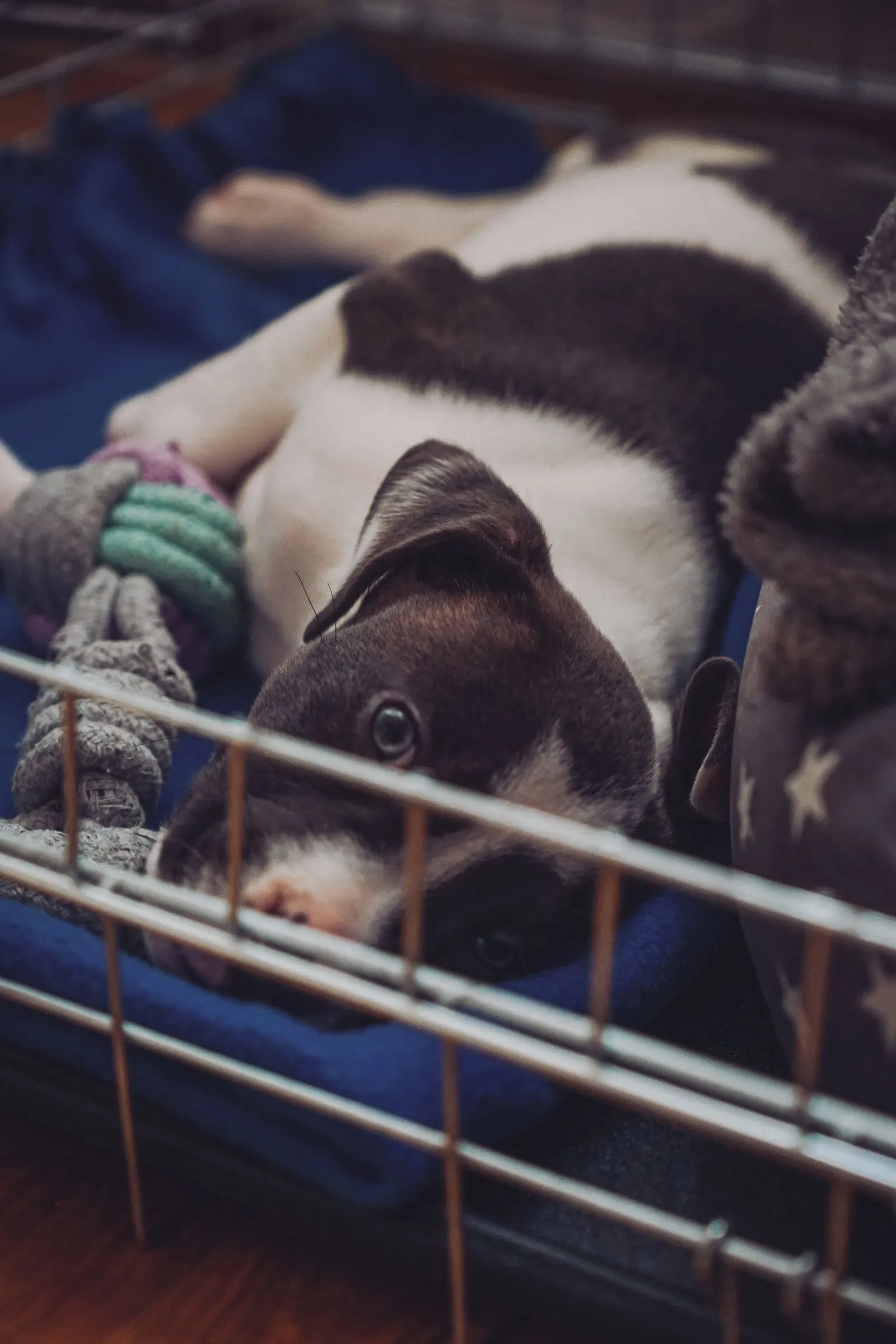
Crate, travel and short separations
Brief, positive separations and a few short car journeys before collection day change the first nights in a new home. The crate as a resting place rather than a container.
-
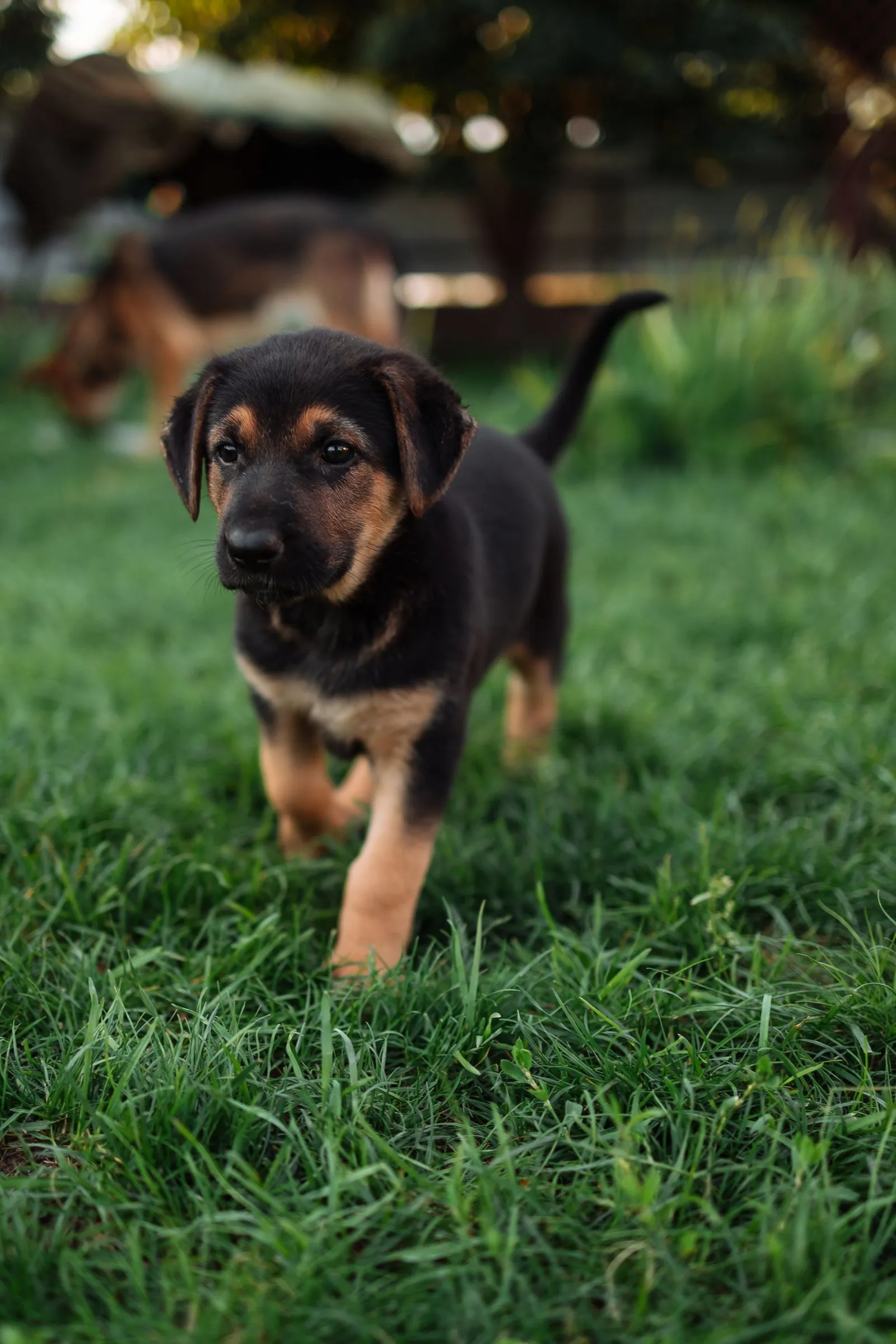
House-training and daily routines
House-training is usually described as something new owners do in their first two weeks, which is the wrong end of it. By eight weeks a puppy already has a habit, and you gave it.
-
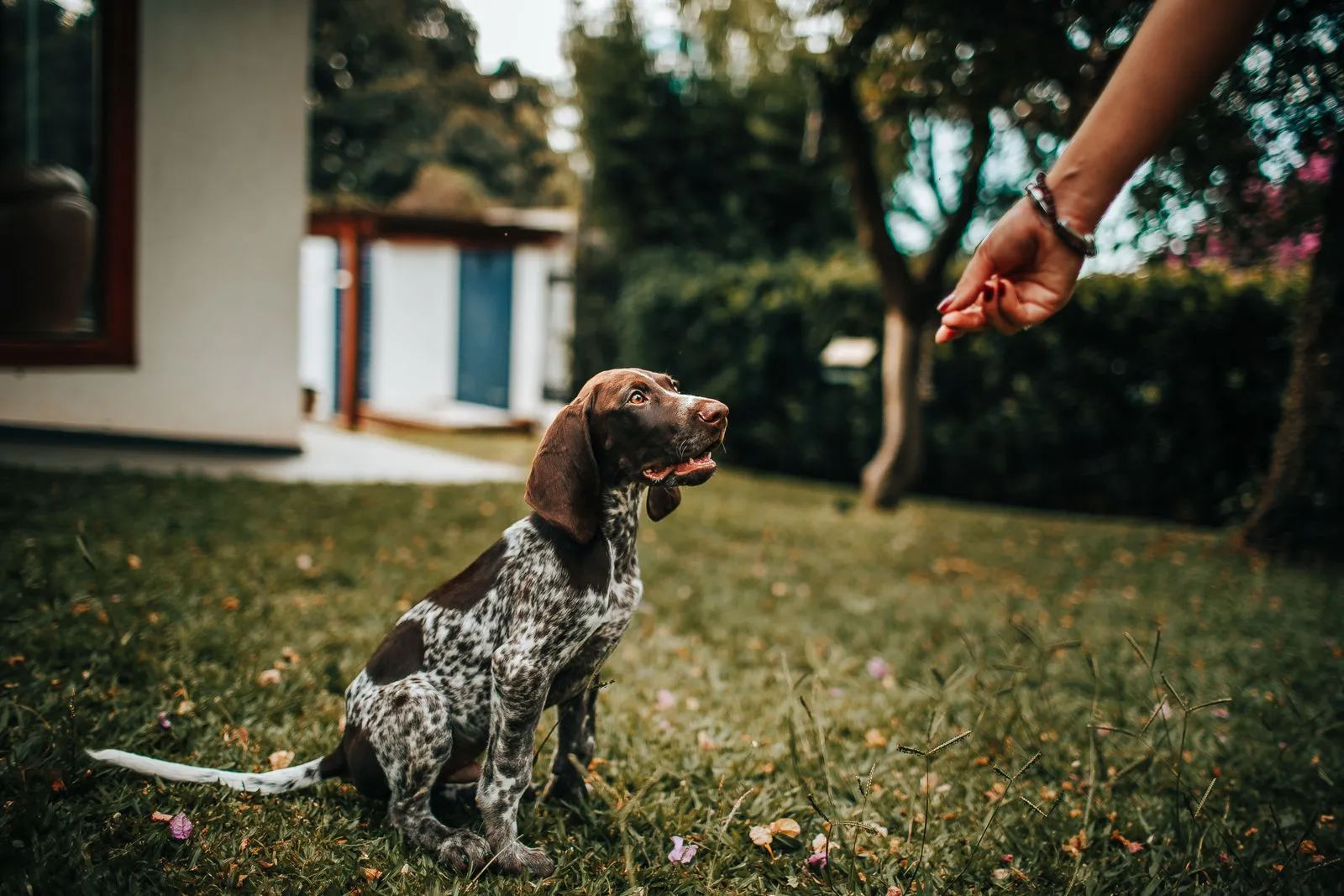
Early learning and a puppy’s first training
A puppy does not start learning when it starts classes at four months. The only question for a breeder is whether the first weeks were arranged on purpose.
-
Frustration tolerance and problem-solving
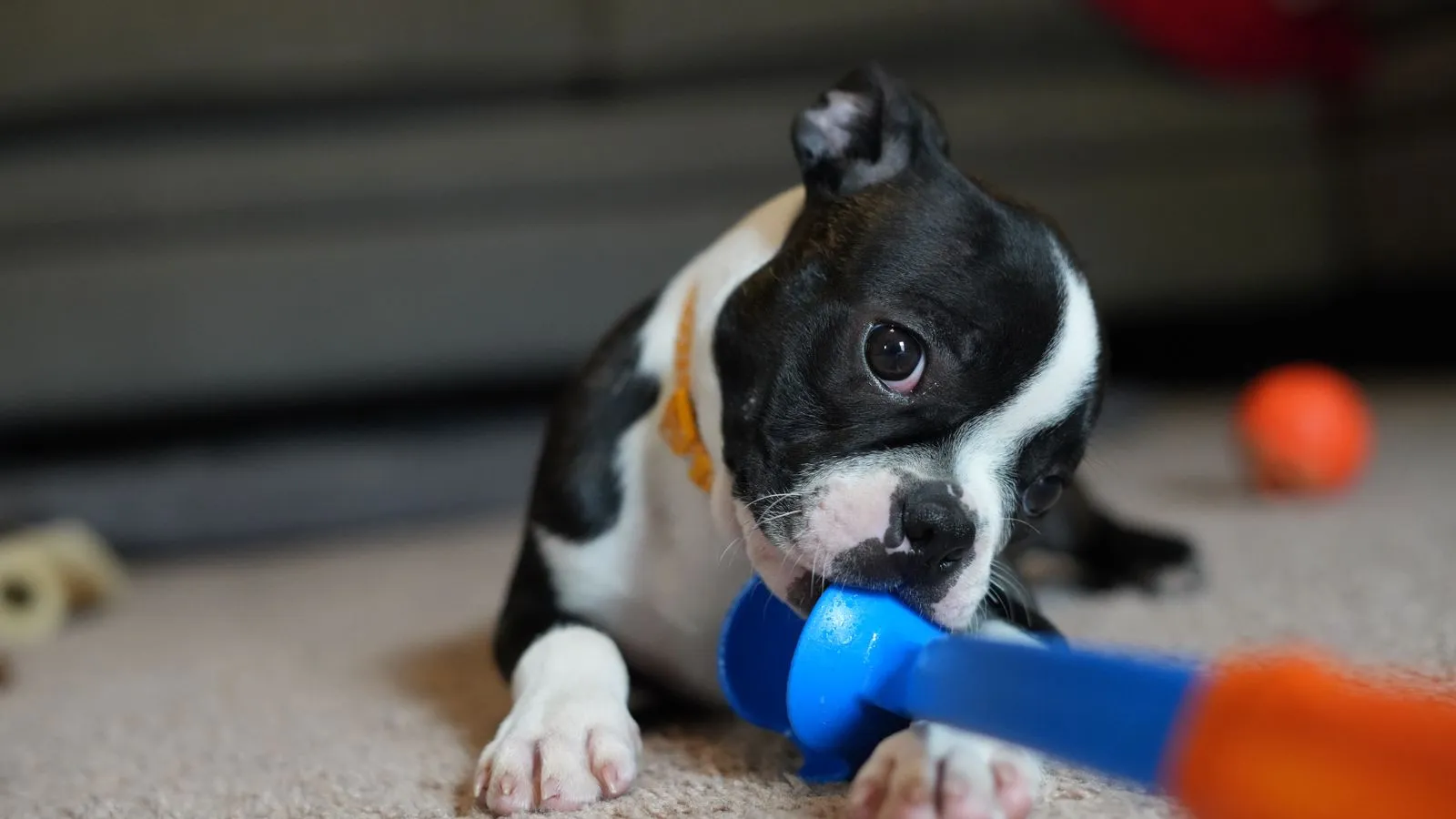
A puppy raised where nothing is ever slightly difficult goes home with no experience of persisting. Everything here turns on the difference between a problem it can solve and one it cannot.
-
Fear, recovery and building resilience
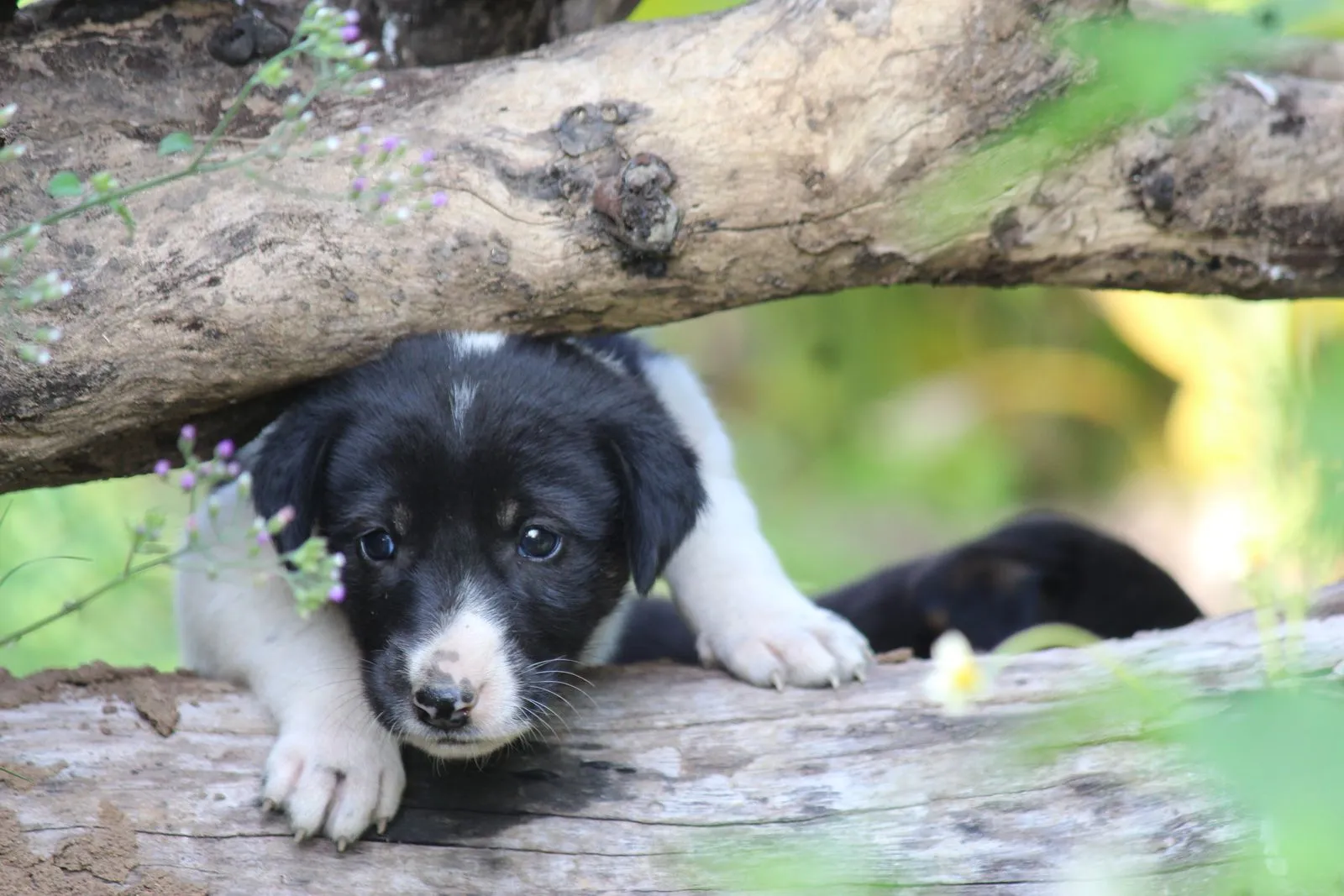
The aim is not a puppy that never startles — startling is a functioning nervous system — but a puppy that startles, checks and goes back to what it was doing.
-
Play and social communication between puppies
Play between littermates looks like the part of the day you are not needed for, and it is the richest piece of behavioral education in the litter.
-
Handling and body-handling exercises
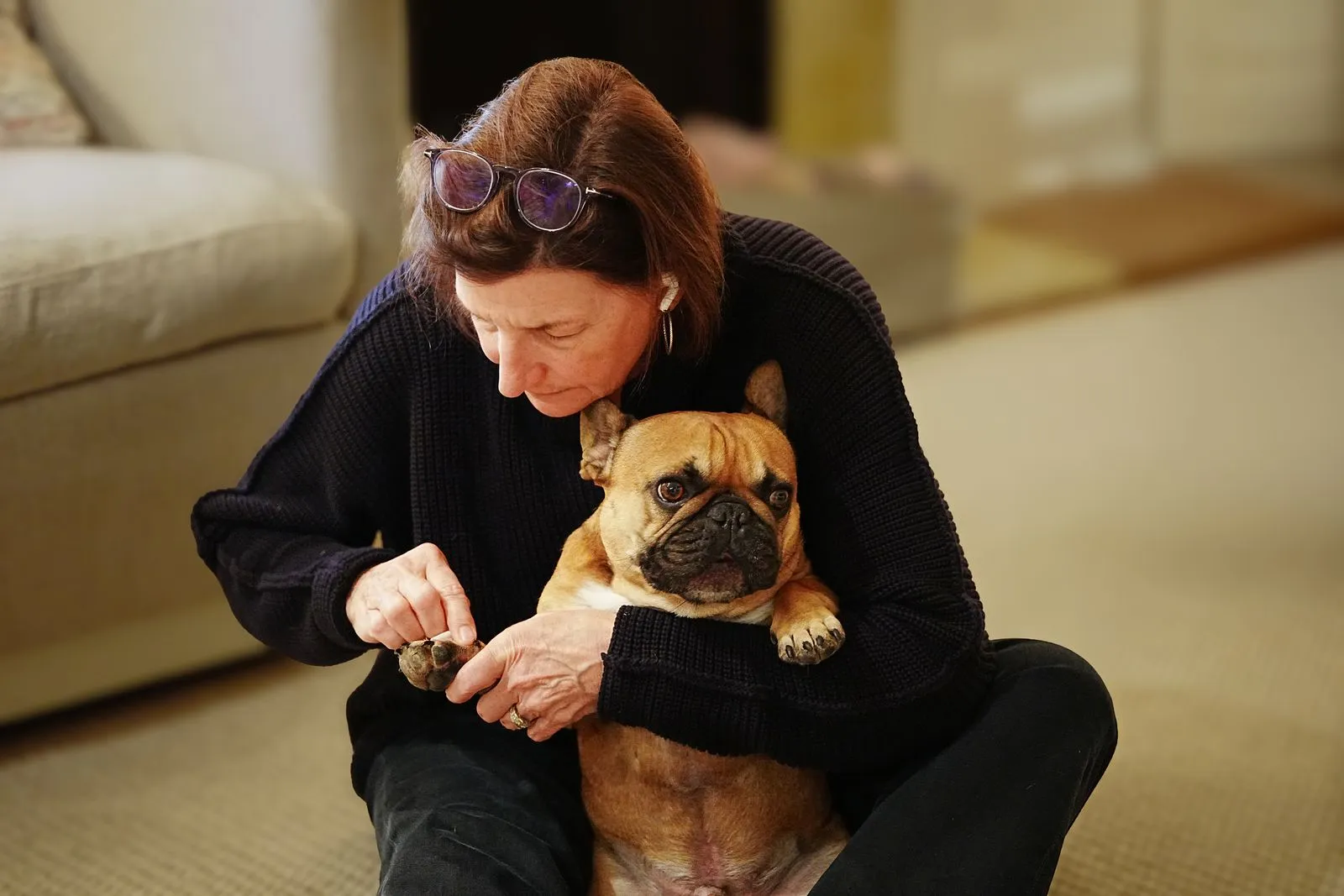
Every dog you breed will spend its life having its feet held and its mouth opened by people it has just met. The weeks in your house are when that becomes unremarkable or frightening.
-
Habituation and environmental exposure
Habituation is the quieter half of early behavioral work — the process by which a vacuum cleaner or a tiled floor stops being an event — and the half most easily ruined by doing too much, too soon.
-
Socialization checklist
A working record for the breeder’s weeks of the socialization window, built so that what gets written down is how each puppy responded, not just that it happened.
-
Socialization: the breeder’s most important behavioral work
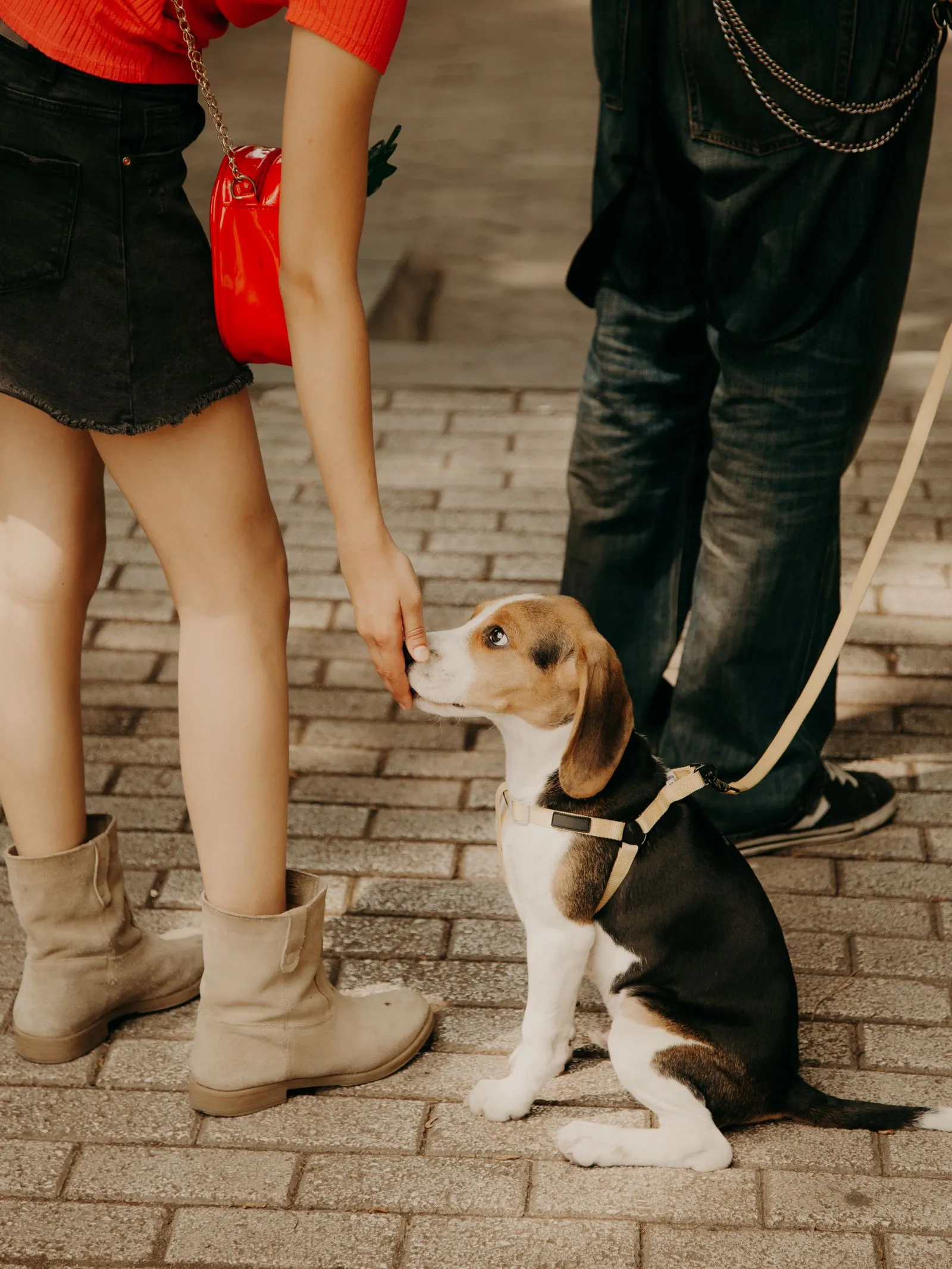
Socialization is the one part of a puppy’s development that cannot be rescheduled. What it is, what it is not, and why quality decides the outcome rather than volume.
-
Critical developmental periods and windows
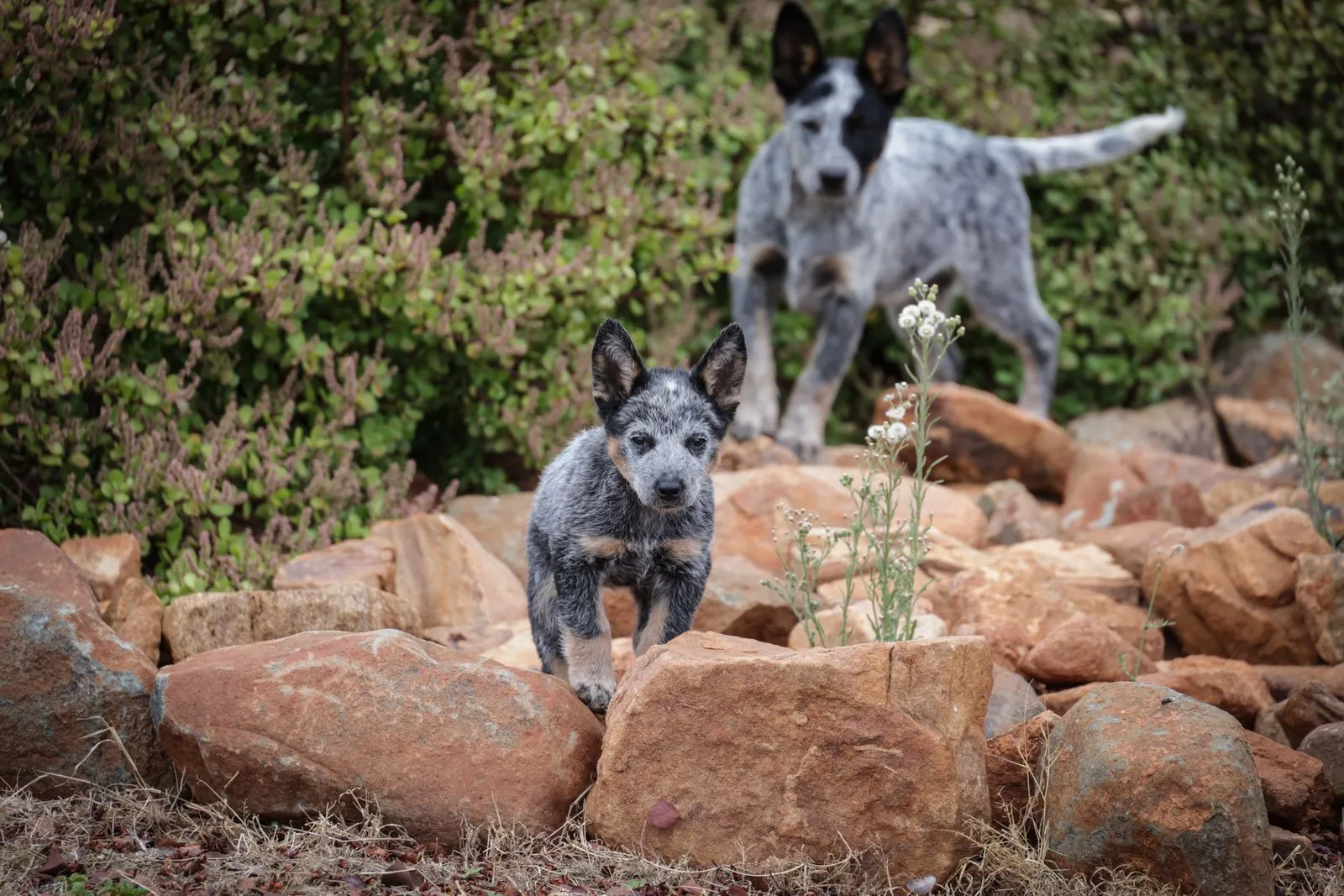
Socialization has a deadline and worming does not, because a puppy’s willingness to accept novelty rises, peaks and declines on a schedule you can plan around but cannot postpone.
-

How the puppy brain and behavior develop
A newborn puppy cannot see, hear or walk, which makes the first two weeks look like maintenance. The nervous system doing the learning is already running.
-
Behavior and development: raising confident, resilient puppies
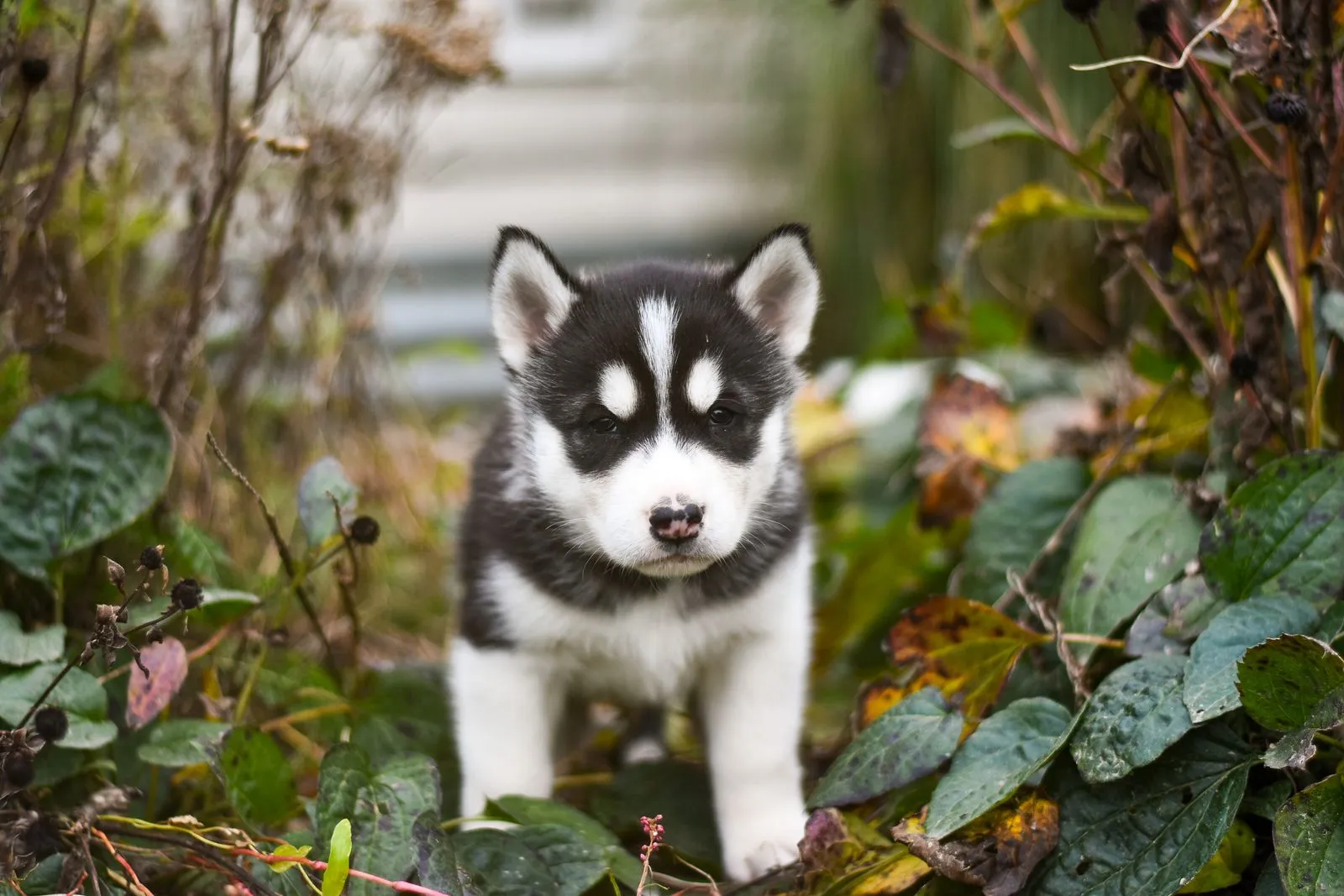
Almost everything a puppy learns most easily about people, surfaces, sounds and other dogs is learned inside a window that is already closing when it leaves you. This area is about using the half you hold.
Find your way in
Where are you right now?
Find your way in
Where are you right now?
Find your way in
Where are you right now?
Find your way in
Where are you right now?
Find your way in
Where are you right now?
Find your way in