DNA testing has become one of the most useful tools a breeder has — and one of the most over-trusted. A clear result on a health panel doesn’t mean a “healthy dog”; it means a specific mutation, at a specific gene, wasn’t found. This guide is about using DNA tests for what they actually do, and not asking them to answer questions they can’t.
The most important first
- Each DNA test checks for a specific, known mutation — not general health.
- A “clear” result means that mutation wasn’t found, not that the dog is free of all genetic risk.
- Tests are most powerful for well-understood single-gene conditions.
- Choose tests based on what’s actually relevant to your breed, not every test available.
- DNA testing complements, but doesn’t replace, physical health screening.
What a DNA health test actually measures
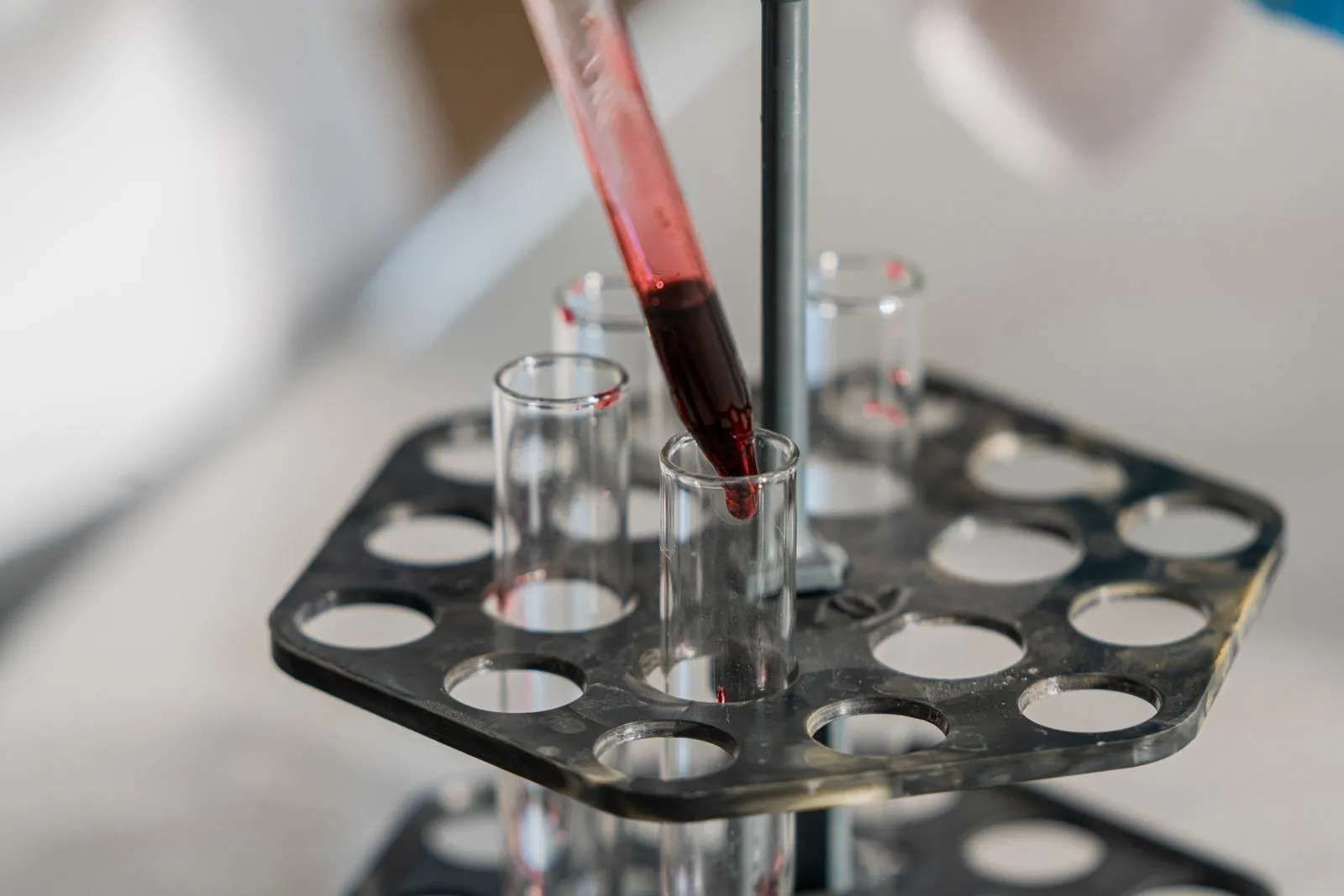
A DNA test for a specific inherited disease looks for one particular, already-identified mutation at one particular gene. When a lab reports a dog as “clear,” it means that specific mutation wasn’t detected — it says nothing about the thousands of other genes, or about polygenic conditions the test was never designed to catch. This is why a dog can be “DNA clear” on every test its breed offers and still develop an unrelated hereditary or polygenic condition: the tests are narrow and specific by design, not a general health certificate.
Most tests are direct: they read the disease-causing change itself. Some older tests are linkage tests, which read a marker sitting near the mutation; these can misclassify dogs, so check which type your lab uses. A variant is only meaningful in the breeds where it has been shown to cause disease — the same gene can carry different mutations in different breeds.
In practice
A puppy buyer sees “DNA health tested” in an ad and assumes it means the puppy is guaranteed free of hereditary disease. The breeder has tested for the handful of specific mutations known in the breed — a real and valuable step — but hip dysplasia, many heart conditions and many other issues aren’t detectable by any DNA test. Being clear about exactly what was tested protects both the buyer’s expectations and the breeder’s credibility.
(Illustrative, composite scenario.)
Choosing which tests actually matter
Commercial panels can screen for dozens or hundreds of mutations, most of which may be irrelevant to a given breed — found mainly or only in other breeds, or so rare in the tested population that a result carries little practical weight. The useful approach is to test for the conditions your national breed club, kennel club or veterinary genetics laboratory actually recommends for your breed, based on documented prevalence, rather than testing everything a panel offers and being either alarmed or reassured by irrelevant results. Breed-specific guidance — from the Kennel Club, FCI member clubs, or university veterinary genetics laboratories — is the right starting point.
Large panels test hundreds of variants, but in a study of more than a million dogs, about 40 variants accounted for nearly all findings. Start with your breed club’s or kennel club’s recommended list, and talk through unexpected results with your veterinarian before changing breeding or medical plans.
Choosing a laboratory
Genetic testing for dogs is not regulated the way human testing is. Look for labs with recognized accreditation (such as ISO standards) and published validation for your breed. Being listed by a registry is not, by itself, a guarantee of accuracy. Collect samples carefully and label them clearly — a mix-up gives a confident but wrong answer.
Parentage and identity testing
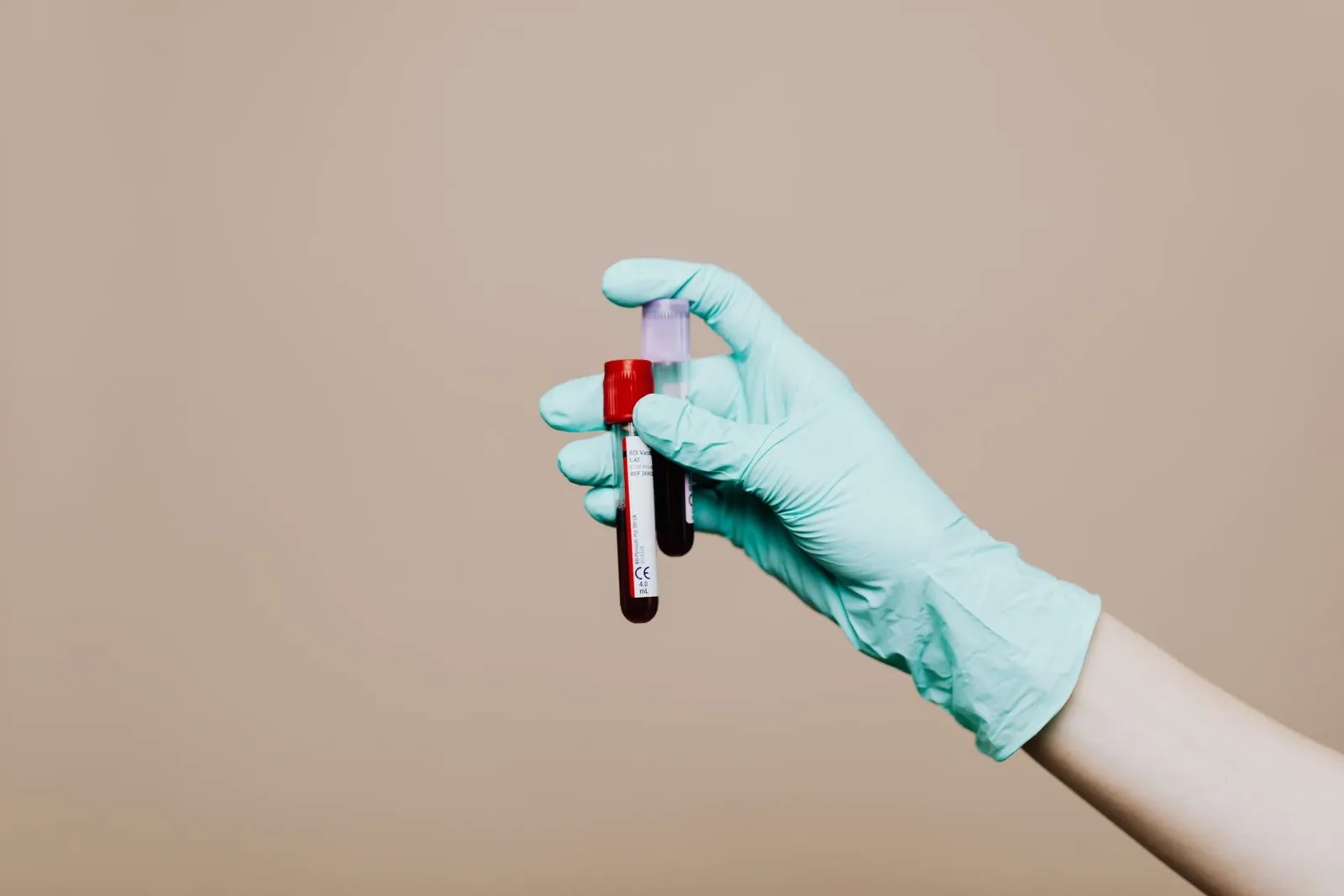
Alongside disease testing, DNA is also used to confirm parentage and identity — verifying that a litter’s registered sire and dam are genuinely correct. This matters most where natural mating can’t be directly witnessed, where multiple sires are possible, or where registries require it. It’s a different use of the same underlying technology: confirming who a dog’s parents are, rather than what it might pass on. A registry DNA profile confirms parentage but carries no health information, and every health result is only as good as correct sampling and verified parentage — which matters especially with artificial insemination, shipped semen or more than one possible sire.
Talk to your vet when planning: ask which tests your vet and breed club recommend, and get any dog with signs of an inherited condition examined before breeding.
Work on it
A few minutes here will teach you more than re-reading the article.
Ask yourself
- Do I know exactly which mutations each DNA test I use actually screens for?
- Am I testing for conditions genuinely relevant to my breed, or everything a panel offers?
- Could I accurately explain to a puppy buyer what “DNA health tested” does and doesn’t mean?
Find out & check
- Find out which DNA tests your breed club or national kennel club actually recommends for your breed.
- Check the exact wording of a recent DNA test report you have and confirm you understand precisely what it does and doesn’t cover.
Do one thing
- Write a short, accurate sentence you can use with puppy buyers to explain what your DNA testing does and doesn’t guarantee.
Was this article helpful?
Anonymous. We do not store your name, email or IP address.
Sources & further reading
- American Kennel Club — DNA Health Testing Considerations. akc.org
- UC Davis School of Veterinary Medicine — What Genetic Testing Can and Can’t Tell You About Your Pet. synergy.vetmed.ucdavis.edu
- The Royal Kennel Club — Breeding advice for DNA test results. royalkennelclub.com
- Merck Veterinary Manual — Hip Dysplasia in Dogs. merckvetmanual.com
- American Kennel Club — Clear by Parentage: What Dog Breeders Need to Know. akc.org
- Fédération Cynologique Internationale — International Breeding Strategies. fci.be
- Farrell LL et al. (2015), Canine Genetics and Epidemiology 2:3 — The challenges of pedigree dog health: approaches to combating inherited disease. doi.org
Where evidence is limited, recommendations rest on established practice and expert judgment, and may be updated as knowledge develops.
Next steps
- Read next: Interpreting DNA results: carriers, clears and how to breed with them.
- Related: Genetics for breeders: the essentials · Modes of inheritance · Understanding Canine Genetics: A Beginner’s Guide for Breeders.
- Return to the area hub: Genetics and inherited health.