A per-puppy checklist for assembling what goes home with each puppy — the folder, the food, the familiar scent and the plan for the first weeks — built to be ticked off in the days before handover rather than improvised on the day. For everything else on the day itself, from the signed contract to follow-up and contacts, use the puppy handover checklist.
The most important first
- One pack per puppy, labeled with that puppy’s microchip number, not a litter pack with shared copies.
- The health checks and health records themselves are in the pre-sale health checklist; this list assumes that is complete and adds everything else.
- Anything that must be read before the puppy leaves — above all the contract — goes to the buyer ahead of the day, not only in the pack.
- Anything that cannot be handed over on the day is listed in writing, with the date it will follow.
The folder
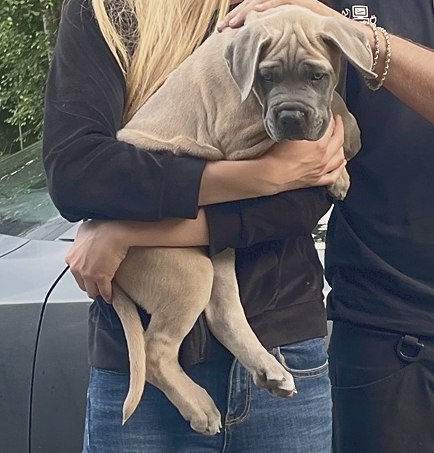
- Cover sheet: puppy’s name, registered name if any, microchip number, date of birth, sex, color, sire and dam
- Signed contract of sale, one copy for each party — see Puppy Purchase Agreement template (coming soon)
- Receipt for every payment, including the deposit, showing the balance as settled
- Health records from the pre-sale health checklist: veterinary check summary, vaccination record, deworming record, next due dates
- Both parents’ health screening results, as copies
- Registration paperwork, or written confirmation of what will follow and by when, with any endorsement or restriction explained
- Microchip database details and instructions for transferring keeper details
- Insurance certificate or cover note, with the start date and the date cover ends
- Weight chart from birth, for the new veterinary practice
- Your contact details, and the times you prefer to be called
Food and feeding
- The current food, enough for at least several days — the Royal Kennel Club suggests a few days or even a week — so any change can be gradual
- A written feeding plan: product, amount per meal, number of meals, times, and how and when to change it
- For toy and small breeds: the exact meal times and amounts, plus one line — “If the puppy skips a meal and seems weak, trembly or unusually sleepy, contact your vet straight away.” Small puppies can run low on blood sugar quickly
- The measuring cup or scoop you have been using, or the weight per meal in grams
- A note on treats and chews: what the puppy has had, and what it has not
- Where to buy the food locally, if it is not widely stocked — see feeding the growing litter
Familiar scent and comfort
- A piece of blanket that has been with the dam and litter for four or five days, sealed in a bag until it is used
- One toy the puppy already knows
- A short note on how the puppy has been sleeping: where, on what, and whether with littermates
Behavior and routine
- The puppy’s completed socialization checklist, with responses rather than ticks
- A one-page summary of this puppy: what it enjoys, what it finds difficult, how it recovers from a fright
- Current toilet routine and substrate, from house-training and daily routines
- Crate and car experience to date, and how long it has been left alone
- Things the new owner should continue exposing the puppy to in the coming weeks
Care and the first weeks
- The next veterinary appointment to book, and what it is for
- Each vaccination given, with the product used and the next due date, and a note that the puppy course usually continues until at least 16 weeks of age and is followed by a booster at about six months or an antibody test, as the owner’s veterinarian decides
- Continuing deworming: dates and product used, and a note to confirm the schedule with their own veterinarian
- A plan for the first night and first week, from the first journey and the first days at home
- Breed-specific care: grooming, exercise limits for a growing dog, known health issues to watch for
- What to do if the puppy is unwell after hours: their own practice’s emergency arrangements, not yours
The relationship
- Your commitment to take the dog back, restated in plain words — see buy-back, returns and rehoming
- When you will be in touch, and what you would like to hear about over the years
- Breed club or owner group contacts, if you recommend them
Final check before it leaves
- Microchip scanned and all 15 digits matched to the cover sheet; registry named, and the buyer told that the chip is only as useful as the contact details behind it, so the record must be transferred and kept up to date
- Every document in the folder, and a copy of each kept for your records
- Anything outstanding listed in writing, with a date
- Buyer has read through the folder with you and confirmed the next due dates and the feeding routine
Using it well
Start the list two weeks out and keep it beside the litter records, not on a notepad by the door. Items that depend on other people — registration papers, insurance activation, the veterinary summary — have the longest lead times, so chase those first. Afterwards, keep a copy of what each pack contained: if a question comes up months later, the answer is often “it was on page three.” The reasoning behind each document is in documents and the puppy pack.
Talk to your vet when planning: confirm which vaccination and deworming are due next, so the puppy pack tells the new owner what to book and when.
Work on it
A few minutes here will teach you more than re-reading the article.
Ask yourself
- Which items on this list have I promised buyers in the past and then sent late, or not at all?
- Would a veterinarian who has never met the puppy find everything they need in my folder?
Find out & check
- Find out what your registry and your jurisdiction require to be handed over at the point of sale, and whether anything — registration papers, a contract, an information pack — must legally be provided on the day.
Do one thing
- Print this list once per puppy for your next litter and label each with a microchip number today.
Was this article helpful?
Anonymous. We do not store your name, email or IP address.
Sources & further reading
- The Royal Kennel Club — What to put in a puppy pack for new owners. royalkennelclub.com
- The Royal Kennel Club — Paperwork from a breeder. royalkennelclub.com
- American Kennel Club — Puppy Socialization and Preparing for New Homes: 8–12 Weeks. akc.org
- American Veterinary Medical Association — Microchips: reunite pets with families. avma.org
- World Small Animal Veterinary Association — WSAVA Guidelines for the Vaccination of Dogs and Cats (2024). wsava.org
- Dogs Australia — Code of Practice (July 2023). dogsaustralia.org.au
- American Kennel Club — Hypoglycemia in Dogs. akc.org
Where evidence is limited, recommendations rest on established practice and expert judgment, and may be updated as knowledge develops. This is general information, not legal or financial advice: requirements differ between countries and change over time — have your own documents reviewed by a qualified professional in your jurisdiction.
Next steps
- Read next: Documents and the puppy pack.
- Related: Pre-sale health checklist.
- Related: Keep it out of reach, a free fridge sheet for new owners (PDF, US Letter) · A4.
- Return to the area hub: From first inquiry to settled puppy.