A snakebite is a true emergency, and the dogs who do best are the ones who reach a veterinarian quickly — so the most useful thing you can do before snake season is know the signs, know where your nearest emergency clinic is and make your yard less inviting to snakes.
The most important first
- Treat any suspected snakebite as an emergency, even if your dog seems to recover. Call your vet or emergency clinic and go.
- Keep your dog calm and still, and carry a small dog if you can.
- Don’t cut the wound, suck out venom, use a tourniquet or apply ice.
- Don’t try to catch or kill the snake. A photo from a safe distance is enough.
- Many bites happen at home. Tidy the yard, and walk your dog on a leash near long grass, bush and water.
Last updated: November 8, 2026
How common is snakebite in dogs?
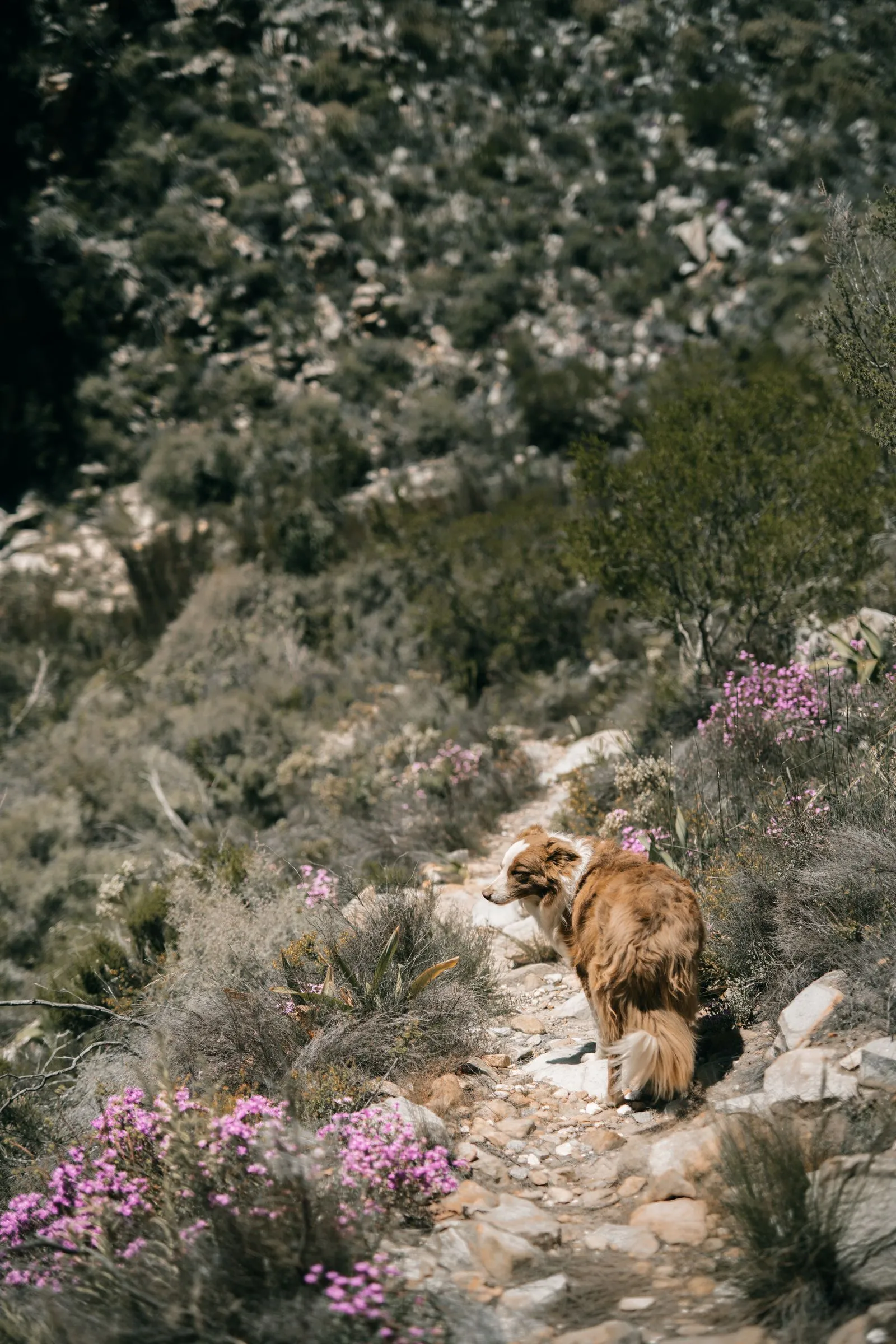
A 2026 review by Migliorisi and colleagues estimates that up to 300,000 animals, mainly dogs and cats, are affected by snakebite each year in the United States alone, and that veterinary treatment can cost from $8,000 to $50,000 per case. Snakebites in animals are not notifiable, so the true number is likely higher.
In Australia, a survey of 19 veterinary hospitals in Queensland by Valenza and colleagues (2021) recorded 230 snake envenomation cases in dogs, an average of 12.1 dogs per clinic per year. In the first season of the University of Melbourne’s SnakeMap project, critical care veterinarians Manu Boller and Kylie Kelers reported that 73% of snakebites in dogs happened in the owners’ backyards.
Which snakes, and what a bite looks like
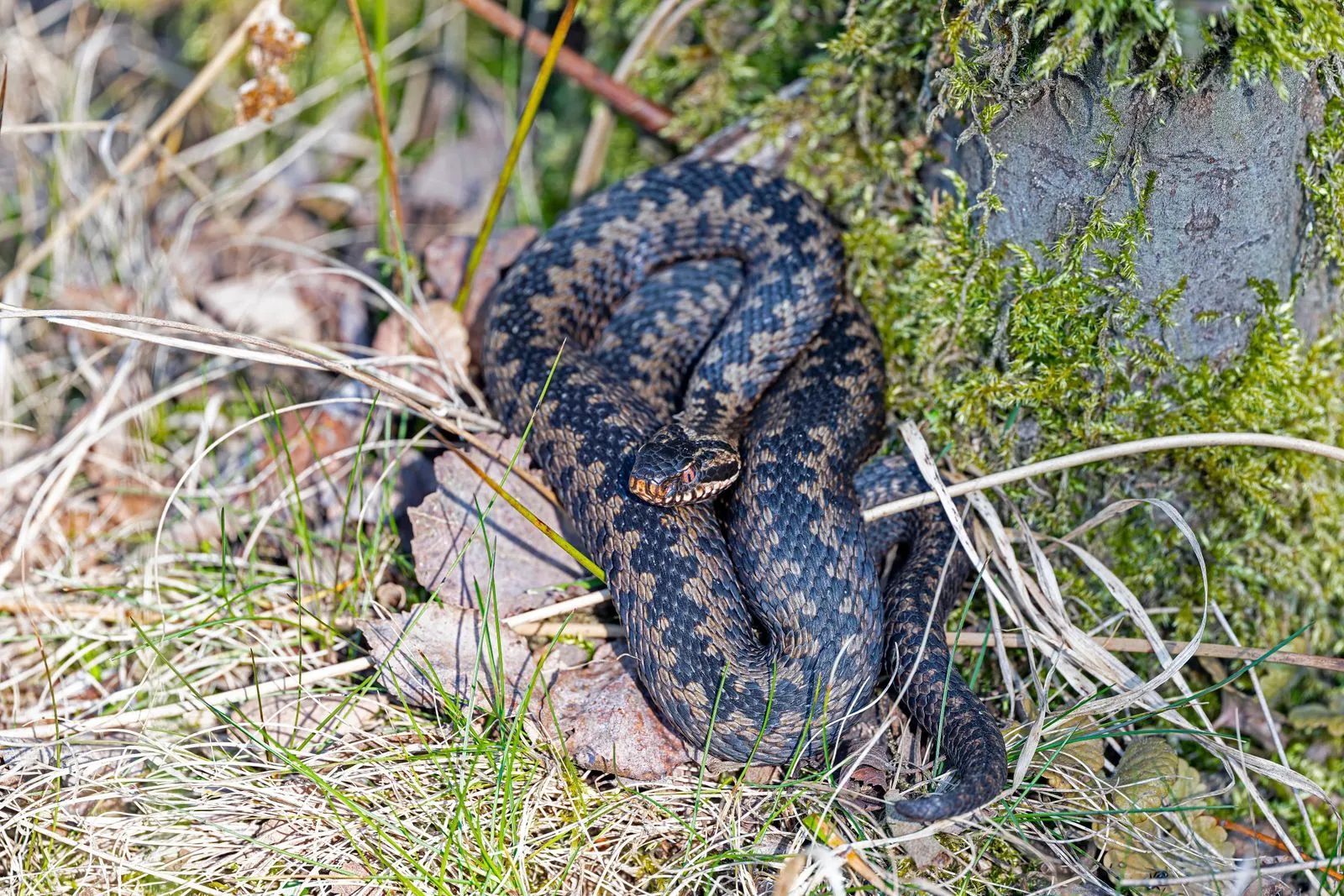
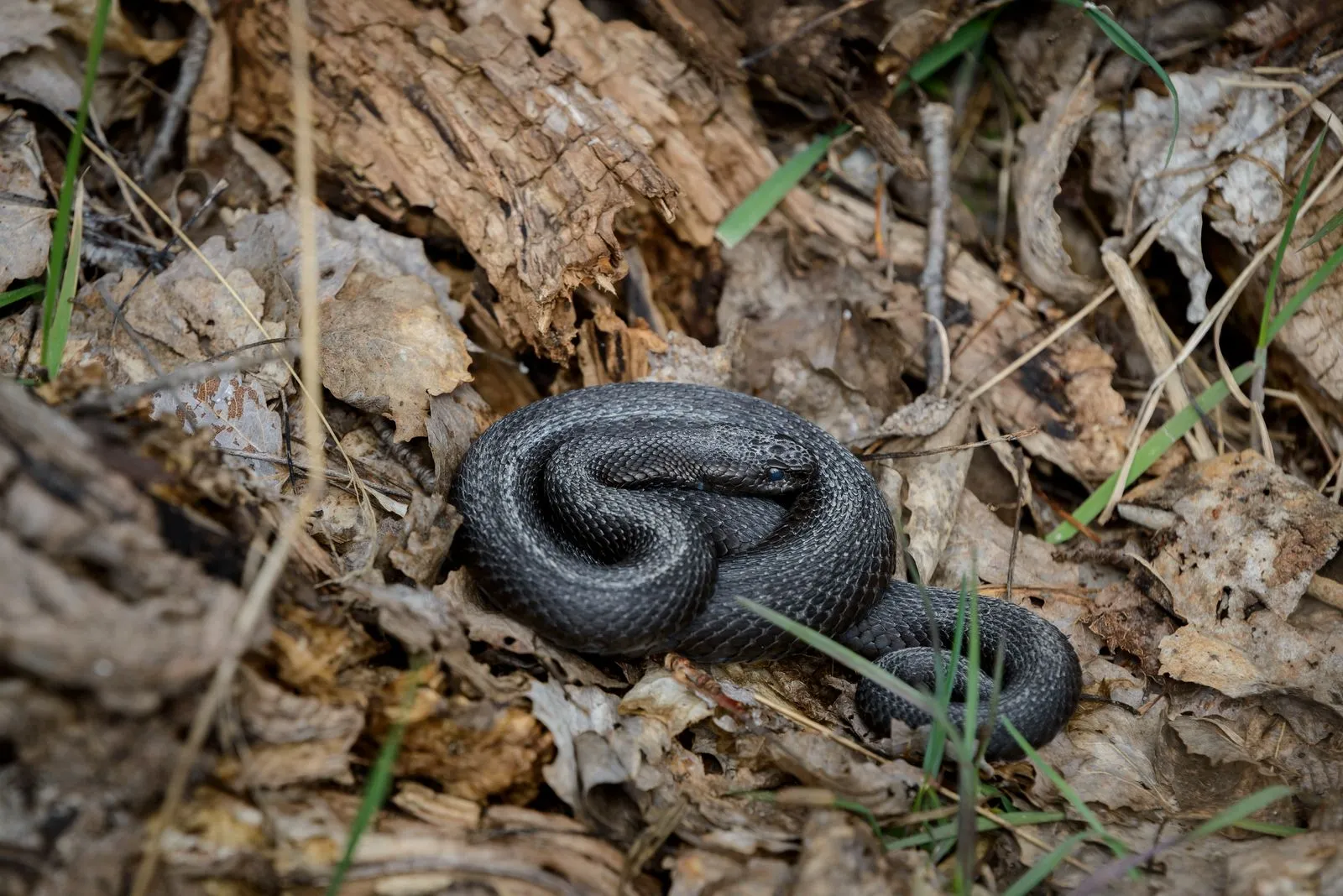
North America. The Merck Veterinary Manual explains that pit vipers — rattlesnakes, cottonmouths and copperheads — cause most bites, while coral snakes are found mainly along the southern edge of the United States. Pit viper bites typically cause rapidly spreading swelling, discoloration and pain at the bite site. Coral snake bites may cause little swelling, but neurological signs such as weakness, drooling, wobbliness and muscle twitching.
Australia. The Australian Veterinary Association (AVA) lists sudden weakness followed by collapse, unexplained bleeding or swelling, reluctance or inability to walk and breathing problems as common signs. The AVA warns that some animals collapse and then seem to recover — but the venom is still working, and other signs often follow within hours.
Because owners often don’t see the bite, the SnakeMap veterinarians advise assuming a bite if your dog suddenly vomits, passes red urine or seems weak, even if no snake was seen.
In practice
A family’s young dog yelps in the backyard on a warm October evening, then wobbles, lies down and seems fine again ten minutes later. They remember their breeder’s advice, carry the dog to the car and call the emergency clinic on the way. The vet finds signs of envenomation and starts treatment straight away.
(Illustrative, composite scenario.)
What to do on the way to the vet
The Merck Veterinary Manual advises keeping the animal quiet and limiting activity, then getting veterinary care promptly. It specifically advises against:
- ice, cold packs or sprays
- cutting the wound or trying suction
- tourniquets, electric shock or hot packs
- waiting to see whether problems develop
- trying to capture the snake
Time matters. The Merck Veterinary Manual notes that antivenom is most effective when given early, ideally within six hours of the bite. In a review of 88 dogs bitten by red-bellied black snakes in Queensland, Wun and colleagues (2022) found that dogs that died had received antivenom later than survivors, among other differences. Most dogs in that study survived; 8% died.
Call ahead so the clinic can prepare — not every practice stocks antivenom, so ask your vet now where your nearest emergency service is.
Lowering the risk
- Tidy up. The AVA advises stacking wood neatly and removing piles of lawn clippings and mulch, since rodents attract snakes.
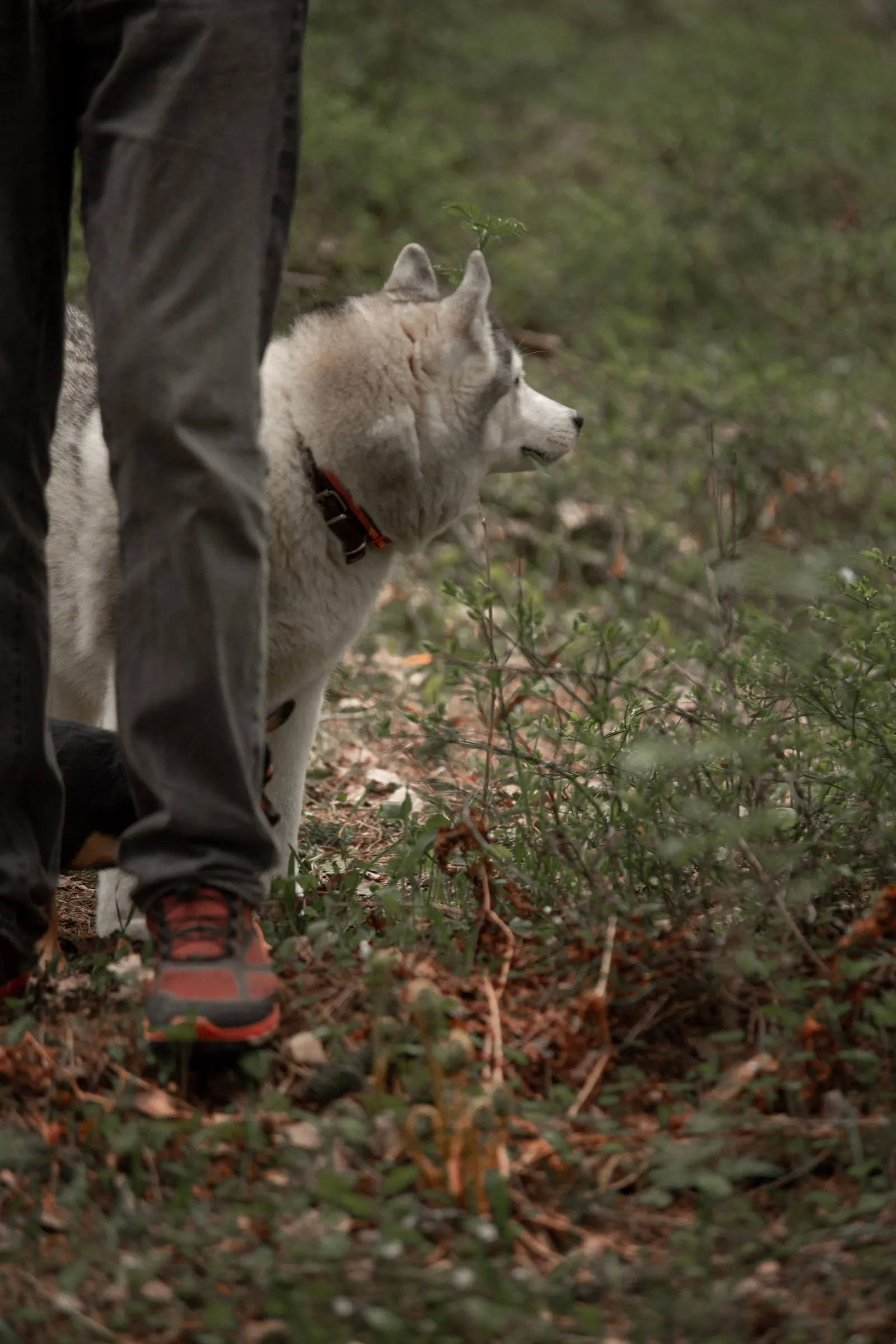
- Leash near snake habitat. Walk your dog on a leash and avoid long grass, bush and waterways, especially in the late afternoon and early evening, when the AVA notes snakes are often active.
- Watch the season. The AVA urges extra care as the weather warms up, when snakes become more active.
- Supervise puppies outdoors. Young dogs investigate everything with their nose.
- Plan ahead. Save your vet’s and emergency clinic’s numbers, and check whether your pet insurance covers snakebite.
When to call your veterinarian
- Any suspected or witnessed snakebite, even if your dog seems normal.
- Sudden weakness, collapse, wobbliness or difficulty breathing.
- Swelling, bleeding or puncture marks on the face or legs.
- Vomiting, drooling, dilated pupils or red or brown urine.
- If in doubt, call — your vet would rather hear from you early.
Work on it
A few minutes here will teach you more than re-reading the article.
Ask yourself
- Do I know where my nearest clinic with antivenom is?
- Is there a woodpile or compost heap near where my dog plays?
- Do I keep my dog on a leash near long grass and water?
Find out & check
- Ask your vet which snakes are common in your area and when.
Do one thing
- Save your emergency clinic’s number in your phone today.
Was this article helpful?
Anonymous. We do not store your name, email or IP address.
Sources & further reading
- Gwaltney-Brant SM, Merck Veterinary Manual (2024) — Snakebites in Animals. merckvetmanual.com
- Migliorisi A, Johnson T, Nelson T, Elane GL, Ueda Y, Hobbs KJ (2026) — Snake envenomation in veterinary medicine: comparative insights and emerging therapies. Frontiers in Veterinary Science 13:1750963. doi.org
- Valenza L, Allavena R, Haworth M, Cochrane J, Henning J (2021) — Diagnosis and Treatment of Snake Envenomation in Dogs in Queensland, Australia. Veterinary Sciences 8:14. doi.org
- Wun MK, Padula AM, Greer RM, Leister EM (2022) — A review of 91 canine and feline red-bellied black snake (Pseudechis porphyriacus) envenomation cases and lessons for improved management. Australian Veterinary Journal 100:318–328. doi.org
- University of Melbourne, Pursuit (2017) — Mapping Australia’s snakebites for pets (Boller M, Kelers K). pursuit.unimelb.edu.au
- Australian Veterinary Association (2017) — Snakes are springing – protect your animals from deadly encounters. vetvoice.com.au
Where evidence is limited, recommendations rest on established practice and expert judgment, and may be updated as knowledge develops. This is general information and does not replace advice from your veterinarian.
Next steps
- Read next: A first aid kit and first aid basics for dog owners.
- Related: Puppy warning signs: when to call the vet.
- Return to the guide: For your puppy buyers.