Understanding how to become a responsible dog breeder starts long before a stud dog or a health test. It begins with a decision about what you owe — to the dogs you breed, to the puppies you send out into the world, and to the breed you are borrowing for a generation. Everything else in this platform, from genetics to whelping to placement, rests on that decision. This guide is the foundation it all stands on, and the map to the rest of the area.
The most important first
- Responsible breeding means maintaining or improving the breed and protecting welfare — not simply producing puppies.
- You take on responsibilities to four groups at once: the dogs, the puppies’ future, the breed, and buyers and society.
- Those responsibilities are lifelong. On this platform, the standard is that a dog you bred can always come back to you (kennel club codes word this differently; some ask you to help with rehoming).
- Doing it well depends on one hard habit: evaluating your own dogs honestly.
- You do not need to master everything today. Start where you are, and build.
On this page
- What It Means to Become a Responsible Dog Breeder
- Who you are responsible to
- The habit that makes it work: honest evaluation
- How the foundation fits together
- Where to start — by where you are
What It Means to Become a Responsible Dog Breeder
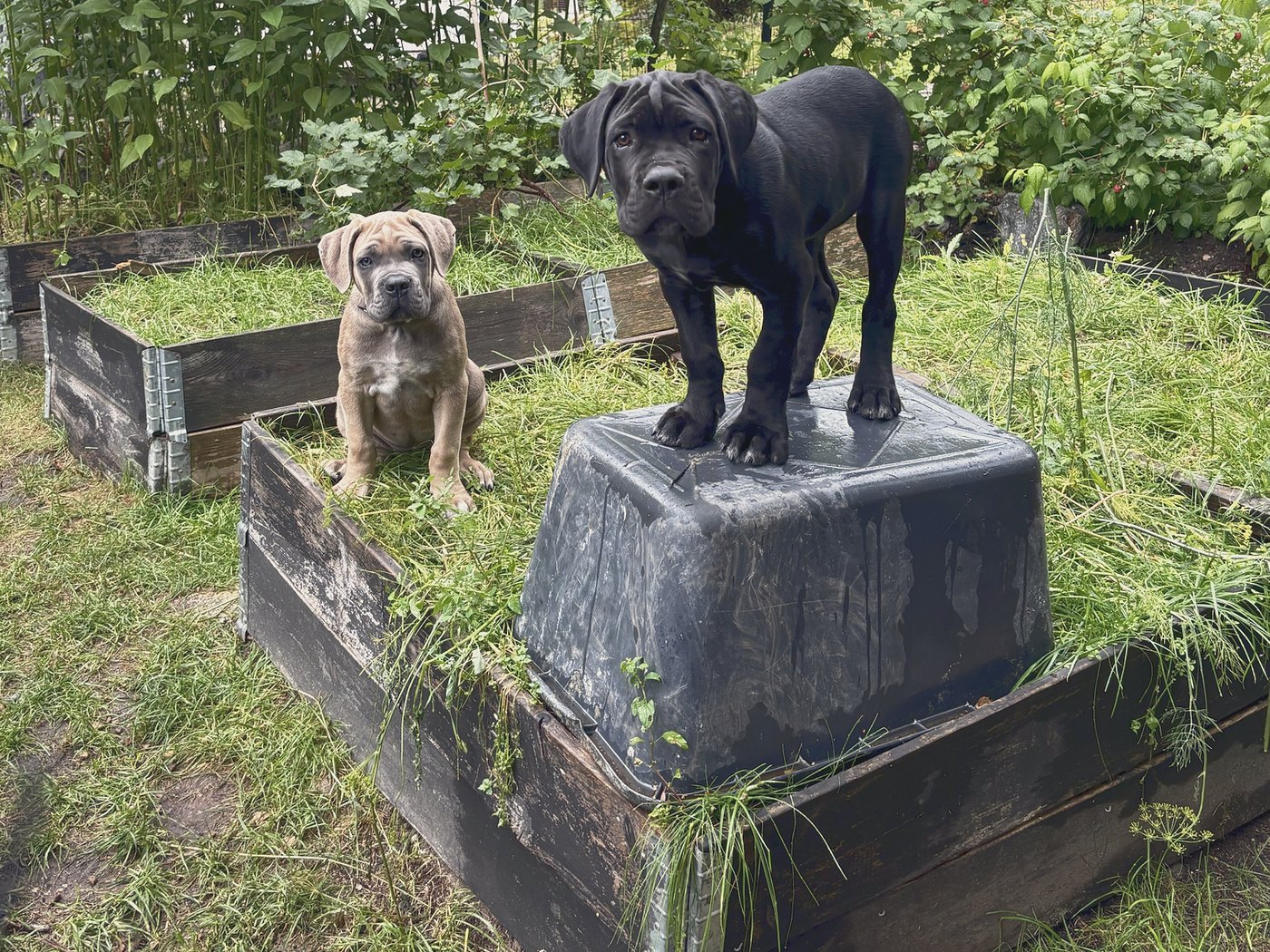
It is worth being precise, because the word gets used loosely. To breed responsibly is to breed only when doing so is likely to maintain or improve the breed, and to do it in a way that safeguards the welfare of every animal involved — the parents, the puppies, and the generations that follow.
That is a higher bar than “the dog is healthy and someone wants a puppy.” It asks a harder question: will this litter leave the breed, and these dogs’ lives, at least as good as it found them? If you cannot answer yes with reasons, the responsible choice is to wait, to learn more, or not to breed this combination at all.
“Improve”, though, is not one fixed target. In a numerically small or vulnerable breed, responsibly maintaining health, temperament and genetic diversity is the goal in itself, not change for its own sake — sometimes the most valuable thing a breeder does is keep a healthy line going. What counts as improvement depends on your breed and where it stands.
And none of this requires perfection. Good breeders make mistakes and meet outcomes they did not plan. What separates responsible breeding from the rest is not a flawless record — it is the intent behind each decision and the honesty to face the results.
Who you are responsible to
You answer to four groups at once, and they rarely pull in the same direction: the dogs you breed, each puppy’s whole future, the breed itself (which outlasts any of your own dogs), and the buyers and wider public who trust how it is done. The next article takes each of these apart in detail — here, what matters is the rule for when they collide.
That rule is simple: the dogs’ wellbeing is the tie-breaker. Put type — how closely a dog matches the breed’s ideal in looks and character — along with demand and titles on one side, and welfare on the other, and welfare wins. That single rule settles most of the hard calls in breeding.
In practice
A bitch is winning well and there is a waiting list for her puppies — but her hip result is borderline and her sire already produced early joint problems in two other dogs. The market says breed her now; the dogs’ future says wait for more information or choose a different combination. Naming the conflict out loud — demand and type on one side, welfare on the other — is what makes the decision, rather than the pressure making it for you.
(Illustrative, composite scenario.)
For the full picture of these four responsibilities, read What responsible breeding actually means: the breeder’s role and lifelong responsibility (A1.1).
Codes of practice put this into writing in different ways. The AKC, UKC, Canadian Kennel Club, The Royal Kennel Club, Dogs Australia and the FCI’s member clubs all ask breeders to breed for health and to stay accountable for the dogs they produce. The wording and the minimums vary, so read the code that applies to you.
The habit that makes it work: honest evaluation
If there is one skill this whole platform is designed to build, it is the ability to look at your own dogs clearly. It is also the hardest, because we are wired to love the animals in front of us.
The technical term for losing that clarity is kennel blindness — the slow drift into seeing your dogs as better than they are, and their faults as smaller than they are. It is not a character flaw; it is the default. What helps is building small habits that push back against it: written goals, outside eyes, health data, and a willingness to say “not this one” about a dog you adore. You will meet this idea again in every area, because almost every good decision downstream depends on it.
Honest evaluation starts with health, not looks. Before you plan a litter, find out which screening tests your breed club recommends. In the US, the OFA’s CHIC program lists them by breed, and other national kennel clubs publish their own lists. Book a pre-breeding check with your veterinarian. A test result tells you what the dog is. Whether that dog belongs in your program is still your call, and you make it with the result in front of you.
In practice
When a breeder buys a young stud dog, they honestly note his real faults — a weak topline (the line of the back) and a straight, weak rear — the kind of thing you breed away from, not toward. Three litters later, those notes have quietly vanished. The dog has not changed; their eye has adjusted to him. It often takes an outside comment — a mentor, a judge, a co-breeder — before the drift becomes visible again.
(Illustrative, composite scenario.)
How the foundation fits together
This area breaks the foundation into seven topics. They are worth reading roughly in order, because each one sets up the next.
You start with the breeder’s role and lifelong responsibility, then the ethics and welfare principles that guide every trade-off. From there you look at breed purpose and function — why your breed exists and what it should be able to do — followed by the anatomy and physiology you will need to make sense of health, reproduction and whelping later. Then come the practical foundations: housing, husbandry and quality of life for your dogs, the laws, regulations and organizations you work within, and finally building your own competence — because responsible breeding is a practice you keep getting better at, not a box you tick once.
Together, these are the ground the rest of the platform is built on. When a later decision feels hard — which combination, which puppy to keep, when to call the vet — it usually traces back to one of these seven.
Where to start — by where you are
If you are completely new, read this area top to bottom, then begin the Responsible Breeder Pathway in the Academy. There is no need to rush toward genetics and reproduction; the foundation is what makes those make sense.
If you are experienced, treat this area as a calibration. You will know most of it — but the sections on honest evaluation and welfare are worth revisiting, because they are exactly the parts that quietly erode over years of breeding the dogs you love.
Either way, the idea to carry into everything else is a small reframe: you are not producing puppies, you are taking responsibility for lives and for a breed. Most of the harder decisions get clearer from there.
Talk to your vet when planning: before you plan any litter, book a pre-breeding exam, ask which health screening your breed needs, and discuss any borderline or unclear result.
Work on it
A few minutes here will teach you more than re-reading the article.
Ask yourself
- In one honest sentence, what would I want my breeding to protect or improve in this breed — and why that?
- Of the four responsibilities — to the dogs, to each puppy’s future, to the breed, and to buyers and society — which is hardest for me to hold, and in what situations?
- Where might kennel blindness already be shaping how I see my own dogs?
Find out & check
- Locate your national (and, if relevant, international) kennel club’s code of ethics and breeding rules, and read the parts that apply to you.
- Find out which health and functional priorities matter most in your specific breed — the concrete meaning of “improve or maintain” for you.
- Check whether you have a written take-back commitment. If not, mark it as something to create.
Do one thing
- Write a rough first draft of your breeding purpose, in a few sentences. You will refine it in Area 2 — but start it now, imperfect and honest.
Was this article helpful?
Anonymous. We do not store your name, email or IP address.
Sources & further reading
- Fédération Cynologique Internationale — International Breeding Rules of the FCI. https://www.fci.be/medias/ELE-REG-en-15497.pdf
- Fédération Cynologique Internationale — International Breeding Strategies. https://www.fci.be/medias/ELE-STR-en-941.pdf
- The Royal Kennel Club — The Kennel Club code of ethics. https://www.royalkennelclub.com/about-us/about-the-rkc/what-we-do/the-royal-kennel-club-rules-regulations-and-codes/the-royal-kennel-club-code-of-ethics
- Mellor DJ, Beausoleil NJ, et al. (2020) The 2020 Five Domains Model: Including Human–Animal Interactions in Assessments of Animal Welfare. Animals 10(10):1870. https://doi.org/10.3390/ani10101870 — see also Welfare frameworks and the five domains, applied to breeding (A1.3).
- American Kennel Club — AKC’s Guide to Responsible Dog Breeding. https://www.akc.org/breeder-programs/breeder-education/akcs-guide-responsible-dog-breeding/
- United Kennel Club — Breeder’s Code of Ethics. https://www.ukcdogs.com/breeders-code-of-ethics
- Dogs Australia — National Code of Practice of Responsible Dog Ownership. https://www.dogsaustralia.org.au/media/9966/da_cop_jul-23.pdf
- Orthopedic Foundation for Animals — CHIC Program. https://ofa.org/chic-programs/
Where evidence is limited, recommendations here rest on established practice and expert judgment, and may be updated as knowledge develops.
Next steps
- Read next: What responsible breeding actually means: the breeder’s role and lifelong responsibility (A1.1).
- Then: Animal welfare and breeding ethics (A1.2).
- Start the Responsible Breeder Pathway in the Academy.