The day a puppy leaves is the start of a relationship that, if it goes well, will last the whole of that dog’s life — and it is the relationship, far more than the contract, that decides whether the buyer calls you or a stranger when something goes wrong.
The most important first
- The relationship protects the dog. Owners who have someone to turn to for advice are more likely to keep their dogs, and you are the person who knows that dog’s history best.
- Be the first call. Make it easy and safe for buyers to ask anything, at any stage, without feeling judged or like a nuisance.
- Give before you ask. Useful advice at the right time, honest updates about the breed and genuine interest in the dog build trust faster than reminders and requests.
- Bring your buyers together if it suits you: an owner group, a yearly meet-up, or a shared update after each litter.
- Respect the line. It is their dog now. Stay close without checking up, and agree in advance what you will share publicly.
Why the relationship matters
Most of what can go wrong for a dog after it leaves you — behavior problems, illness, a change in the family — is easier to solve early, with someone who knows the dog. In the American Humane Association’s study of newly adopted pets, owners who had sought advice from family or friends, or from a veterinarian, had about three times the odds of still having their pet six months later. In Weiss and colleagues’ 2015 survey of people who had rehomed a pet, help with behavior was one of the things owners most often said might have changed their decision. A breeder whom buyers trust enough to call is that help, and often the only person who can say “his mother did that at the same age; it passed”.
The kennel clubs point the same way. Dogs Australia’s code expects breeders to maintain reasonable contact with purchasers and to offer continued advice and assistance. The Royal Kennel Club’s code commits its members to help with rehoming if circumstances change, which only works if the buyer is still in touch. The relationship is also how you learn whether your breeding decisions were good ones: the health, temperament and longevity data in collecting health and longevity data come from buyers who are still talking to you years later.
It starts before the sale
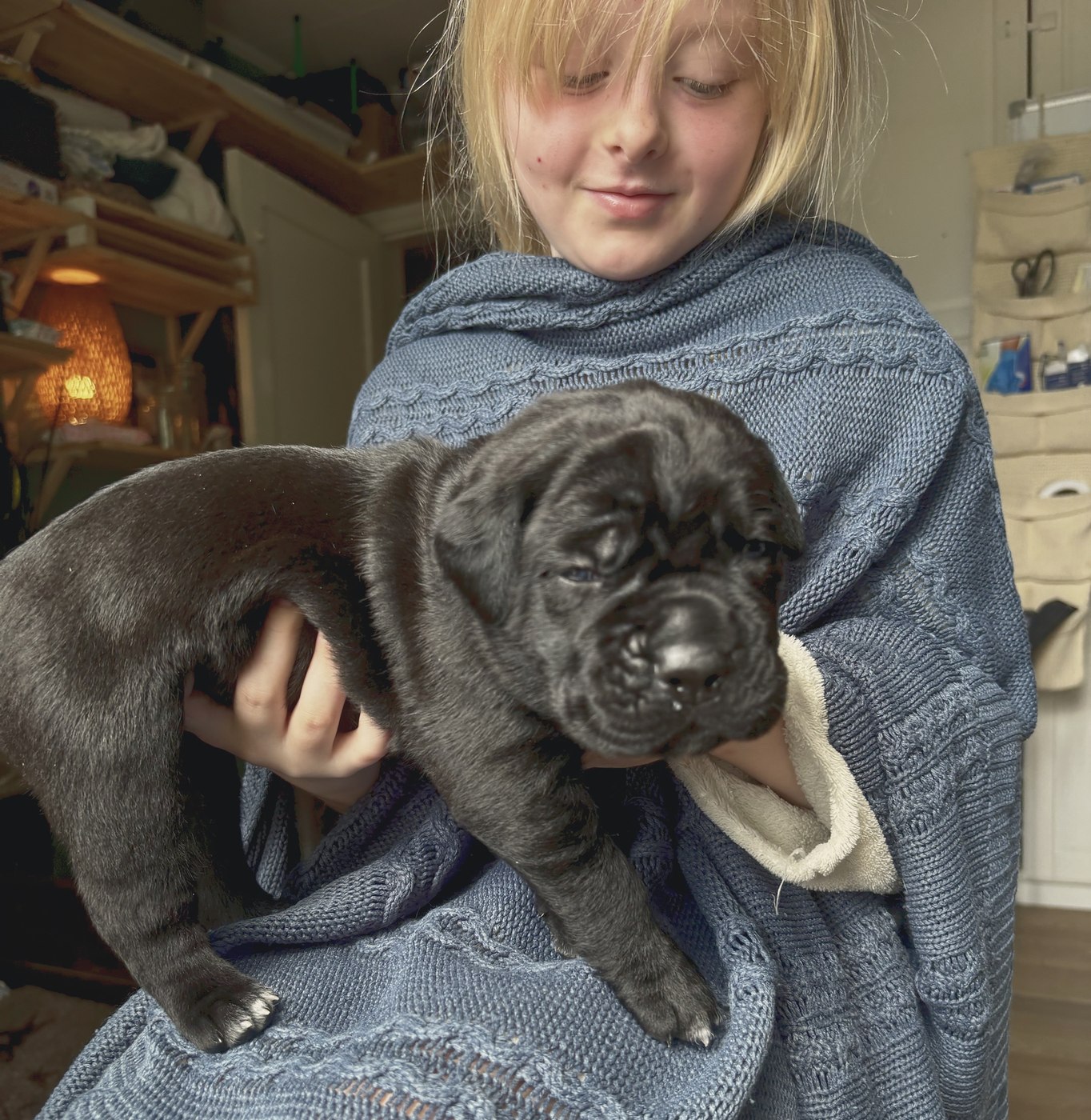
The tone of the relationship is set long before the puppy goes home. A buyer who was answered honestly, interviewed respectfully and told what to expect starts the relationship trusting you; a buyer who felt pressured or kept in the dark does not. Being clear in communication and setting expectations, answering difficult questions without getting defensive, and educating your buyers before the handover are all relationship work, even though they feel like sales.
Be the first call
The single most useful thing you can do is make it easy and safe to call you. Tell every buyer, more than once and in writing, that you want to hear from them about anything — a worry at 9 p.m. in the first week, a diagnosis at five years, a family crisis at ten — and that you would always rather hear early than late. Buyers already expect it: the AKC tells buyers to ask how they can reach the breeder after the sale, and the Humane Society of the United States lists guidance before and after purchase among the signs of a responsible breeder. Then make sure your reactions match your words.
- Respond kindly to “silly” questions. The buyer who is told their question is silly does not ask the next one, which may be important.
- Never make a buyer feel judged for a problem with the dog. Problems are information; blame ends the conversation.
- Say clearly what you can and cannot help with. You are not their veterinarian, and you should say so when a question needs one.
- Answer within a time you can keep, and tell buyers what that is. A reliable “within a day” is better than an occasional “within minutes”.
Give before you ask
A relationship in which the breeder only gets in touch to ask for photos, data or a review feels like a transaction. Turn it around and offer something useful at the moments buyers need it: a short note before adolescence starts, explaining that it is normal and temporary; a reminder about the breed’s health screening when the dog reaches the right age; news from the breed club about a new DNA test; a heads-up about heat and summer walks. Over the years, that steady stream of useful contact is what makes buyers want to stay in touch — and makes them glad to answer when you do ask for health and longevity information.
Build a community of owners
Many breeders find that their buyers enjoy each other as much as they enjoy the breeder. An owner group can take several forms; choose the one you can actually run:
- A private online group for owners of your dogs, with simple rules: kind, no selling, no medical advice in place of a veterinarian.
- A yearly meet-up or walk, which lets you see your dogs as adults and lets owners compare notes.
- A short update after each litter, or once a year, with news about the breed, your dogs and anything you have learned.
- Litter birthdays: a message on the anniversary is small, personal and often answered with exactly the kind of update you hope for.
An owner community also helps in harder moments. When a dog needs a temporary home, or an owner is struggling with a behavior problem, another owner who has been there can be a great support — always with you, and a veterinarian where needed, in the background.
In practice
A breeder sends every buyer a short message on their dog’s first birthday, with a photo of the litter at eight weeks and two questions: how is he, and is there anything you would like help with? Most owners reply within a day with photos and news. Two mention problems — one with recall, one with itching — that they had not wanted to “bother” her with. She points the first to a trainer she trusts and the second to their veterinarian, and adds a line to her puppy pack: “You are never bothering me.”
(Illustrative, composite scenario.)
Respect the line
Long relationships last when both sides feel respected. The dog belongs to the buyer now, and they make the everyday decisions. Avoid checking up, criticizing choices that are theirs to make, or turning every update into advice. If you have real concerns about a dog’s welfare, raise them directly and kindly, and act on your contract only when it is genuinely needed. Ask before you share photos or stories about buyers’ dogs publicly, and handle their personal details as carefully as described in staying in contact with puppy buyers. Agree, too, on what you can realistically offer: a breeder with many dogs out in the world cannot be on call to all of them all the time, and saying so up front is kinder than failing quietly later.
When the relationship is tested
The moments that test the relationship are the ones that matter most: a health diagnosis, a behavior problem, a buyer who can no longer keep the dog, a complaint. How you respond then decides whether the relationship survives. The principles are the same as in every good relationship — listen first, take responsibility for what is yours, be honest about what you can do, and keep your word. The practical side is covered in handling conflict with buyers and, if a dog needs to come back, in the first conversation.
Keep it sustainable
The best relationship is one you can keep up for every dog, for years. A few simple tools help: a list of every dog you have bred with its owner’s contact details and key dates, a reminder system for birthdays and health screening ages, and a set of short message templates you can personalize. The cadence and records are covered in staying in contact with puppy buyers. Keep it small enough to be real; a personal message once a year is worth more than a newsletter nobody reads.
Work on it
A few minutes here will teach you more than re-reading the article.
Ask yourself
- Would my buyers describe me as the first person they would call with a problem — or the last?
- When did I last contact a buyer to offer something, rather than to ask for something?
- How many dogs I have bred could I realistically stay in touch with, and how?
Find out & check
- Ask two or three of your past buyers, honestly, what made it easy or hard to get in touch with you after the sale.
Do one thing
- Set a reminder for each dog’s next birthday, and send a short personal message with one question when it comes.
Was this article helpful?
Anonymous. We do not store your name, email or IP address.
Sources & further reading
- American Humane Association — Keeping Pets (Dogs and Cats) in Homes: A Three-Phase Retention Study, Phase II (2013). americanhumane.org
- Weiss E, Gramann S, Spain CV, Slater M — Goodbye to a Good Friend: An Exploration of the Re-Homing of Cats and Dogs in the U.S. Open Journal of Animal Sciences 5:435–456 (2015). aspcapro.org
- Dogs Australia — Code of Practice (July 2023). dogsaustralia.org.au
- The Royal Kennel Club — The Royal Kennel Club Code of Ethics. royalkennelclub.com
- American Kennel Club (Randa Kriss) — Questions to Ask Your Potential Breeder. akc.org
- The Humane Society of the United States — How to find a responsible dog breeder. humanesociety.org
Where evidence is limited, recommendations rest on established practice and expert judgment, and may be updated as knowledge develops. How you may store and use buyers’ personal details depends on the data protection law where you live. This is general information, not legal advice.
Next steps
- Read next: Staying in contact with puppy buyers.
- Related: Handling difficult questions from puppy buyers.
- Related: Educating your puppy buyers.
- Return to the area hub: From first inquiry to settled puppy.