If a puppy has to travel far to reach its new home in summer, the safest plan is usually the one that avoids the cargo hold altogether — and if flying is the only option, breeders need to plan around heat embargoes, legal minimums and breed-specific risks well before go-home day.
The most important first
- Many airlines won’t carry animals in the hold above about 85°F (29.5°C) at any airport on the route, and some airports have summer-long bans.
- In the US, a puppy must be at least 8 weeks old and weaned before it can be shipped commercially.
- Flat-faced breeds face higher risk. In US import data, brachycephalic dogs were almost four times as likely to arrive ill or dead.
- The safest summer options are the new owner collecting the puppy, a ground trip with planned stops, or travel in the cabin where allowed.
- Never let a deadline beat the weather. Delay the trip rather than ship a puppy into a heat wave.
Last updated: November 8, 2026
Why summer is different
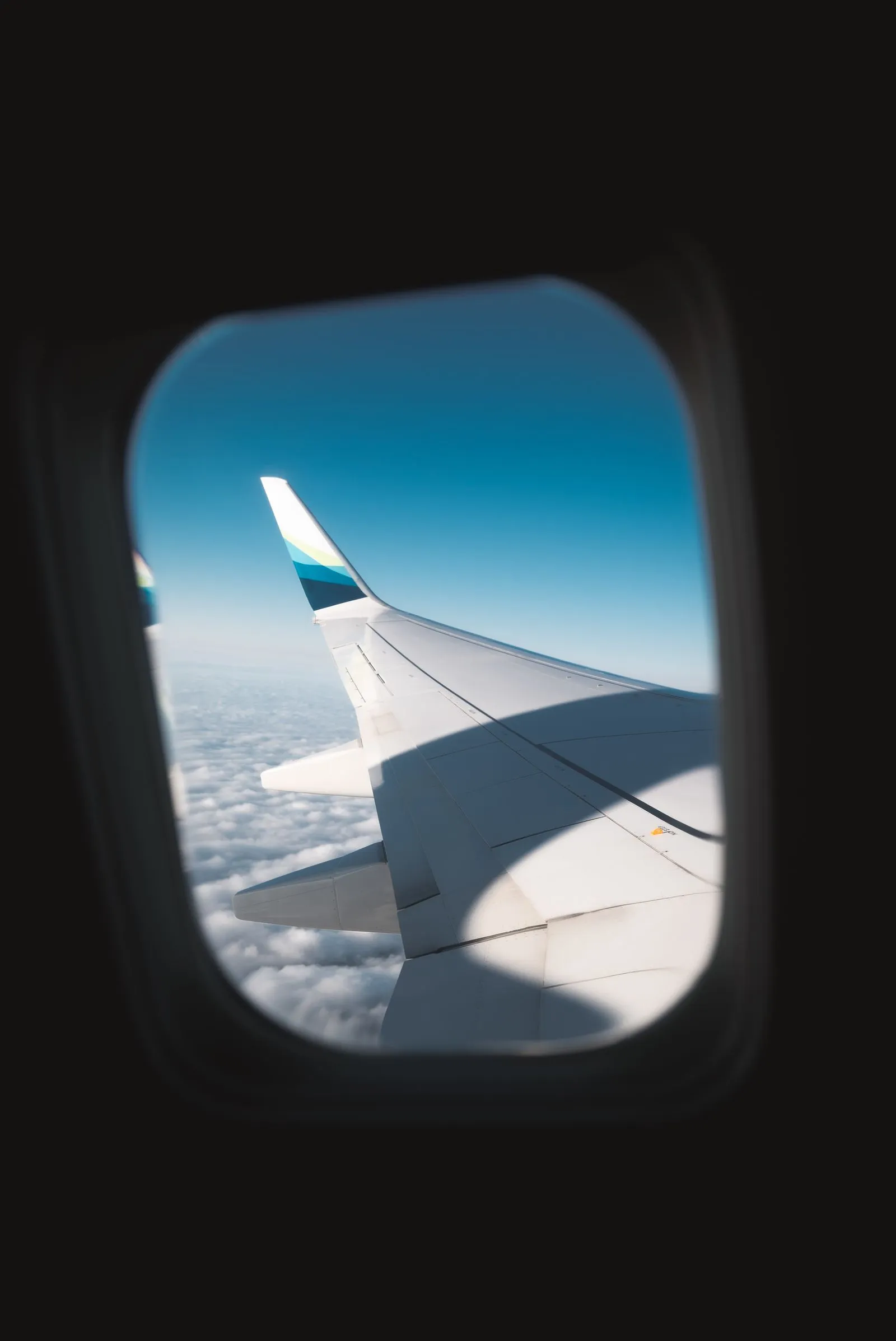
On the ground, the hold of a parked aircraft and the ramp around it can heat up quickly, and that is when animals are most exposed. Airlines respond with seasonal embargoes. Alaska Air Cargo, for example, states that its 2026 summer embargo generally runs from May 1 to October 16 and that animal shipments are generally not accepted when temperatures exceed 85°F, with additional station-specific rules.
US rules set a floor, not a guarantee of comfort. Under the Animal Welfare Act regulations, holding areas for dogs must not go above 85°F or below 45°F for more than four consecutive hours while dogs are present, and shade must be provided. Four hours near 85°F is a long time for a young puppy.
Who is most at risk
Flat-faced breeds. In a review of dogs imported into the United States from 2010 to 2018, Pieracci and colleagues (2022) found that brachycephalic breeds had 3.88 times the odds of arriving ill or dead. Travel in cargo (2.41 times) or as checked baggage (5.74 times) was also associated with illness or death. Many airlines restrict or refuse brachycephalic breeds altogether; check before you promise anything to a buyer.
Young puppies. Puppies regulate their temperature less well than adults and can dehydrate quickly. They are also facing their first separation from mother and littermates.
Anxious dogs. In an international owner survey, Jahn and colleagues (2023) found that most dogs coped with and recovered well from air travel, but a group suffered physical, mental and emotional problems during or after travel, including deaths. The authors noted that stress-reducing measures were underused.
Rules last checked: November 8, 2026
We checked this page against the official sources listed below on the date above. Rules can change after that date, and no single page can cover every situation, so something that matters to you may have been amended since, or may not be covered here at all. Before you rely on it, check these as well:
- United States (USDA):: Dogs must be at least 8 weeks old and weaned before they can be handed to a carrier or shipped commercially (9 CFR 2.130). Holding areas must not go above 85°F (29.5°C) or below 45°F (7.2°C) for more than four consecutive hours while dogs are present, and shade must be provided (9 CFR 3.19).
- United States (CDC):: Dogs entering the US must meet CDC rabies-risk rules, which depend on where the dog has been in the previous 6 months and where it was vaccinated, as well as USDA and destination requirements. Dogs imported for resale have extra USDA requirements.
- Worldwide (IATA):: Airlines follow the IATA Live Animals Regulations; the current edition took effect on January 1, 2026. Container requirements are set per species.
- Airlines:: Each airline sets its own summer embargo. Alaska Air Cargo, for example, generally does not accept animal shipments above 85°F during its summer season (May 1–October 16, 2026), with station-specific rules.
- Other countries:: Import, export and airline rules differ by country and change often. Check with your national authority, the airline and your veterinarian before booking.
Last updated: November 8, 2026
Planning a summer placement
- Ask early how the puppy will travel. Make it part of your conversation when assessing puppy buyers.
- Prefer collection. The new owner driving to you is usually the safest and lets you hand over the puppy and its paperwork in person.
- Plan road trips like a heat-safety exercise. Air conditioning, shade, water, frequent stops and never leaving the puppy in a parked car.
- If the puppy must fly, check the airline’s current embargo, breed restrictions and crate rules; book early-morning or late-evening flights; avoid connections; and have a backup date.
- For international moves, check import rules, vaccination and waiting-period requirements well in advance — they can mean the puppy stays with you for months.
- Put it in writing. Your sales contract or puppy agreement should say who arranges and pays for transport, and what happens if a flight is cancelled. See the puppy sales and transition guide.
In practice
A breeder has a puppy sold to a family 1,500 miles away, with a July go-home date. The airline’s summer embargo makes the flight uncertain, and the breed is on its restricted list. She suggests the family drive and meet her halfway, and agrees to keep the puppy one extra week so the trip can fall on a cooler weekend.
(Illustrative, composite scenario.)
When to call your veterinarian
- Before any flight: for the required health paperwork and to discuss whether this puppy is fit to travel.
- If a puppy is panting heavily, drooling, weak, wobbly or has bright red or pale gums after travel — this may be heat stress.
- Vomiting, diarrhea or refusing water after arrival.
- If in doubt, call — your vet would rather hear from you early.
Work on it
A few minutes here will teach you more than re-reading the article.
Ask yourself
- Do I know how each puppy in my next litter will travel?
- Does my contract cover transport and cancellations?
- Is my breed on any airline’s restricted list?
Find out & check
- Look up your nearest airport’s summer embargo and your preferred airline’s breed rules.
Do one thing
- Add a “how will the puppy get home?” question to your buyer questionnaire.
Was this article helpful?
Anonymous. We do not store your name, email or IP address.
Sources & further reading
- Alaska Air Cargo (2026) — Summer 2026 Animal Shipping Temperature Embargoes. public.alaskacargo.com
- US Code of Federal Regulations — 9 CFR § 2.130, Minimum age requirements. law.cornell.edu
- US Code of Federal Regulations — 9 CFR § 3.19, Handling (terminal facilities). law.cornell.edu
- Centers for Disease Control and Prevention — Bringing a Dog into the United States. cdc.gov
- International Air Transport Association — Live Animals Regulations (LAR). iata.org
- Pieracci EG, Maskery B, Stauffer K, Gertz A, Brown C (2022) — Risk factors for death and illness in dogs imported into the United States, 2010–2018. Transboundary and Emerging Diseases 69:e1749–e1757. doi.org
- Jahn K, Ley J, DePorter T, Seksel K (2023) — How Well Do Dogs Cope with Air Travel? An Owner-Reported Survey Study. Animals 13:3093. doi.org
Rules and airline policies change often; always check current requirements with the airline, the relevant authorities and your veterinarian. This is general information and not legal or veterinary advice.
- Read next: Heatstroke in breeding dogs and puppies.
- Related: Matching each puppy to the right home.
- Return to the guide: Puppy sales and transition guide.