Assessing temperament is, for most breeds, the most important evaluation a breeder makes — and the one most often done on gut feeling alone. Temperament and working ability shape the dog’s whole life with its family, and many temperament traits are partly heritable, some substantially so, so what you select for does carry forward — though rearing and experience shape every dog too. This guide is about judging them as carefully as you judge structure.
The most important first
- Temperament is a top-tier breeding trait — usually a non-negotiable.
- “Nice at home” isn’t an assessment; judge behavior across situations.
- Distinguish stable temperament from trained behavior and from a calm day.
- For working breeds, working ability is part of type and function.
- Use structured observation and, where they exist, tests and trials.
How to approach assessing temperament
The problem with temperament is that it’s easy to feel and hard to pin down. A dog that’s lovely on the sofa may be very different meeting strangers, hearing sudden noises, or handling frustration. Assessing temperament means observing the dog across a range of real situations — novelty, handling, other dogs, mild stress, recovery — rather than in the one comfortable context you see most. What you’re looking for is stability: appropriate responses and, crucially, the ability to recover.
Heritability differs from trait to trait. In one large Labrador study, sensitivity to loud noises showed substantial genetic influence, while some other traits showed very little. A large genomic study across many breeds found that breed explained only a small share of the behavioral differences between individual dogs — one more reason to judge the dog in front of you rather than its breed’s reputation.
Set a clear floor. The FCI advises against breeding from dogs that show excessive fear or aggression in unprovoked situations, whatever their other qualities. Observe the dog more than once, at different ages and in different places. Research on working-dog tests shows that many lack strong evidence of reliability, and results in young dogs can reflect development rather than settled adult temperament. Willingness to work and friendly engagement with people have been among the more consistent predictors of working success.
Temperament versus training versus a good day
Three things get confused. Trained behavior can mask underlying temperament — a well-managed dog isn’t necessarily a stable one. A good day isn’t a trait. And handler effects are real. Good assessment separates the dog’s nature from its training and its mood, which is why breeders lean on repeated observation and on structured evaluations that reduce these confounders.
Before you put a change in behavior down to temperament, rule out pain and illness. The Merck Veterinary Manual describes pain as a significant risk factor for behavior problems, and signs of pain are common in dogs seen by veterinary behaviorists. A dog that has become irritable, withdrawn or reactive deserves a veterinary check before it is judged as breeding stock.
In practice
A stud is calm and biddable at home and the breeder assumes rock-solid nerves. On a busy street he’s a different dog — hesitant, slow to recover. Only by seeing him outside his comfort zone did his real noise-sensitivity show. It changes whether, and to what, he should be bred.
(Illustrative, composite scenario.)
Working ability as part of function
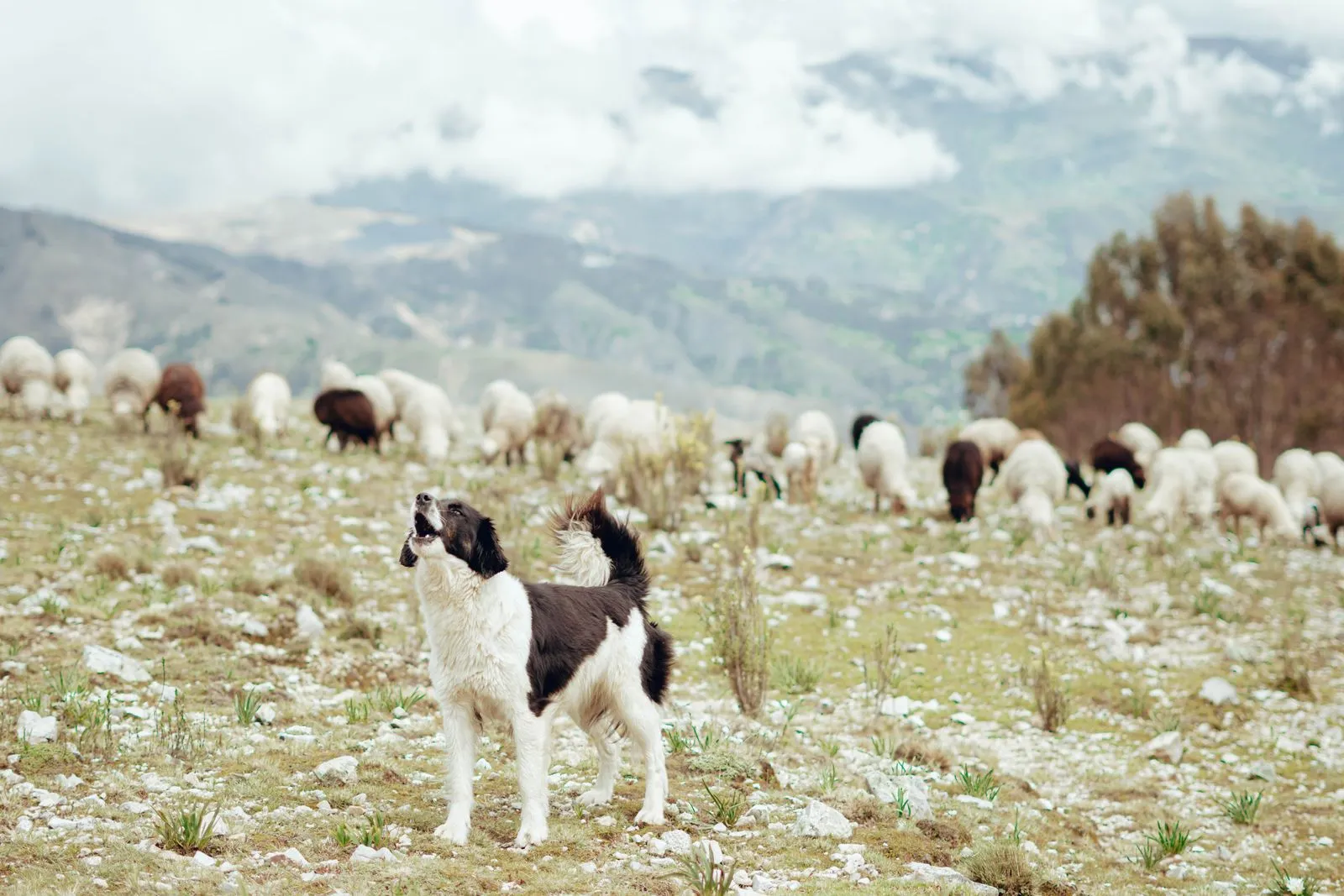
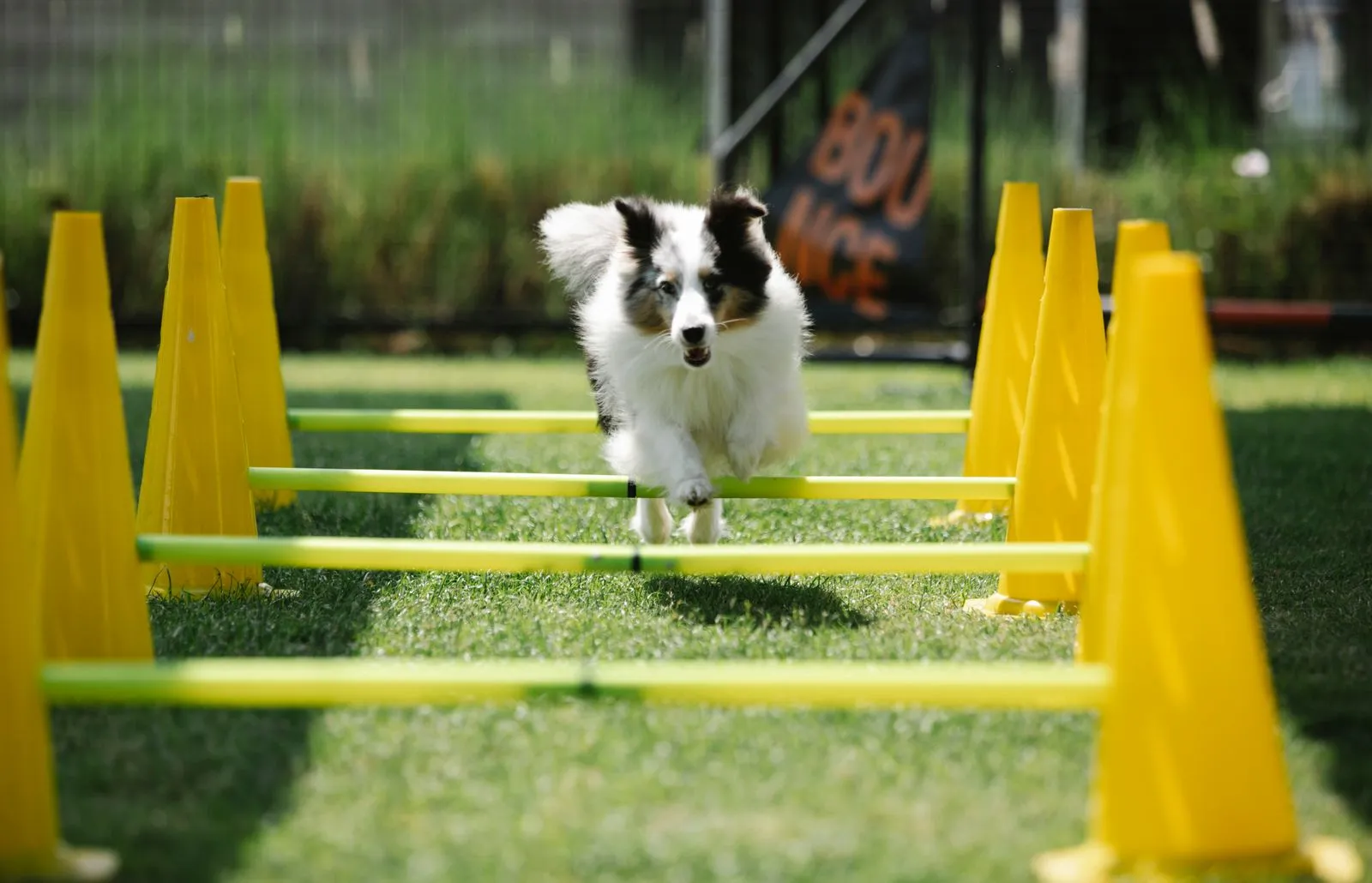
For working and purpose-bred breeds, working ability isn’t a separate hobby — it’s part of what the breed is, and therefore part of breeding evaluation. Drive, biddability, scenting or herding instinct, courage appropriate to the breed: these are partly heritable traits that can drift if nobody selects for them. Where trials, tests or working assessments exist for your breed, they are more objective than impressions, precisely because they put the dog under real demands — but most have limited published reliability data, and a single test in a young dog predicts adult behavior only modestly, so treat results as one observation among several. This is breed purpose and function made testable.
In practice
A herding line has been bred on looks for a few generations, and the breeder notices the pups no longer show much instinct. Testing against actual stock confirms it. What wasn’t measured wasn’t maintained — and now has to be deliberately bred back.
(Illustrative, composite scenario.)
Work on it
A few minutes here will teach you more than re-reading the article.
Ask yourself
- Have I seen my breeding dogs outside their comfort zone, or only at home?
- Can I tell my dog’s temperament apart from its training and its mood?
- If my breed is a working breed, am I actually assessing working ability?
Find out & check
- Find out which temperament or working evaluations exist for your breed.
- Check a candidate dog’s temperament across several genuinely different situations.
Do one thing
- Observe one breeding dog in three unfamiliar situations this month and note how it responds and recovers.
Was this article helpful?
Anonymous. We do not store your name, email or IP address.
Sources & further reading
- Fédération Cynologique Internationale — International Breeding Strategies. fci.be
- Morrill K et al. (2022), Science 376:eabk0639 — Ancestry-inclusive dog genomics challenges popular breed stereotypes. broadinstitute.org
- Ilska J et al. (2017), Genetics 206:1101–1111 — Genetic characterization of dog personality traits. research.ed.ac.uk
- MacLean EL, Snyder-Mackler N, vonHoldt BM, Serpell JA (2019), Proc R Soc B 286:20190716 — Highly heritable and functionally relevant breed differences in dog behaviour. experts.arizona.edu
- Brady K, Cracknell N, Zulch H, Mills DS (2018), Frontiers in Veterinary Science 5:103 — A systematic review of the reliability and validity of behavioural tests used to assess behavioural characteristics important in working dogs. frontiersin.org
- Merck Veterinary Manual — Behavioral Problems of Dogs. merckvetmanual.com
- The Royal Kennel Club — Code of Ethics. royalkennelclub.com
Where evidence is limited, recommendations rest on established practice and expert judgment, and may be updated as knowledge develops.
Next steps
- Read next: Evaluating breeding stock honestly.
- Related: Breed purpose and function. Puppy behavior is covered in the Behavior area.
- Return to the area hub: Building a breeding program.