Heartworm is spread by a single mosquito bite, grows silently for months, and by the time a dog coughs or tires easily the damage to the heart and lungs is done — but prevention is simple, so the important things for a new puppy are to start early, dose by current weight and never let a gap open up between the breeder’s home and the new one.
The most important first
- Start puppies early. The American Heartworm Society recommends a preventive as early as the product label allows and no later than 8 weeks of age.
- Dose by weight, not age, and recheck as the puppy grows.
- Give it year-round. Preventives kill larvae that developed since the last dose; gaps let worms mature.
- Test dogs as advised: the FDA recommends testing dogs 7 months and older before starting prevention, and yearly after that.
- Preventives need a prescription and are not a treatment for an existing infection.
Last updated: November 8, 2026

How heartworm spreads
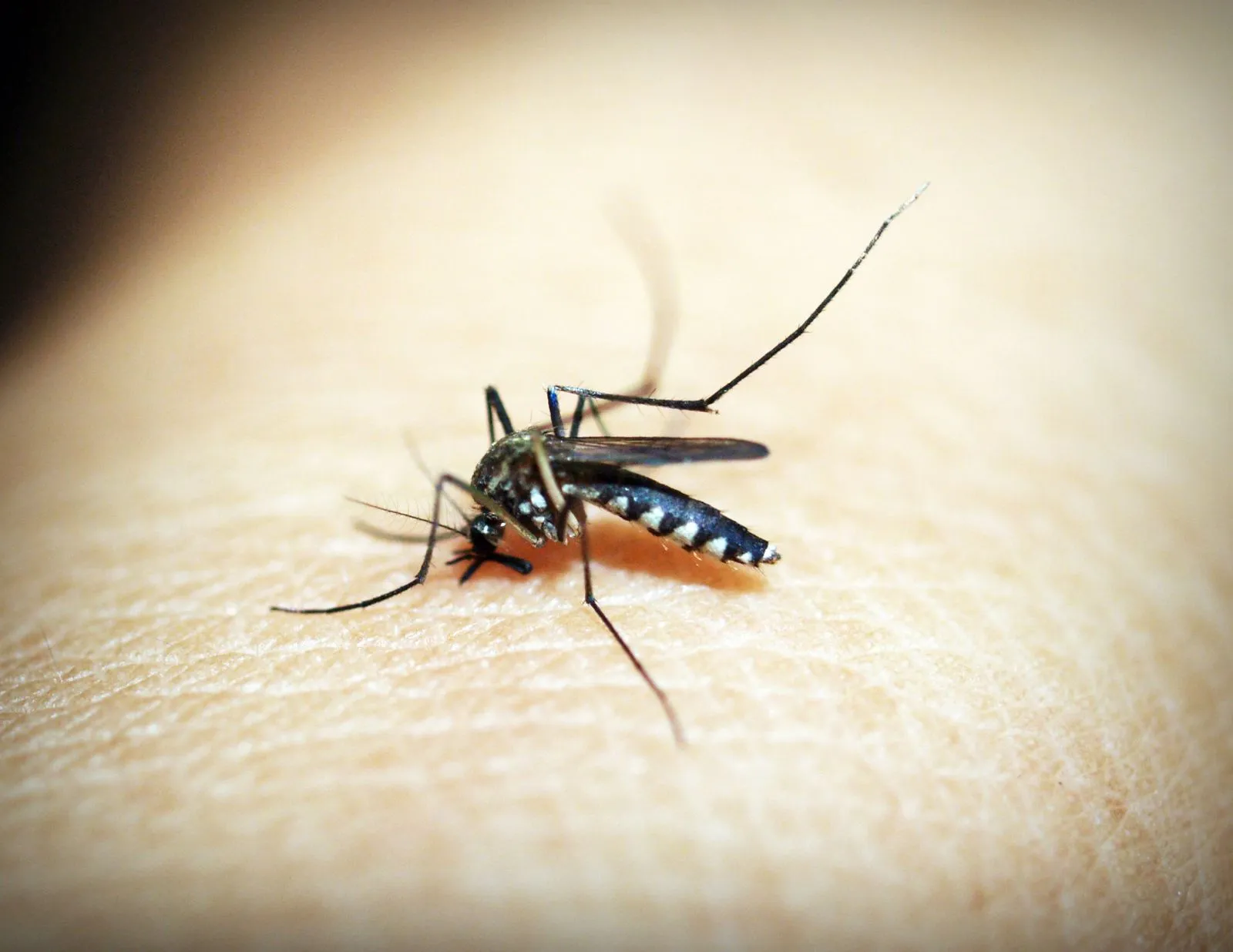
The US Food and Drug Administration explains that Dirofilaria immitis spreads only through mosquito bites, never directly from dog to dog. A mosquito picks up tiny larvae from an infected animal; after 10 to 14 days they are infective, and when the mosquito bites another dog the larvae take about 6 to 7 months to grow into adult worms in the heart and lungs. Signs range from none or an occasional cough early on to persistent coughing, breathing difficulty and heart failure.
The Companion Animal Parasite Council (CAPC) notes that in the US most cases occur in the southeast and the Mississippi River Valley, but that cases are rising in lower-prevalence states such as California, Oregon, Washington and Colorado. The American Heartworm Society says heartworms are found in all 50 states. Heartworm also occurs in many other warm regions of the world, and dogs travel: when Quintana and colleagues tested 6,699 dogs traveling from 34 countries, they found infected dogs among them, a reminder that a dog’s history matters when it moves.
When to start a puppy
The American Heartworm Society recommends starting puppies on a preventive as early as the product label allows and no later than 8 weeks of age, and explains that the dose depends on body weight, not age. Puppies grow so fast that the right size can change within weeks: its example is a German Shepherd puppy going from about 17 pounds at 4 weeks to 29–30 pounds at 8 weeks. If a dose change is expected, the society suggests buying only one or two doses at a time.
Testing
Because larvae take months to mature, testing very young puppies tells you little. The FDA says antigen tests can detect infection about 5 months after a bite at the earliest, recommends testing dogs 7 months and older before starting prevention, and advises annual testing. The American Heartworm Society adds that a dog starting prevention for the first time after 6 months should be retested six months later, then at least yearly. CAPC recommends testing all dogs annually, including those on prevention; an American Heartworm Society FAQ explains why: doses can be spat out or rubbed off, and testing is how rare cases of resistance are found.
Why year-round, and why doses must not be missed
CAPC recommends keeping all dogs on preventives year-round. The American Heartworm Society explains that preventives do not block infection; they kill young heartworms that have developed since the last dose, so a gap gives worms a chance to reach adulthood, and the most common reason dogs get heartworm disease is failure to give prevention all year. Its summary: give a preventive 12 months a year and test every 12 months.
The FDA points out that preventives do not kill adult worms and that giving one to an infected dog can be harmful, which is why testing comes first in older dogs. Treatment of established infection is expensive, needs several visits and carries serious risks.
For breeders: a clean handover
- Ask your veterinarian which product suits your puppies’ age and weight, and whether it is approved for breeding and nursing dogs if the dam is treated too.
- Weigh puppies before each dose, and record product, date and weight.
- Send the record home with the puppy, with the next due date, and tell buyers to book their own vet visit before that date.
In practice
A breeder starts her litter on a preventive at the age the label allows and records each dose with the puppy’s weight. The buyers of the largest puppy get two tablets, not a six-month pack, and a note that the puppy will soon need the next size up. At the first vet visit their veterinarian checks the record and continues without a gap.
(Illustrative, composite scenario.)
When to call your veterinarian
- Coughing, tiring easily on walks, fast or labored breathing, or weight loss.
- A missed or late dose: ask what to do rather than doubling up.
- A dog with unknown preventive history, especially from a high-risk area.
- If in doubt, call — your vet would rather hear from you early.
Work on it
A few minutes here will teach you more than re-reading the article.
Ask yourself
- Is my dog’s heartworm dose set to its current weight?
- Have I ever let prevention lapse in winter?
- When was my dog last tested?
Find out & check
- Ask your veterinarian how common heartworm is where you live and travel.
Do one thing
- Set a recurring monthly reminder for your dog’s preventive, and a yearly one for testing.
Was this article helpful?
Anonymous. We do not store your name, email or IP address.
Sources & further reading
- Companion Animal Parasite Council — Heartworm (guidelines). capcvet.org
- American Heartworm Society (2013) — Puppies and Kittens Need Protection, Too. heartwormsociety.org
- American Heartworm Society (2013) — Will Heartworm Preventives Protect My Pet? heartwormsociety.org
- US Food and Drug Administration — Keep the Worms Out of Your Pet’s Heart! The Facts about Heartworm Disease. fda.gov
- Quintana TA, Aguinaga B, Mitchell J, Schieferecke G, Seetahal JFR, Jesudoss Chelladurai JRJ (2026) — Seroprevalence of Dirofilaria immitis in traveling dogs: implications for transboundary pathogen movement. Parasites & Vectors 19:402. doi.org
- American Heartworm Society (2021) — Frequently asked questions: Does my dog need a heartworm preventive? d3ft8sckhnqim2.cloudfront.net
Where evidence is limited, recommendations rest on established practice and expert judgment, and may be updated as knowledge develops. Products, doses and testing schedules must come from your veterinarian. This is general information and does not replace advice from your veterinarian.
Next steps
- Read next: Parasites and worming schedules.
- Related: Ticks and tick-borne disease in dogs · Parasite control in the kennel.
- Return to the guide: Breeder’s Library.