When gardening starts again in spring, sheds open, bags of fertilizer and slug pellets come out, bulbs are planted and new plants arrive from the garden center — and a dog or puppy who follows you around will investigate all of it, so a safe garden is mostly about storage, timing and knowing which few products and plants are truly dangerous.
The most important first
- Slug and snail bait containing metaldehyde can cause seizures in dogs and is an emergency.
- Sago palms (cycads) are highly toxic to dogs, including the seeds.
- Keep dogs indoors while you apply fertilizer or weedkiller, and off treated areas until the product has been watered in or the ground is dry.
- Store every garden product in closed cupboards or on high shelves, never in open bags.
- If your dog eats a garden product or plant, call your veterinarian or a pet poison helpline immediately, and take the packaging or a photo of the plant.
Last updated: November 8, 2026
Slug and snail bait
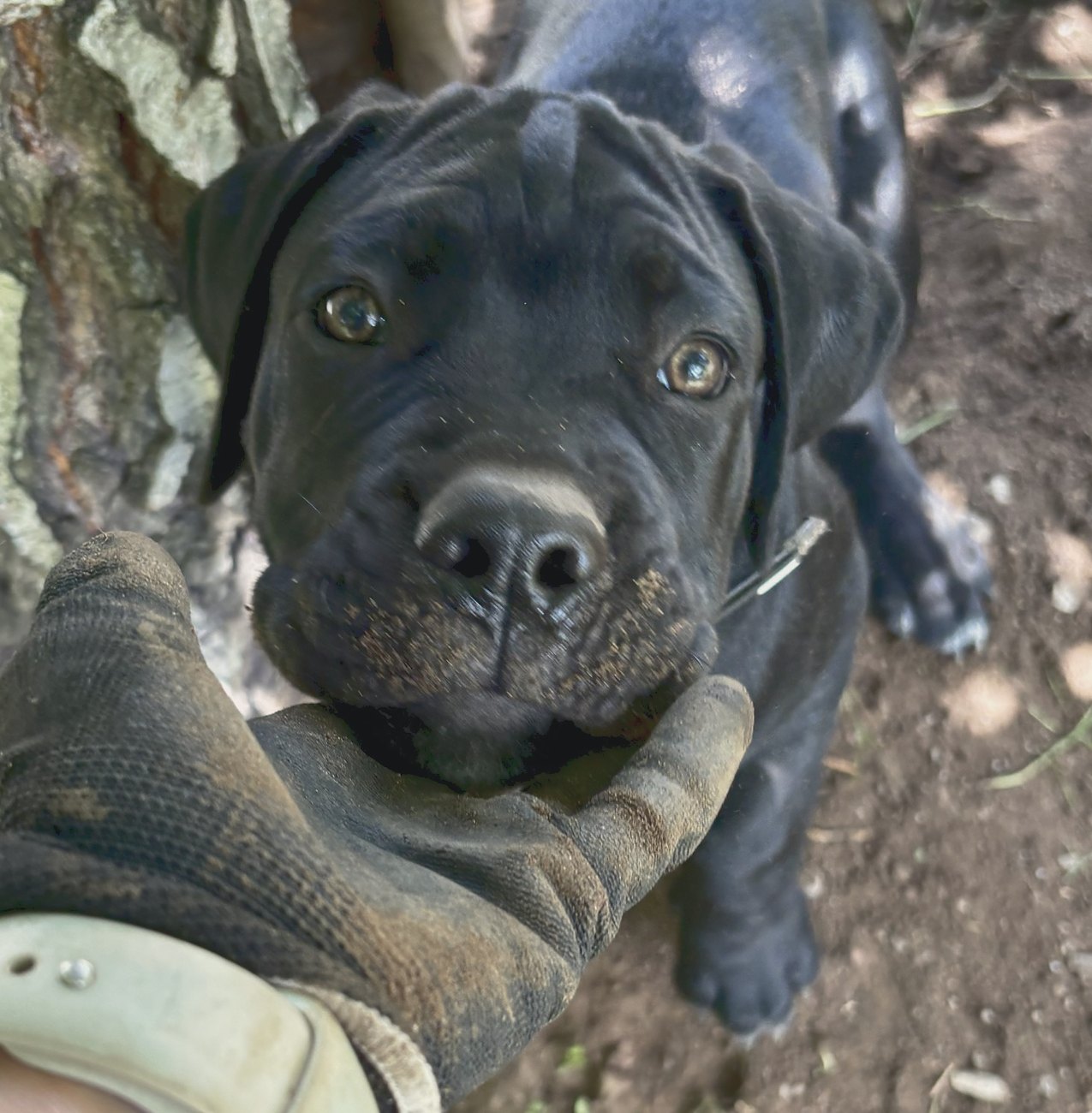
Metaldehyde slug and snail baits are attractive to dogs and act fast. In a prospective study of 26 dogs with metaldehyde poisoning in France, Dutil and Berny found that the most common signs were loss of coordination, convulsions, drooling and tremors; with emergency treatment, 81% survived. Some countries have restricted metaldehyde, but older stock may still be in sheds and other baits can be harmful too. Use dog-safe methods such as barriers and hand-picking, and keep any bait locked away.
Fertilizers, weedkillers and lawn products
The ASPCA advises storing fertilizers and herbicides where pets cannot chew or puncture the containers, keeping pets indoors while products are applied, and keeping them off treated areas until the product has been watered in or the ground is dry. Some fertilizers contain bone meal or blood meal, which dogs find tasty and may eat in quantity, and some contain added insecticides.
Dogs also pick up lawn and garden chemicals simply by living with them. In a study of 71 pet dogs in Australia, Liu and colleagues detected the weedkiller glyphosate in the urine of 68%, at levels higher than those reported in Australian people. What that means for health is not yet clear, but it is one more reason to use these products sparingly and keep dogs off freshly treated ground.
Plants to watch
- Sago palm (cycad). In a review of 130 dogs with confirmed cycad palm ingestion at two referral centers, Lake and colleagues found that 82% had clinical signs and overall mortality was 12%. Liver damage drives the outcome, so early treatment matters.
- Lily-of-the-valley. The US Food and Drug Administration warns that it is dangerous to both dogs and cats because it can cause abnormal heart rhythms.
- True lilies and daylilies. The FDA notes that these cause fatal kidney failure in cats but usually only mild stomach upset in dogs. Keep them away if you also have a cat.
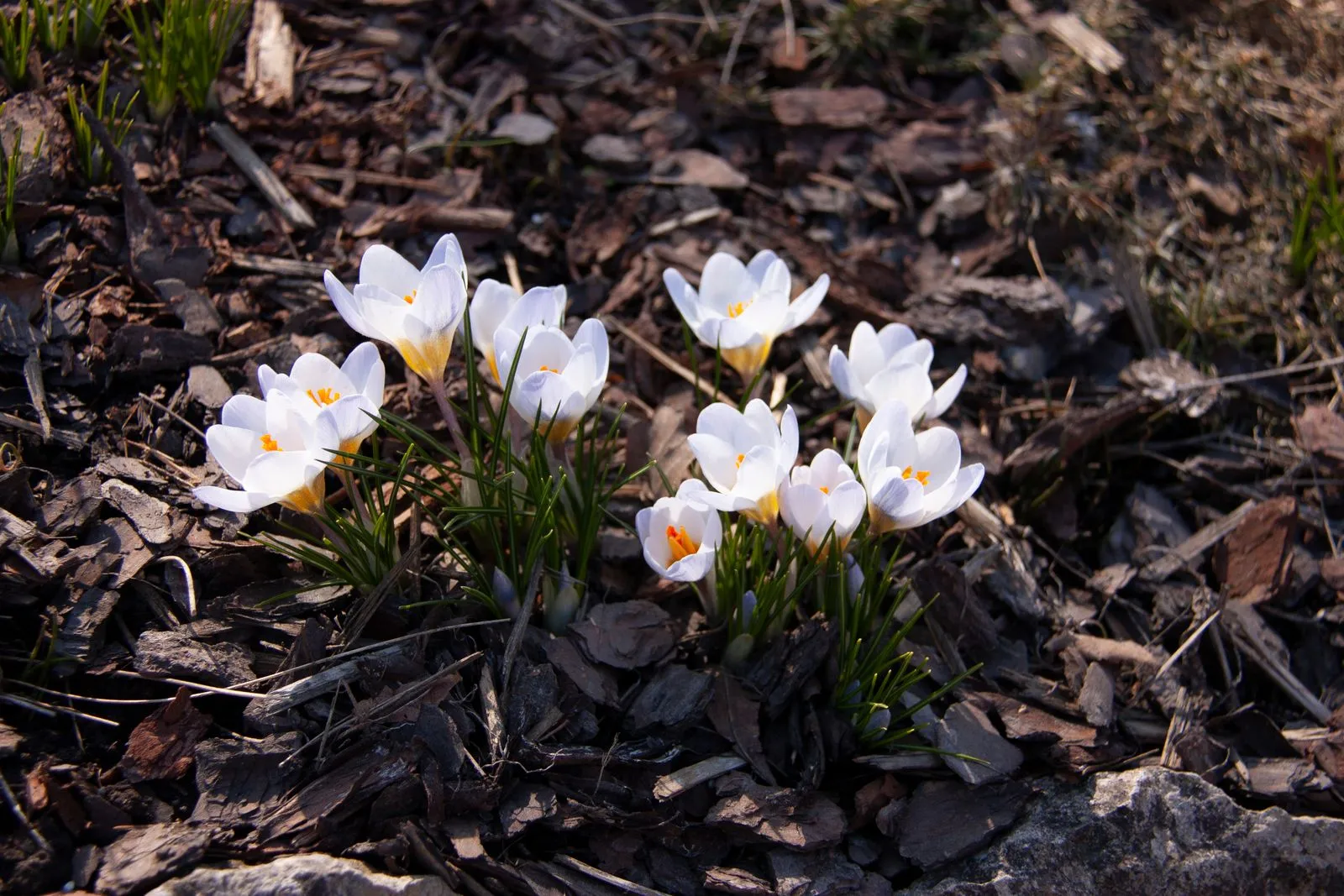
- Bulbs, azaleas and others. The ASPCA’s toxic and non-toxic plants database lists plants reported to cause serious effects or intense stomach upset; check any new plant before it goes in, and remember that any plant material can cause vomiting.
Mulch, compost and garden extras
- Compost bins and food waste can contain moldy food and bones; keep them closed and dog-proof.
- Netting, string and plant ties can tangle or be swallowed.
- Water butts and ponds need secure lids or edges for puppies.
A dog-friendly garden plan
- Fence off beds you are working on, or garden while your dog is inside.
- Give your dog its own digging spot and a shady resting place.
- Check new plants against the ASPCA database before buying.
- Keep a garden products list with brand names on your phone, so you can tell a vet exactly what your dog got into.
In practice
A family’s six-month-old puppy is found chewing a torn box of slug pellets left by the shed door. They take the box, call their emergency clinic on the way, and are seen within minutes as the puppy starts to tremble. The puppy recovers after a night in hospital. The pellets are thrown out, and the shed gets a latch.
(Illustrative, composite scenario.)
When to call your veterinarian
- Your dog has eaten slug or snail bait, fertilizer, weedkiller, a sago palm or seeds, or an unknown plant or bulb.
- Trembling, drooling, wobbliness, restlessness or a seizure: this is an emergency.
- Vomiting, diarrhea, lethargy or not eating after time in the garden.
- If in doubt, call — your vet would rather hear from you early.
Work on it
A few minutes here will teach you more than re-reading the article.
Ask yourself
- Where are my garden products stored, and could a dog reach them?
- Is there slug bait in my shed?
- Do I know the names of the plants in my garden?
Find out & check
- Search the ASPCA plant database for every plant in your garden and on your shopping list.
Do one thing
- Move all garden chemicals into a closed cupboard or onto a high shelf this week.
Was this article helpful?
Anonymous. We do not store your name, email or IP address.
Sources & further reading
- Dutil GF, Berny P (2023) — A prospective study on clinical signs, management, outcomes, and delayed neurologic sequelae due to metaldehyde poisoning in 26 dogs. Open Veterinary Journal 13:510–514. doi.org
- Lake BB, Edwards T, Atiee G, Stone R, Scott L (2020) — The characterization of cycad palm toxicosis and treatment effects in 130 dogs. Australian Veterinary Journal 98:555–562. doi.org
- Liu SO, Campbell G, Kanemitsu K, Thomas KV, Kaserzon SL (2026) — Domestic dog exposure to glyphosate in Australia. Environmental Toxicology and Chemistry 45:2558–2569. doi.org
- ASPCA (2026) — Pet Safety Tips for Easter. aspca.org
- ASPCA Animal Poison Control — Toxic and Non-Toxic Plants. aspca.org
- US Food and Drug Administration — Lovely Lilies and Curious Cats: A Dangerous Combination. fda.gov
Where evidence is limited, recommendations rest on established practice and expert judgment, and may be updated as knowledge develops. This is general information and does not replace advice from your veterinarian.
Next steps
- Read next: Poisoning risks in the kennel and home.
- Related: Easter and your dog · Puppies and swallowed objects.
- Return to the guide: Breeder’s Library.