Grass seeds look harmless, but their barbed shape lets them move only one way — forward, into your dog — so a two-minute check after every summer walk and a tidy trim around the feet and ears are among the most useful things you can do for your dog from late spring onward.
The most important first
- Grass seed season peaks in summer. In UK data, about 9 in 10 cases were seen between June and September.
- Check paws, ears, nose, eyes, armpits and belly after every walk in long or dry grass.
- Sudden head shaking, sneezing, squinting or licking one paw can all mean a seed — see your vet.
- Don’t dig a seed out yourself if it has gone into the skin, ear or eye; you may push it further in.
- Keep the coat short around the feet and ears in summer, and avoid seed-heavy grass where you can.
Last updated: November 8, 2026
When and where grass seeds cause trouble
The largest study so far looked at 4.58 million consultations from 245 UK veterinary practices. Brant and colleagues (2022) found grass seed foreign bodies in every month, but 90.6% were recorded between June and September, and the odds in July were almost 176 times higher than in January.
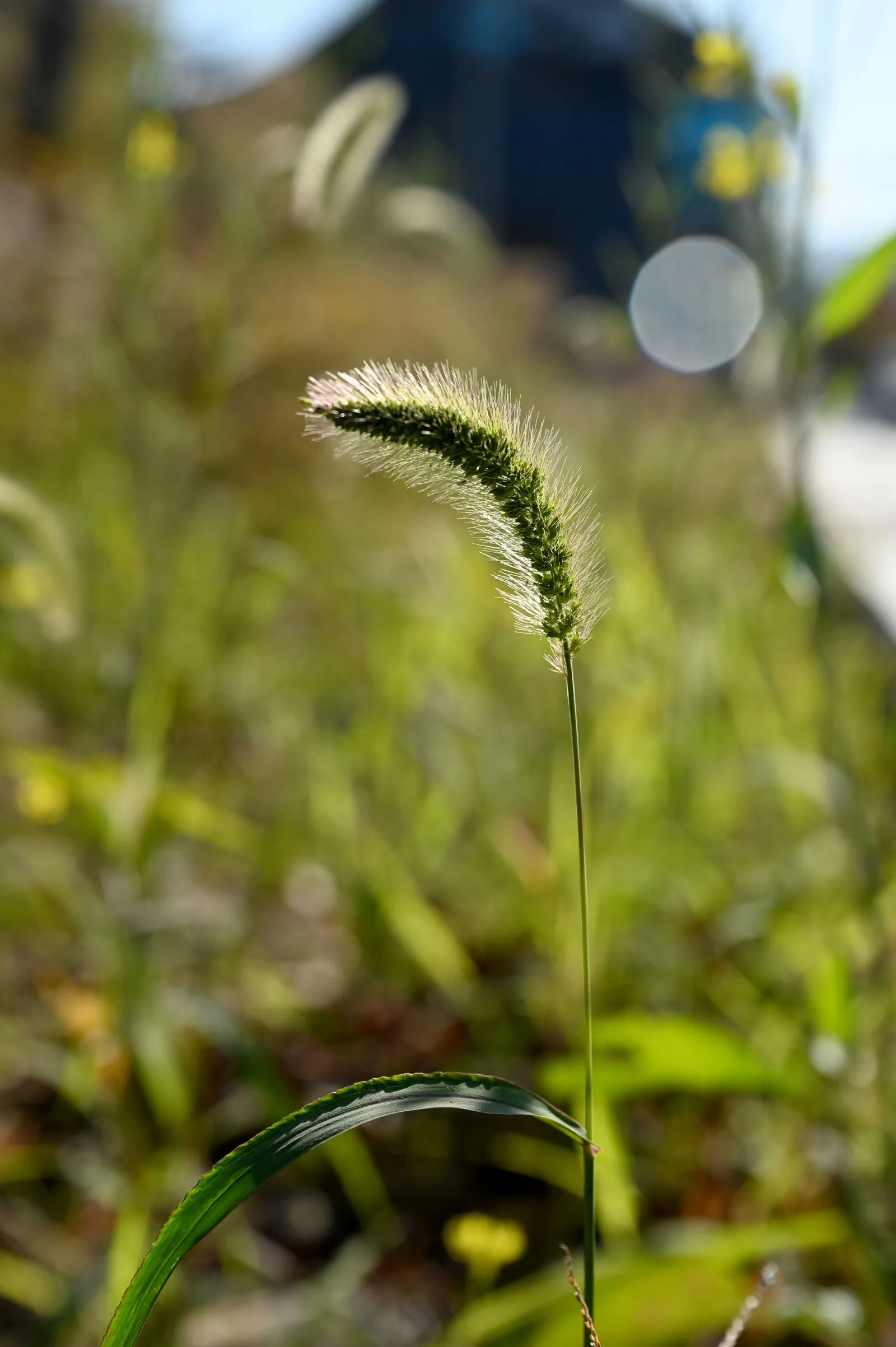
In California, foxtails (the dry, barbed seed heads of certain wild grasses) behave the same way. In a review of 754 dogs and 37 cats treated at a university teaching hospital over ten years, Philp, Epstein and Hopper (2022) found that most animals were seen in the summer months. In dogs, the ear canal was the most common site, followed by the skin and the area just beneath it, and the nose.
Which dogs are most at risk
- Spaniels and other feathered breeds. In the UK study, spaniel types were 7.7 times more likely than retriever types to have a grass seed recorded, and male dogs 1.4 times more likely than females.
- Medium and dense coats. In rural New South Wales, Hicks and colleagues (2016) found that affected dogs had about three times the odds of having a medium rather than a short coat — and were much less likely to be groomed.
- Busy, nose-down dogs that run through long grass and fields.
Signs to watch for
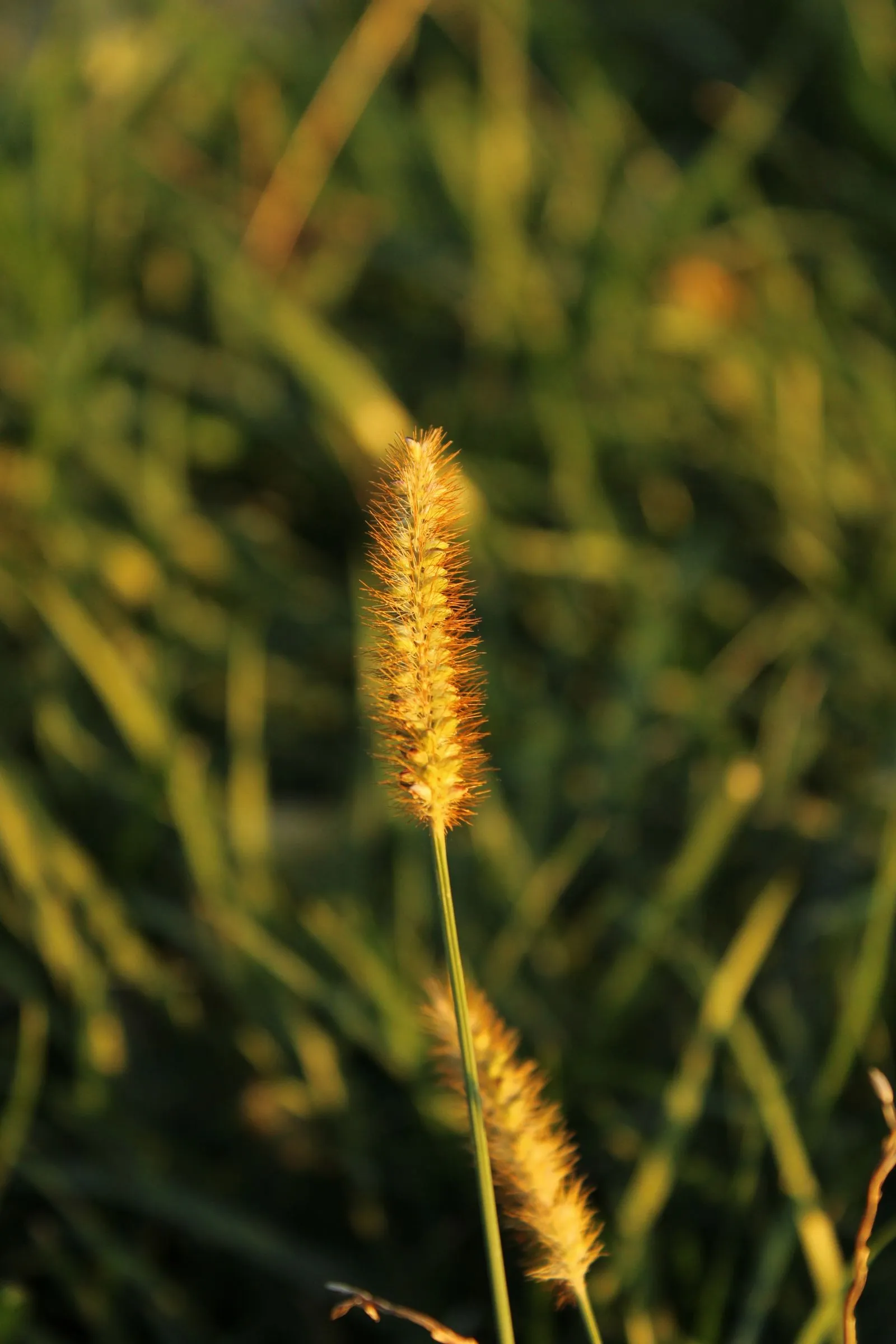
The San Francisco SPCA lists the most common places foxtails get stuck as between the toes, inside the ears, up the nose and in the eyes or mouth. Signs include:
- Paw: licking or chewing one spot, a red swelling between the toes, limping.
- Ear: sudden head shaking, scratching, holding the head tilted.
- Nose: sudden, violent sneezing or pawing at the nose, sometimes a nosebleed.
- Eye: squinting, tearing, rubbing the eye.
- Skin: a lump or small wound that doesn’t heal, often on the feet, armpits or groin.
Most cases are straightforward. Philp and colleagues found that the outcome for foxtail-related problems was good and most could be treated without a hospital stay, though a minority became life-threatening. Seeds can occasionally migrate deep into the body: Birettoni and colleagues (2017) describe 22 dogs needing abdominal surgery to remove plant material that had travelled into the muscles along the spine. In the New South Wales study, the most common problem in referral cases was infection in the chest.
In practice
After a July walk along a field edge, a young spaniel starts shaking her head and holding one ear low. Her owner looks in the ear, sees nothing and is tempted to wait. Remembering the breeder’s advice, he calls the vet the same afternoon, and the seed is removed from deep in the ear canal before it can cause more damage.
(Illustrative, composite scenario.)
What to do
- On the coat: seeds caught in the fur can be gently brushed or picked out.
- In the skin, ear, nose or eye: leave it to your vet. Many seeds need special instruments, and some dogs need sedation. Seeds under the skin of the foot can be hard to find; Schoenfeld and colleagues (2023) developed a step-by-step ultrasound protocol to help vets locate plant material in the lower leg.
- Act the same day for an eye, a sudden head shake or violent sneezing. Seeds keep moving forward.
Prevention that helps
- Check after every walk. The San Francisco SPCA advises looking closely at the paws, ears, nose and belly after time near dry grass or open fields.
- Trim in summer. Keep fur short around the feet and ears in spring and summer; ask your groomer for a “summer” or “foxtail” trim.
- Groom regularly. The New South Wales study suggests grooming is linked to fewer problems.
- Choose your route. Avoid tall, dry grass and overgrown verges during seed season, and stay alert on windy days.
- Tidy your own yard. Cut or remove seed-bearing grasses before they dry.
When to call your veterinarian
- Sudden head shaking, ear scratching or a tilted head after a walk.
- Violent or repeated sneezing, or a nosebleed.
- A squinting, watery or red eye — this is urgent.
- A swelling between the toes, limping or a wound that won’t heal.
- Coughing, fast breathing, lethargy or fever weeks after summer walks.
- If in doubt, call — your vet would rather hear from you early.
Work on it
A few minutes here will teach you more than re-reading the article.
Ask yourself
- Do I check my dog’s paws and ears after summer walks?
- Is the fur between my dog’s toes long and feathery?
- Are there seed-heavy grasses along our usual route?
Find out & check
- Ask your groomer about a summer trim for the feet and ears.
Do one thing
- Put a towel and a small brush by the door for a two-minute check after each walk.
Was this article helpful?
Anonymous. We do not store your name, email or IP address.
Sources & further reading
- Brant BJ, Singleton DA, Noble PJM, Radford AD (2022) — Seasonality and risk factors for grass seed foreign bodies in dogs. Preventive Veterinary Medicine 197:105499. doi.org
- Philp HS, Epstein SE, Hopper K (2022) — Clinical and clinicopathological characteristics, treatment, and outcome for dogs and cats with confirmed foxtail foreign body lesions: 791 cases (2009–2018). Journal of Veterinary Emergency and Critical Care 32:653–662. doi.org
- Hicks A, Golland D, Heller J, Malik R, Combs M (2016) — Epidemiological investigation of grass seed foreign body-related disease in dogs of the Riverina District of rural Australia. Australian Veterinary Journal 94:67–75. doi.org
- Birettoni F, Caivano D, Rishniw M, et al. (2017) — Preoperative and intraoperative ultrasound aids removal of migrating plant material causing iliopsoas myositis via ventral midline laparotomy: a study of 22 dogs. Acta Veterinaria Scandinavica 59:12. doi.org
- San Francisco SPCA (2026) — Protecting Your Pet From Foxtails. sfspca.org
- Schoenfeld E, Combs M, Callcott E, Jermyn K, Rotne R (2023) — The development of a systematic ultrasound protocol facilitates the visualization of foreign bodies within the canine distal limb. Frontiers in Veterinary Science 10:1298072. doi.org
Where evidence is limited, recommendations rest on established practice and expert judgment, and may be updated as knowledge develops. This is general information and does not replace advice from your veterinarian.
Next steps
- Read next: Seasonal allergies in dogs: itching, paws and ears.
- Related: A first aid kit and first aid basics for dog owners.
- Return to the guide: For your puppy buyers.