Every breeder makes decisions one mating at a time. A breed’s genetic health is the sum of thousands of those decisions across many breeders and many years. Population genetics is the layer that looks past any single litter to ask: is this breed’s gene pool healthy, and heading in a good direction? This guide brings together the individual tools covered earlier in this area into a population-level view.
The most important first
- A breed’s genetic health is a population-level outcome, not just a sum of individual matings.
- Effective population size, not headcount, is the real measure of a breed’s genetic health.
- Small or shrinking effective population size accelerates inbreeding and diversity loss breed-wide.
- No single breeder controls population outcomes, but every breeder’s choices contribute to them.
- This is where individual tools — COI, DNA testing, screening — add up to something bigger.
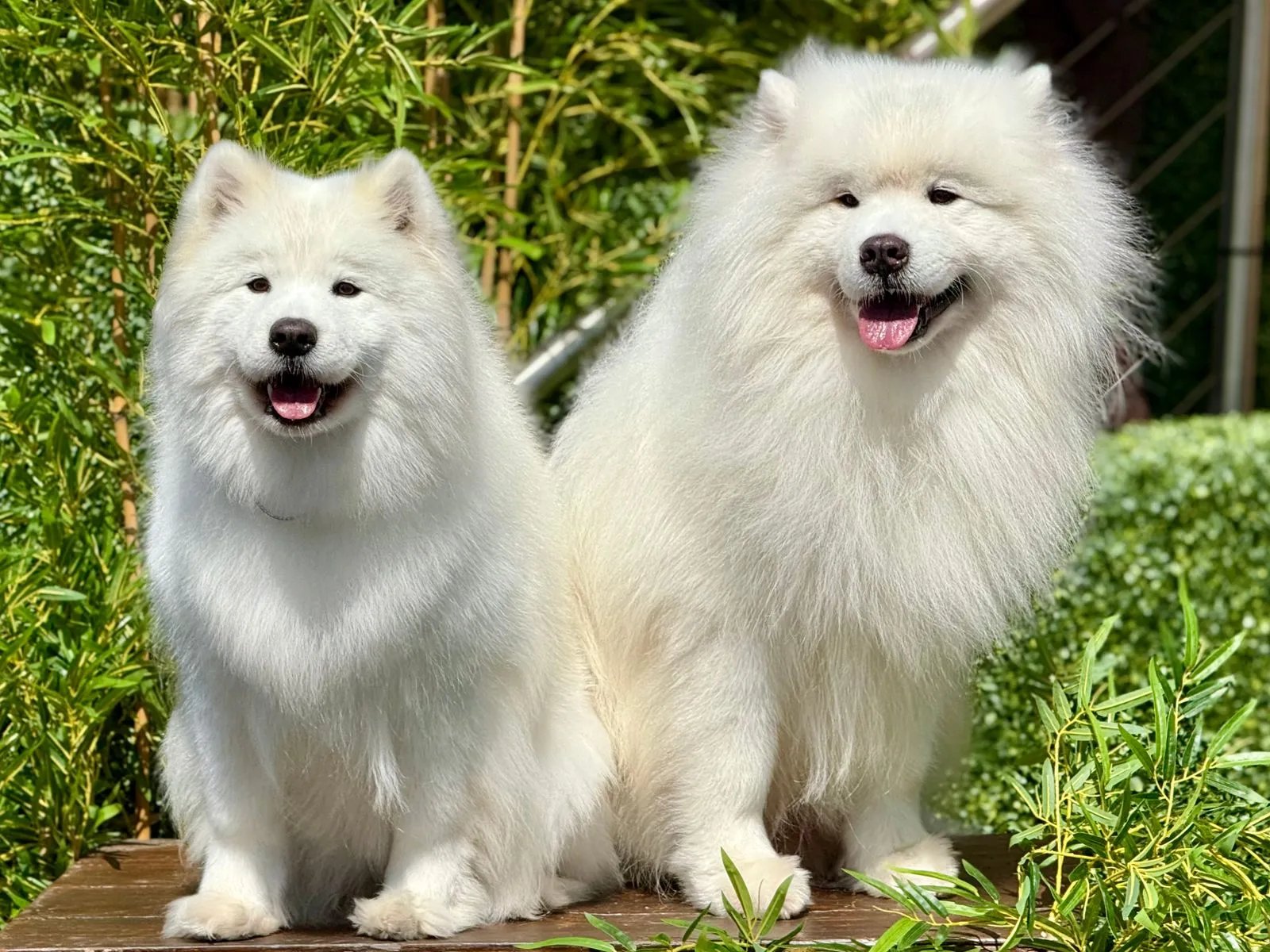
Effective population size: the number that actually matters
A breed can have thousands of registered dogs and still be in genetic trouble, because what matters isn’t the raw headcount but the effective population size — a measure of how many dogs are genuinely, evenly contributing genes to the next generation. If a small number of popular sires and dams account for a disproportionate share of matings, the effective population size can be a small fraction of the total registered population, and diversity erodes correspondingly faster than the raw numbers would suggest. This is the population-scale version of the popular sire effect covered in inbreeding, relatedness and genetic diversity.
As a rule of thumb, inbreeding across a breed rises by about 1 ÷ (2 × Ne) each generation, where Ne is the effective population size. A breed with an effective size of 100 gains roughly half a percent per generation; one with an effective size of 10 gains about five percent. UK pedigree data across more than 200 breeds found that the size of a breed’s registrations did not predict its rate of inbreeding — the heavy use of popular sires did. The same research found that rates fell after about 2000, so the trend can be turned.
Why this matters for every individual breeder
It’s tempting to think population genetics is a concern for breed clubs and researchers, not for a single breeder planning one litter — but population-level trends are made of individual decisions, and they also constrain what individual decisions remain safe over time. A breed with a shrinking effective population size will, generation by generation, present breeders with fewer genuinely unrelated mating options, higher average COI even among “sensible” pairings, and a narrowing pool of variation to select from for emerging health concerns. What looks like an individual breeder’s private choice of which stud to use is also, cumulatively, a contribution to where the whole breed’s gene pool is heading.
In practice
A breed club reviews population data and finds effective population size has fallen sharply over twenty years, despite steady or rising registration numbers. The cause traces to a handful of exceptionally popular sires used repeatedly across that period. The club begins actively promoting under-used but sound bloodlines and encouraging outcross matings — a population-level response to a problem no single breeder’s mating created alone, but that every breeder’s mating choices can help repair.
(Illustrative, composite scenario.)
What breeders and breed clubs can do together
At the population level, the tools are collective: breed clubs and registries publishing diversity and effective population size data so breeders can see the trend, not just their own dog’s numbers; actively encouraging use of under-represented bloodlines; setting voluntary or formal limits on how many litters a single popular sire produces; and, where a breed’s diversity has narrowed severely, considering carefully managed outcross programs. None of this replaces individual responsibility — checking COI, testing DNA, screening for health — but it’s the layer that determines whether those individual tools are working with a healthy gene pool or a shrinking one.
The FCI’s international breeding strategy suggests that no single dog should produce more than about 5% of the puppies registered in its breed over five years. The Royal Kennel Club adds a practical point for stud owners: track how many of your dog’s offspring go on to be bred, not just how many puppies he sires. If a club considers outcrossing, it should plan it with geneticists and make sure the outcross dogs do not become the next popular sires.
Work on it
A few minutes here will teach you more than re-reading the article.
Ask yourself
- Have I ever looked at population-level diversity data for my breed, not just my own dogs’ pedigrees?
- Do I know roughly how many distinct, actively-used bloodlines exist in my breed today?
- Would I consider using a sound but less popular stud to support the breed’s diversity, not just my own litter’s type?
Find out & check
- Find out whether your breed club or national registry publishes effective population size or diversity trend data.
- Check whether your breed has any formal or voluntary limits on how many litters a single sire can produce.
Do one thing
- Ask your breed club whether population-level diversity data exists for your breed, and if not, whether it’s something they’d consider tracking.
Was this article helpful?
Anonymous. We do not store your name, email or IP address.
Sources & further reading
- Lewis TW, Abhayaratne BM, Blott SC (2015), Canine Genetics and Epidemiology 2:13 — Trends in genetic diversity for all Kennel Club registered pedigree dog breeds. doi.org
- The Royal Kennel Club — Manage and maintain genetic diversity. royalkennelclub.com
- Fédération Cynologique Internationale — International Breeding Strategies. fci.be
- The Institute of Canine Biology — Why you should care about “effective population size”. instituteofcaninebiology.org
- Farrell LL et al. (2015), Canine Genetics and Epidemiology 2:3 — The challenges of pedigree dog health: approaches to combating inherited disease. doi.org
- Bannasch D et al. (2021), Canine Medicine and Genetics 8:12 — The effect of inbreeding, body size and morphology on health in dog breeds. doi.org
Where evidence is limited, recommendations rest on established practice and expert judgment, and may be updated as knowledge develops.
Next steps
- Read next: The evidence on inbreeding, diversity and longevity.
- Related: Inbreeding, relatedness and genetic diversity · Coefficient of inbreeding.
- Return to the area hub: Genetics and inherited health.