Germany regulates dog breeding mainly through two federal texts: the Animal Welfare Act (Tierschutzgesetz), which requires a permit for commercial breeding and bans breeding for heritable suffering, and the Animal Welfare Dog Ordinance (Tierschutz-Hundeverordnung), which sets concrete standards for keeping and breeding dogs.
The most important first
- Anyone who breeds dogs commercially (gewerbsmäßig) needs a permit from the competent authority under § 11 of the Animal Welfare Act.
- Breeding animals is banned when their offspring can be expected to suffer from heritable defects that cause pain, suffering or harm (§ 11b, the “Qualzucht” ban), and the authority can order such animals to be made infertile.
- Puppies may not be separated from their mother before eight weeks of age, unless a veterinarian considers it necessary.
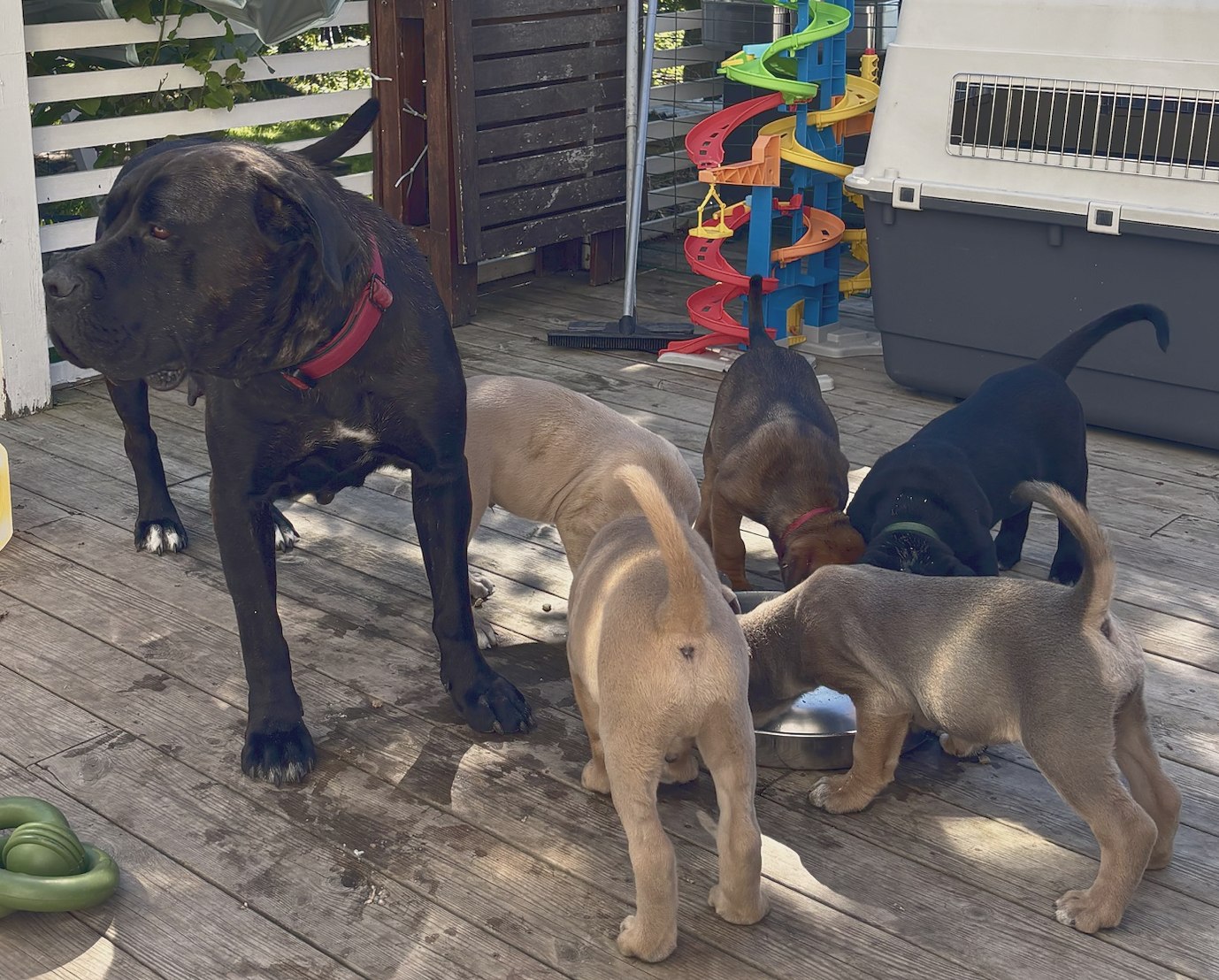
- In commercial breeding, one carer may look after no more than five breeding dogs and their puppies, and puppies up to 20 weeks old need at least four hours of contact with their carer every day.
- Dogs whose ears or tail were amputated in breach of animal welfare rules, or dogs with heritable defects that cause suffering, may not be shown at exhibitions or similar events.
Last updated: November 8, 2026
Rules last checked: November 8, 2026
We checked this page against the official sources listed below on the date above. Rules can change after that date, and no single page can cover every situation, so something that matters to you may have been amended since, or may not be covered here at all. Before you rely on it, check these as well:
- Your local authority: the competent authority decides whether your breeding is commercial and inspects; ask it before you plan more litters.
- Your federal state: state dog laws can add rules on identification, registration and keeping dogs; check the rules where you live.
- The ordinance: the Dog Ordinance and § 11b can be amended or specified by new ordinances; check the current text on gesetze-im-internet.de.
- EU rules: the EU welfare and traceability regulation applies in Germany from 2028 — see the European Union page.
- Business obligations: a breeding business has registration and tax obligations of its own.
Check the current rules at the source before each breeding year and before any sale that is new to you, such as a first litter or a first buyer in another state or country. Ask the authority in writing when the answer matters, and keep a dated note of what you checked and what you were told.
Last updated: November 8, 2026
Who needs a permit
Under § 11(1) no. 8a of the Animal Welfare Act, anyone who commercially breeds or keeps vertebrates other than farm animals needs a permit from the competent authority. The same section requires a permit for commercial trading in animals, for running animal exchanges, and for bringing animals into Germany for payment or arranging their sale. The Act itself does not define when dog breeding becomes commercial; see the note below. The general structure of breeding law is in laws, regulations and kennel clubs.
The Dog Ordinance: keeping and breeding standards
The Animal Welfare Dog Ordinance applies to everyone who keeps or breeds dogs, not only to commercial breeders. Among its rules:
- Contact: dogs need exercise outside their kennel, several periods of real contact with their carer every day, and regular contact with other dogs. Puppies up to 20 weeks old need at least four hours of contact with a carer each day.
- Separation: puppies may not be separated from their mother before eight weeks, unless a veterinarian considers early separation necessary to prevent pain, suffering or harm.
- Whelping: a whelping box must be ready at least three days before the expected birth and kept until the puppies are weaned, and puppies kept indoors need daily outdoor exercise from five weeks of age.
- Commercial breeding: one carer must be available for every five breeding dogs and their puppies, and one carer may look after no more than three bitches with litters at the same time. The carer must show the authority that they have the necessary knowledge and skills.
- Training and tethering: spiked collars and other painful training aids are banned, and keeping dogs tethered is banned, with narrow exceptions for working dogs.
- Shows: dogs whose ears or tail have been amputated against animal welfare rules, or whose heritable defects cause pain, suffering, harm or behavioral disorders, may not be exhibited or judged.
The ordinance was last amended in November 2021, with the changes to group housing, breeding and tethering applying from January 1, 2023.
Breeding for heritable suffering
Section 11b of the Animal Welfare Act bans breeding vertebrates when breeding knowledge indicates that the offspring will have heritable missing, unsuitable or deformed body parts or organs that cause pain, suffering or harm, heritable behavioral disorders linked to suffering, or will only be able to live or interact with other dogs with pain, avoidable suffering or harm. The competent authority can order such animals to be made infertile. The Act allows the federal ministry to specify these traits by ordinance. Our article on litter limits and age rules compares breeding limits in other countries.
Selling a puppy
Puppies may not leave their mother before eight weeks. The federal rules we read do not set a separate minimum selling age, an advertising requirement or a national microchip requirement. Check your federal state’s rules on identification and registration before your first litter, and record each puppy’s chip number in your kennel records.
The EU rules
Germany follows the EU rules on pet movement, and the new EU regulation on the welfare and traceability of dogs and cats will apply here from 2028. Both are set out on our European Union page. See also exporting puppies and international sales.
What the kennel clubs say
The Verband für das Deutsche Hundewesen (VDH) sets minimum breeding rules that its breed clubs must follow and add to. In the version we read, a bitch may not be bred before 15 months or, without her breed club’s case-by-case approval, after her 8th year; she should not raise more than two litters within 24 months; she is excluded from breeding after two litters by cesarean section; males may not be used before 12 months; parent–offspring, full-sibling and half-sibling matings are banned; and puppies may be handed over only after eight weeks, identified by chip or tattoo.
The VDH’s rules build on the FCI’s International Breeding Rules, which themselves set no age or litter limits.
Source: VDH-Zucht-Ordnung (as of August 1, 2021) and FCI, International Breeding Rules. National kennel clubs may set stricter rules.
Last updated: November 8, 2026
Not confirmed, but worth noting
- When breeding counts as commercial. Administrative guidance is widely cited as treating dog breeding as commercial from three breeding bitches or three litters a year; we could not open that guidance.
- Identification and registration. Several federal states have their own dog laws on microchips and registers; we did not check them.
- The current VDH text. We read the 2021 version, published by a member club; check the current version with the VDH or your breed club.
We could not confirm these points in the official text on the date checked, so treat them as questions to put to your authority, not as rules.
Last updated: November 8, 2026
In practice
A breeder with four breeding bitches plans her next litters. She checks with her local veterinary office whether her breeding counts as commercial, prepares to show her knowledge as a carer, and plans her time so that each litter gets at least four hours of contact a day until the puppies leave. As a VDH member she checks the youngest bitch against the 15-month minimum and keeps the two-litters-in-24-months rule in her breeding plan.
(Illustrative, composite scenario.)
Work on it
A few minutes here will teach you more than re-reading the article.
Ask yourself
- Does my breeding count as commercial, and do I need a permit under § 11?
- Can I give each litter at least four hours of contact a day until 20 weeks or until the puppies leave?
- Could any of my planned matings fall under the § 11b ban?
Find out & check
- Ask your local veterinary office how it decides whether dog breeding is commercial, and what your state requires for identification.
Do one thing
- Write down, for each breeding dog, any heritable defect in the line and how your matings avoid it.
Was this article helpful?
Anonymous. We do not store your name, email or IP address.
Sources & further reading
- Gesetze im Internet — Tierschutz-Hundeverordnung (TierSchHuV), last amended November 25, 2021. gesetze-im-internet.de
- Gesetze im Internet — Tierschutzgesetz, § 11 (permits). gesetze-im-internet.de
- Gesetze im Internet — Tierschutzgesetz, § 11b (breeding for heritable defects). gesetze-im-internet.de
- Verband für das Deutsche Hundewesen (VDH) — VDH-Zucht-Ordnung (as of August 1, 2021), published by a member club. jagdspaniel-klub.de
- Your Europe — Travelling with pets and other animals in the EU. europa.eu
- Fédération Cynologique Internationale — International Breeding Rules of the FCI. fci.be
Where evidence is limited, recommendations rest on established practice and expert judgment, and may be updated as knowledge develops. This is general information, not legal or financial advice: requirements differ between jurisdictions and change over time — confirm the current rules with the authority named here and have your own situation reviewed by a qualified professional where you breed.
Next steps
- Read next: Breeding and selling puppies in the European Union.
- Related: Breeding and selling puppies in France · Pre-breeding regulatory checklist: what to confirm before you breed.
- Return to the area hub: Becoming a responsible breeder.