The Netherlands sets its rules for dog breeders in the Animal Keepers Decree (Besluit houders van dieren). It limits every bitch to one litter in twelve months, bans breeding in ways that harm the health or welfare of parents or puppies, sets the age at which puppies may leave their mother, and adds registration, training and information duties for anyone who breeds commercially.
The most important first
- A bitch may have no more than one litter in any 12-month period, whoever breeds her.
- Breeding companion animals in a way that harms the welfare or health of the parent or the offspring is banned, including passing on serious hereditary diseases, harmful physical traits and serious behavioral problems, as far as possible.
- Puppies may not be separated from their mother before seven weeks of age.
- Commercial breeders and sellers must register their premises, employ a manager with a recognized certificate of competence, keep records, and give each buyer written information on care and health, including proof of vaccination.
- No one may acquire a dog that has no microchip, identification document or registration, and pets may not be sold to anyone under 16.
Last updated: November 8, 2026
Rules last checked: November 8, 2026
We checked this page against the official sources listed below on the date above. Rules can change after that date, and no single page can cover every situation, so something that matters to you may have been amended since, or may not be covered here at all. Before you rely on it, check these as well:
- Commercial or not: whether your breeding counts as commercial decides which rules apply; ask RVO or the NVWA if you are unsure.
- Ministerial regulations: deadlines for chipping, passports and registration, and the vaccination rules for sellers, are set in a ministerial regulation; check the current version.
- Breeding policy on harmful traits: the ban on harmful breeding can be applied to specific traits and breeds; check current guidance before you plan a mating.
- EU rules: the EU welfare and traceability regulation applies in the Netherlands from 2028 — see the European Union page.
- Business obligations: a breeding business has registration and tax obligations of its own.
Check the current rules at the source before each breeding year and before any sale that is new to you, such as a first litter or a first buyer in another state or country. Ask the authority in writing when the answer matters, and keep a dated note of what you checked and what you were told.
Last updated: November 8, 2026
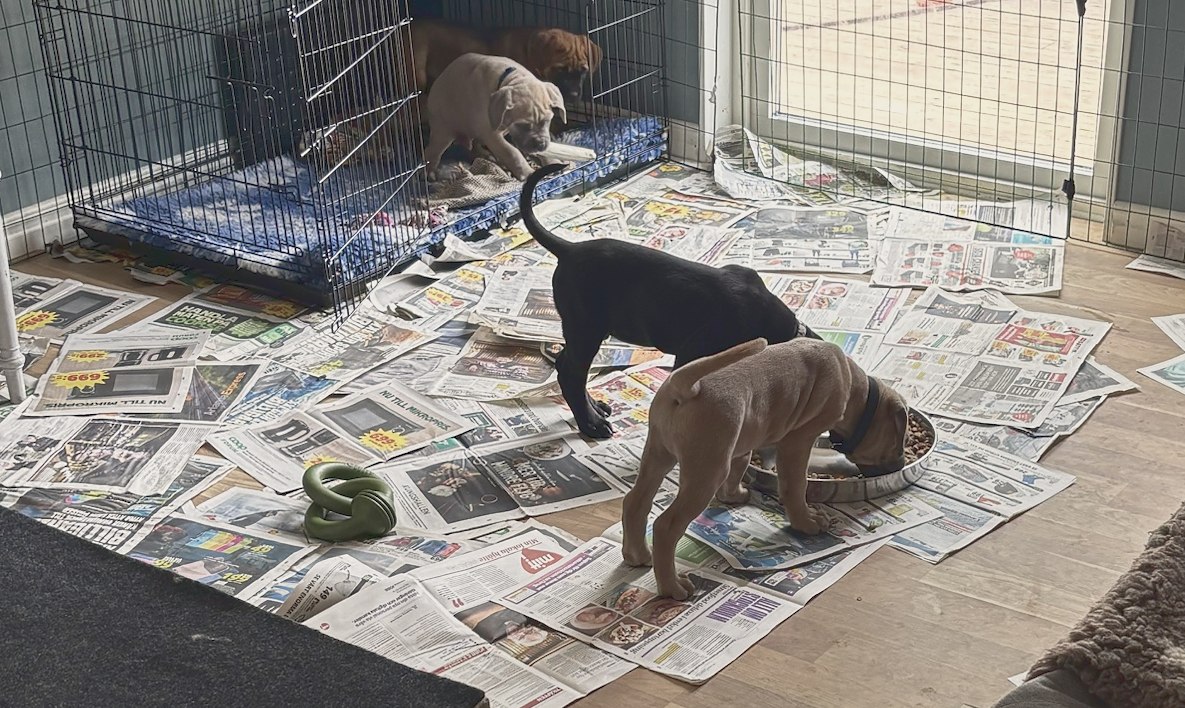
Breeding rules for every breeder
Article 3.4 of the Animal Keepers Decree bans breeding companion animals in a way that harms the welfare and health of the parent animal or the offspring. As far as possible, breeders must prevent serious hereditary defects and diseases, physical traits that harm welfare or health, and serious behavioral problems from being passed on, prevent unnatural reproduction, and keep the number of litters or offspring from harming the health or welfare of the animal or its puppies. A dog may have no more than one litter within any 12-month period. The general structure of breeding law is in laws, regulations and kennel clubs, and litter limits and age rules compares limits in other countries.
Under Article 1.20, puppies may not be separated from their mother before seven weeks of age.
Commercial breeders and sellers
Under Articles 3.6 to 3.23, anyone who sells, keeps for sale, hands over, shelters or breeds companion animals for sale must meet extra rules, unless they can show that they are not acting commercially. The activities must take place in premises registered with the ministry before they start, or, under conditions, at a registered exhibition, fair or market. The premises need a manager with a certificate of competence recognized by the minister. The breeder must keep records of where the animals come from and their vaccinations for at least two years, have a daily health protocol and rooms for quarantine, isolation and sick animals, let dogs spend time outside their pen every day, and make sure puppies are socialized with people, other animals and the conditions they will live in.
At the sale, the buyer must receive written or digital information on the animal’s care, housing, behavior and costs, and all relevant information on its health, including proof of vaccination. Pets may not be sold to anyone under 16, and may not be kept or displayed in a shop window.
Identification and registration
Every dog in the Netherlands must be registered. Under Articles 3.25 to 3.32, a dog must carry a microchip implanted by a registered chipper or veterinarian, have an identification document, and be registered through a portal designated by the ministry. A keeper whose dog has produced puppies must register with the Netherlands Enterprise Agency (RVO), and commercial keepers receive a unique business number (UBN) for the location. No one may acquire a dog that has no microchip, identification document or registration. RVO’s step-by-step plan for breeders is: microchip the puppies, arrange the EU pet passport, register the puppies, and report them out when they leave. Keep the chip numbers in your kennel records.
The EU rules
The Netherlands follows the EU rules on pet movement, and the new EU regulation on the welfare and traceability of dogs and cats will apply here from 2028. Both are set out on our European Union page. See also exporting puppies and international sales.
What the kennel clubs say
The Raad van Beheer op Kynologisch Gebied is the club listed for the Netherlands by the FCI. In FCI countries, national kennel clubs set their breeding rules on top of the FCI’s International Breeding Rules, which themselves set no age or litter limits. The legal limit of one litter in 12 months applies to every breeder, whether or not the litter is registered with the Raad van Beheer.
Source: FCI, International Breeding Rules. National kennel clubs may set stricter rules.
Last updated: November 8, 2026
Not confirmed, but worth noting
- Deadlines for chipping and registering puppies. These are set in a ministerial regulation that we did not open.
- How the harmful-breeding ban is applied to short-muzzled breeds. Dutch policy on breeding brachycephalic dogs is widely reported; we did not confirm the current criteria in an official source.
- The Raad van Beheer’s own rules. We could not open the club’s breeding regulations.
We could not confirm these points in the official text on the date checked, so treat them as questions to put to your authority, not as rules.
Last updated: November 8, 2026
In practice
A breeder in the Netherlands has a bitch that whelped in March and comes into season again in October. Because the law allows only one litter in 12 months, she skips that season. With several litters a year across her dogs, she checks with RVO whether her breeding counts as commercial, registers the location for a UBN, and enrolls in a recognized course for the certificate of competence.
(Illustrative, composite scenario.)
Work on it
A few minutes here will teach you more than re-reading the article.
Ask yourself
- Does each of my bitches stay within one litter in 12 months?
- Could I be seen as breeding commercially, and have I registered my premises and the right qualifications?
- Is every puppy chipped, documented and registered before it changes hands?
Find out & check
- Read RVO’s registration rules for breeders and check the current deadlines for chipping and registering puppies.
Do one thing
- Write a buyer information sheet covering care, housing, behavior, costs and health, and attach the vaccination record.
Was this article helpful?
Anonymous. We do not store your name, email or IP address.
Sources & further reading
- Overheid.nl — Besluit houders van dieren (version in force from July 7, 2026), Articles 1.20, 3.4 and 3.6–3.32. wetten.overheid.nl
- Netherlands Enterprise Agency (RVO) — Identificatie en registratie honden (checked May 4, 2026). rvo.nl
- Netherlands Enterprise Agency (RVO) — Registratieregels voor hondenfokkers (checked March 21, 2025). rvo.nl
- Your Europe — Travelling with pets and other animals in the EU. europa.eu
- Fédération Cynologique Internationale — International Breeding Rules of the FCI. fci.be
Where evidence is limited, recommendations rest on established practice and expert judgment, and may be updated as knowledge develops. This is general information, not legal or financial advice: requirements differ between jurisdictions and change over time — confirm the current rules with the authority named here and have your own situation reviewed by a qualified professional where you breed.
Next steps
- Read next: Breeding and selling puppies in Germany.
- Related: Breeding and selling puppies in the European Union · Pre-breeding regulatory checklist: what to confirm before you breed.
- Return to the area hub: Becoming a responsible breeder.