A mating agreement isn’t just paperwork for paperwork’s sake — it’s what prevents an honest misunderstanding from turning into a dispute later. This guide covers what a good agreement actually needs to cover, and why it matters even between breeders who trust each other.
The most important first
- A written agreement protects both parties, even when they know and trust each other.
- Fee structure (flat fee, pick of litter, or a combination) should be agreed and written down before mating, not after.
- What happens if the bitch doesn’t conceive needs its own clause — don’t leave it to be sorted out afterward.
- Health testing expectations for both dogs should be documented, not just assumed.
- Registration paperwork responsibilities should be assigned clearly, with a timeframe.
Why a written agreement matters even between friends
It’s tempting to treat a mating agreement as unnecessary between breeders who know each other well, but most disputes come from an honest difference in what each party assumed, not from bad faith — and a short written agreement, signed before the mating happens, closes almost all of that gap in advance. This is separate from, and in addition to, the pre-breeding health checks both dogs should have completed — the agreement records the health results and makes them a condition of the mating, but it doesn’t replace the checks themselves.
What the agreement should cover
At minimum, a mating agreement should identify both dogs and owners clearly, state the agreed fee structure — a flat fee, pick of the litter, a combination, or another arrangement — and specify payment timing. It should address what happens if the bitch doesn’t conceive: whether a repeat mating is offered at no extra cost, whether any fee is refunded, and how many attempts are covered. Health testing that both dogs have completed, and copies of results, are worth attaching or referencing directly. Finally, it should state who is responsible for registration paperwork and by when, since this is a common source of delay and frustration if left unclear.
If the agreement doesn’t say otherwise, many registries and the FCI breeding rules treat a correctly performed mating as earning the stud fee, whether or not puppies follow. So any free repeat mating or partial refund must be written down before the mating. Say how long a repeat offer lasts and what happens if the stud dies or is sold first. Some agreements also provide for a refund if a semen evaluation later shows the stud was infertile at the time.
What the kennel clubs say
Under the FCI’s International Breeding Rules (Articles 11–12), which apply in all FCI member countries unless the parties agreed otherwise in writing:
- A puppy as the stud fee only counts if it was agreed in writing before the mating, including when the puppy is chosen and collected, who pays for transport, and what happens if puppies are stillborn or there are too few.
- A correct mating earns the stud fee even if the bitch does not conceive. A free repeat mating or partial refund must be agreed in writing before the mating, and a free repeat lapses if the stud dog dies or changes owner, or the bitch dies.
- If a semen analysis shows the stud dog was infertile at the time of the mating, the bitch owner gets the stud fee back.
Source: FCI, International Breeding Rules. National kennel clubs may set stricter rules.
Last updated: November 8, 2026
Rules change, so always check with your own kennel club.
Registry rules can delay a litter if paperwork is missed. For example, the AKC requires a DNA profile for a sire with seven or more lifetime litters or more than three in a year, and for sires of chilled or frozen-semen litters, and AI litters need their own forms. The CKC requires DNA parentage for many foreign sires. The agreement should say who arranges these and by when.
Health status as a condition of mating
The agreement should name the health test results each dog has, with dates, and make a current negative Brucella canis test for both dogs a condition of the mating. A responsible stud owner will ask for the bitch’s result from before this cycle, and a bitch owner can reasonably ask for the stud’s most recent result. Agree what happens if either dog’s test is not current on the day.
If the bitch stays with the stud owner
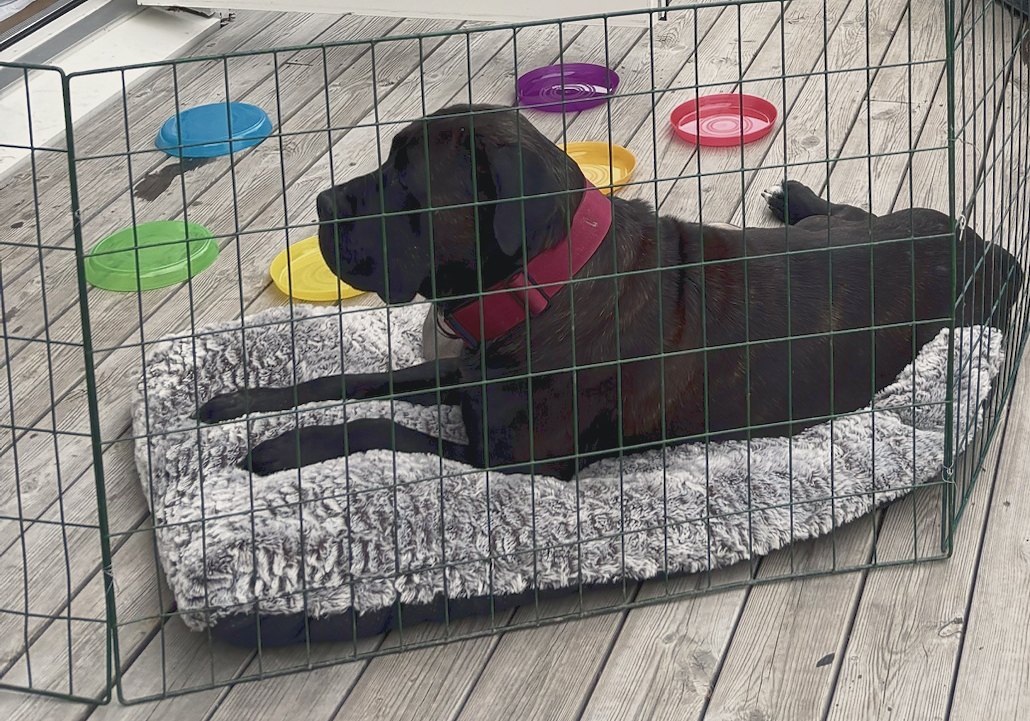
Agree in advance who pays for boarding, food and any veterinary care, how she gets home, and what happens if she is injured or becomes ill. The stud owner should mate her only to the named dog, and should tell you at once if an accidental mating with another dog occurs. Stud owners may want to check that their liability insurance covers visiting dogs.
In practice
Two breeders agree verbally on a “pick of the litter” stud fee, without discussing what happens if only two puppies are born. When the litter turns out smaller than expected, both parties genuinely remember the conversation differently — not out of dishonesty, but because it was never actually specified. A short written agreement covering exactly this scenario, signed before the mating, would have made the outcome clear to both from the start.
(Illustrative, composite scenario.)
(Illustrative, composite scenario.)
Keeping it proportionate
A mating agreement doesn’t need to be a lengthy legal document to be useful — it can be short, as long as it covers the points above, includes a declaration from each party, and is signed by both, with a signed copy for each. For more complex arrangements (a “return service” clause, an unusually high-value stud, or an agreement across different countries), it’s worth having a lawyer (solicitor) review the wording, but the core content matters more than the length.
Talk to your vet when planning: agree that both dogs have a current Brucella canis result before mating, and postpone and ask your vet if either result is positive, unclear or out of date.
Work on it
A few minutes here will teach you more than re-reading the article.
Ask yourself
- Would my current arrangement with this stud/bitch owner survive a genuine, good-faith disagreement about what was agreed?
- Have we actually written down what happens if the bitch doesn’t conceive?
- Is it clear, in writing, who handles registration paperwork and by when?
Find out & check
- Find out whether your breed club or kennel club provides a template mating or stud service agreement.
- Check that both dogs’ health testing is documented and referenced in the agreement, not just assumed known.
Do one thing
- Draft or request a written agreement for your next planned mating before the mating date is confirmed.
Was this article helpful?
Anonymous. We do not store your name, email or IP address.
Sources & further reading
- The Royal Kennel Club — Guide to Content of Stud Dog Contract (PDF). royalkennelclub.com
- FCI — International Breeding Rules (amended 2022, PDF). fci.be
- American Kennel Club — Frequently Used Sires Requirement. akc.org
- American Kennel Club — Artificial Insemination (registration requirements). akc.org
- Canadian Kennel Club — Policy & Procedures Manual, Chapter 4: Registration. ckc.ca
- Merck Veterinary Manual — Breeding Soundness Examination of Male Dogs. merckvetmanual.com
Where evidence is limited, recommendations rest on established practice and expert judgment, and may be updated as knowledge develops. This is general information, not legal advice — consult a lawyer (solicitor) for agreements involving significant value or unusual terms.
Next steps
- Read next: Stud service contract template (tool).
- Related: Pre-breeding examinations and reproductive health checks.
- Return to the area hub: Reproduction and fertility.