Between choosing a mating and confirming a pregnancy lies a whole area of its own: reproduction and fertility. Getting a healthy bitch and a suitable stud successfully mated, at the right time, safely, is a distinct skill set from the planning covered in Building a breeding program and the science in Genetics and inherited health — and it’s where good planning either becomes a litter, or doesn’t.
The most important first
- Reproduction covers everything from anatomy and hormones to timing, mating and fertility investigation.
- Timing the mating correctly is the single highest-leverage skill in this area.
- Natural mating and artificial insemination are both legitimate tools with different uses.
- Reproductive infections and pre-breeding health checks protect both dogs and the pregnancy.
- Infertility, when it happens, is investigable — it usually has an identifiable cause.
What this area covers
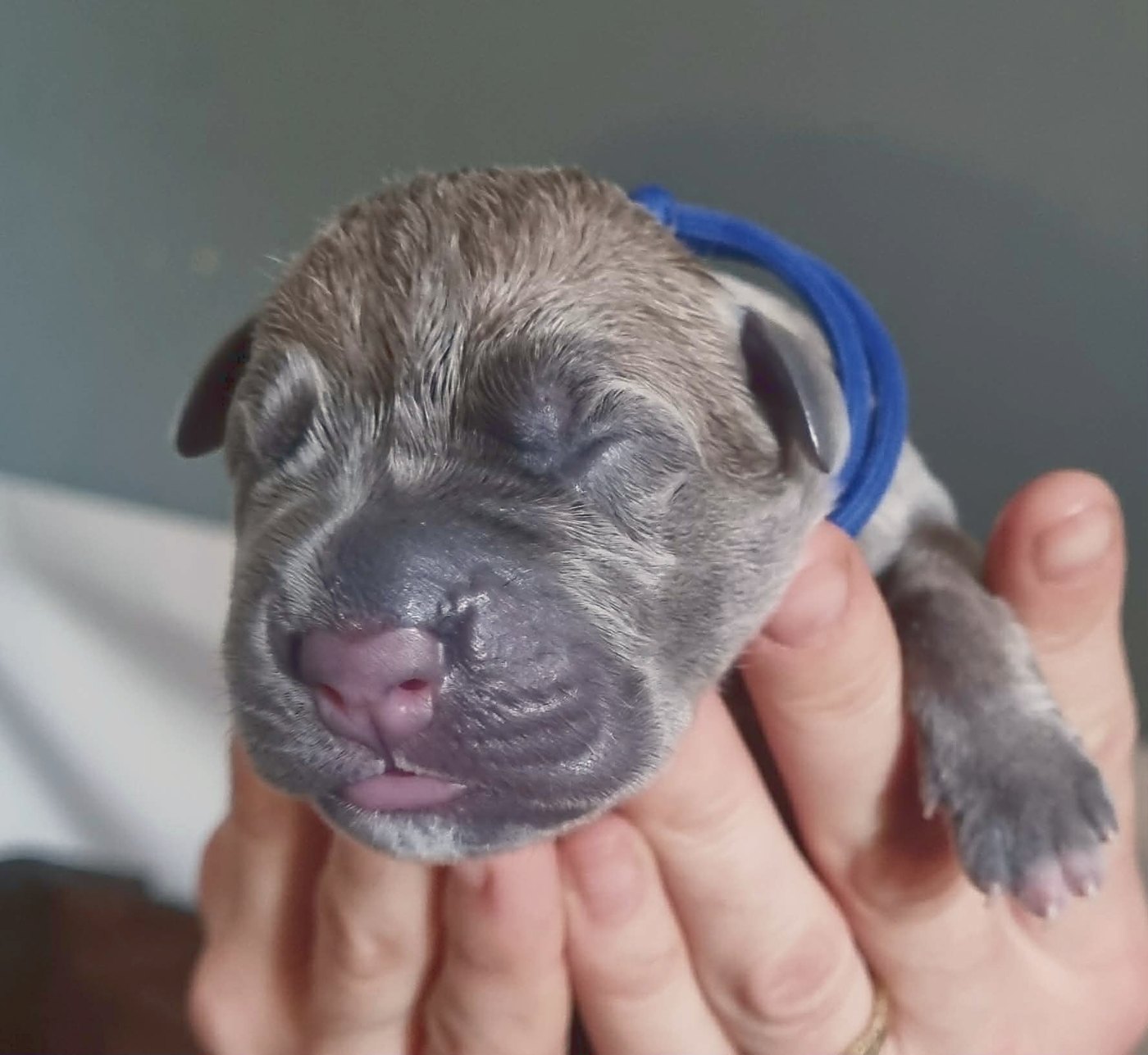
This area moves through the reproductive process in order. It starts with anatomy and physiology — how the bitch’s and stud dog’s reproductive systems actually work — because timing, mating and fertility troubleshooting all depend on understanding the underlying biology. It then covers the heat cycle and hormones, which is what makes precise timing possible, including the progesterone testing that has become standard practice for anything beyond guesswork. Natural mating and artificial insemination (fresh, chilled and frozen semen) are covered as complementary tools, each suited to different situations. Reproductive infections, including Brucella canis, are covered because they can silently end a breeding career if not screened for. And the area closes with infertility investigation and the practical matters of pre-breeding health checks and mating agreements — the paperwork and health checks that should happen before, not after, a mating is attempted.
Brucella canis and the pre-breeding exam
Brucella canis is a bacterial infection that causes infertility, late pregnancy loss and testicle problems, and it can also infect people. There is no reliable cure, so infected dogs are normally retired from breeding. Veterinary guidance is to test the bitch before each breeding and the stud dog at least once a year, and to mate only dogs with a current negative result. A negative test taken within two to three weeks of possible exposure may not be reliable, so ask your vet about retesting after any unplanned contact. In some countries and US states a positive result must be reported to the authorities, so ask your veterinarian what applies where you live.
A pre-breeding examination is about more than a general health check. For the bitch it usually includes a check of the vaginal canal for narrowing (strictures) that could make mating or whelping difficult, a look at the nipples, and, for older bitches — often from around five years — bloodwork. For the stud, it includes an examination of the genitals, a semen evaluation and a Brucella test.
Why timing is the highest-leverage skill here
Of everything in this area, correctly timing a mating to the bitch’s fertile window has the single biggest effect on whether a mating succeeds at all. A mating that happens even a few days off the fertile window can fail entirely, regardless of how sound both dogs are — which is why timing the mating and progesterone testing get dedicated treatment in this area, rather than being treated as a footnote to “natural mating.”
There is some nuance. Fresh semen from a fertile stud can survive in the reproductive tract for several days, so a natural mating that is a little early sometimes still results in a litter. Chilled and especially frozen semen survive for a much shorter time, which leaves far less margin for error and makes accurate hormone timing essential.
How this area connects to the rest of the Knowledge Bank
Reproduction sits between strategy and the physical process of pregnancy: the breeding systems and goals from Area 2, informed by the genetics in Area 3, determine which dogs should be mated; this area is about actually achieving a successful mating between them. Once a pregnancy is confirmed, the Pregnancy area takes over. Health screening and DNA testing from Area 3 should generally be complete before the pre-breeding examinations covered later in this area — reproduction works best as the last confirming step, not the first health check.
When to call your vet
- Your bitch or stud has a positive or unclear Brucella canis result, or has had contact with a dog of unknown Brucella status — talk to your vet before any mating.
- A pre-breeding exam is due: book it well before the expected season, not once she is already in heat.
- After a mating, the male’s penis does not return fully into its sheath within a few minutes — this is an emergency.
- A bitch who has been bred or was in heat in the last one to two months is lethargic, off her food, vomiting, drinking much more, or has a pus-like or bloody discharge — call the same day, as this can be pyometra.
- You have had two or more failed matings despite hormone timing — ask about a fertility investigation.
- If in doubt, call — your vet would rather hear from you early.
Work on it
A few minutes here will teach you more than re-reading the article.
Ask yourself
- Do I understand my bitch’s or stud dog’s reproductive anatomy well enough to recognize when something’s abnormal?
- Am I planning to time a mating by calendar guesswork, or with proper hormone testing?
- Do I know which reproductive infections are relevant to check for before a mating in my area?
Find out & check
- Find out which progesterone testing options are available to you locally.
- Check what pre-breeding health screening your vet recommends before a mating.
Do one thing
- Write down, in order, the reproduction-related steps you’ll need to complete before your next planned mating.
Was this article helpful?
Anonymous. We do not store your name, email or IP address.
Sources & further reading
- Merck Veterinary Manual — Breeding Management of Bitches. merckvetmanual.com
- UC Davis School of Veterinary Medicine — Breeding Management of the Bitch. healthtopics.vetmed.ucdavis.edu
- Merck Veterinary Manual (Pet Owner Version) — Infertility in Dogs. merckvetmanual.com
- Merck Veterinary Manual — The Breeding Soundness Examination in Dogs and Cats. merckvetmanual.com
- Merck Veterinary Manual — Overview of Brucellosis in Dogs. merckvetmanual.com
- GOV.UK (Defra and APHA) — Canine brucellosis: general information for veterinary staff. gov.uk
- FCI — International Breeding Strategies. fci.be
Where evidence is limited, recommendations rest on established practice and expert judgment, and may be updated as knowledge develops.
Next steps
- Read next: The bitch’s reproductive system explained.
- Related: Building a breeding program · Genetics and inherited health · Natural mating: what to expect and how to help it go smoothly.
- This area follows planning and genetics, and precedes Pregnancy.
- Also in this area: Reproductive infections and how to prevent them.
- Related emergency: Pyometra in the breeding bitch: signs, timing and what to do.