Knowing roughly what’s happening inside a pregnant bitch week by week helps make sense of when checks are timed the way they are, and why certain weeks matter more than others. This guide walks through the timeline from fertilization to full-term.
The most important first
- Canine gestation lasts approximately 63 days from ovulation (about 64–66 days from the LH surge), with some natural variation.
- Implantation happens around 17–21 days after ovulation — well after mating itself.
- Rapid fetal growth is concentrated in the final third of pregnancy, weeks six and seven.
- Skeletons start to show on X-ray at about days 42–45; a reliable puppy count comes later, from about day 55.
- Litter size and breed size both affect how the pregnancy unfolds week to week.
A note on day counts: day numbers in this article are approximate and counted from ovulation, the date progesterone testing pins down. The LH surge comes about two days before ovulation, so a count “from the LH surge” runs about two days higher. If you only know the mating dates, her true day of pregnancy may be several days earlier or later, so allow a margin either way. Where a figure counts from the first mating or from the LH surge instead, the text says so.
Weeks one and two: fertilization and implantation
After a successful mating, fertilization happens in the oviducts, and the resulting embryos travel to the uterus over the following days. Implantation — where the embryos attach to the uterine wall and pregnancy properly “begins” from a physiological standpoint — happens around 17 to 21 days after ovulation, not immediately after mating. Sources differ slightly because they count from different starting points: one veterinary manual puts implantation at about day 18, while a Cornell reproduction specialist describes attachment at about days 16–18 and deeper invasion around day 21, counted from the LH surge. This delay is part of why very early pregnancy testing isn’t reliable: there simply isn’t enough happening yet to detect.
Weeks three to five: organ formation and early growth
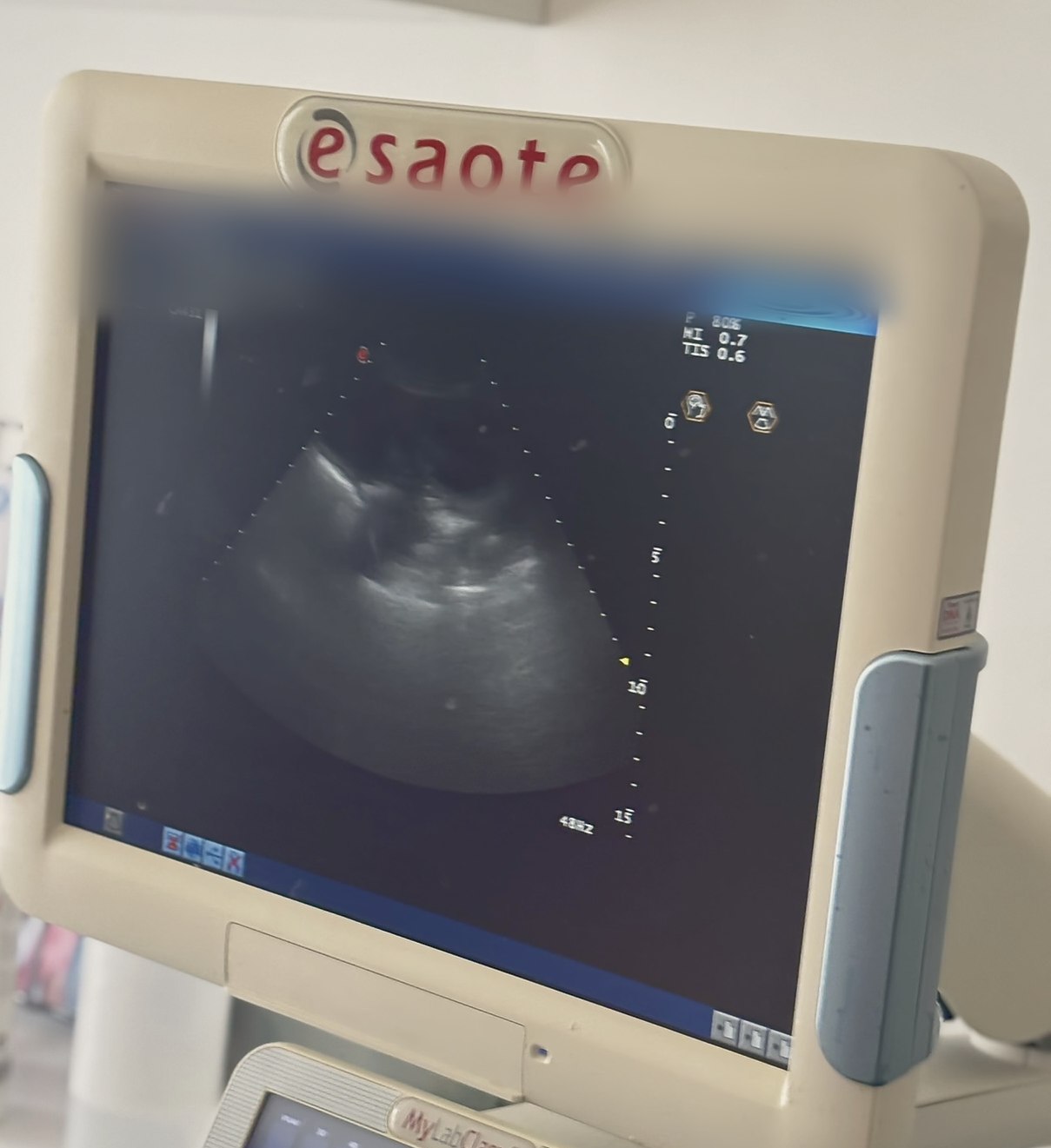
Through weeks three and four, the embryos develop their major organs, and this is often when a breeder first notices behavioral signs — appetite changes, occasional lethargy, or mild “off” days. In most bitches the abdomen only becomes visibly larger and firmer from about week six or seven (around days 45–50), though this varies considerably with litter size — it may show earlier with a large litter or in a small, slim bitch, and a small litter can be far less visually obvious than a large one at the same stage.
Organ formation is largely complete by around day 30. Between roughly days 28 and 36, it is not unusual for one or more embryos to be lost and quietly reabsorbed — an estimated 10–15% of pregnancies lose at least one. Many bitches show no outward sign of this. An early ultrasound count is therefore a snapshot, not a promise, and the later count may be lower.
Weeks six and seven: rapid growth
The sixth and seventh weeks mark the period of most rapid fetal growth, which is why nutritional needs increase substantially during this window — this is covered in detail in feeding and body condition through pregnancy. Puppy skeletons begin to calcify and first show on X-ray at about days 42–45, but a dependable count comes later: X-rays from about day 55, ideally in the final week, give the most reliable number.
In practice
A breeder wonders why an early ultrasound at day 18 showed nothing conclusive, despite a confirmed mating. Understanding that implantation itself doesn’t occur until around day 17–21, and that heartbeats typically only become visible on ultrasound from about day 23–25 (counted from the LH surge), reframes the “inconclusive” early scan as simply too early, rather than a sign anything is wrong.
(Illustrative, composite scenario.)
Weeks eight and nine: final preparation
By the final two weeks, fetal development is essentially complete and puppies are gaining weight rapidly; this is also when the bitch typically begins nesting behavior. From about day 58–60, take her rectal temperature at the same times twice a day. This gives you a baseline, so you can recognize the drop that often comes 12–24 hours before labor. If she reaches her due date with no signs of labor — especially with a small litter — call your veterinarian rather than waiting; she is overdue at about 70 days after the first mating, or about day 66 from the LH surge. This final stretch is covered in its own dedicated article, preparing for whelping: the final two weeks, since it needs increasingly close, practical attention rather than general background knowledge.
When to call your vet
- She has any bloody, foul-smelling or pus-like discharge, or seems unwell at any stage — a possible sign of pregnancy loss.
- Green or black discharge before the first puppy is an emergency — call your vet immediately.
- Her temperature rises above 103 °F (39.5 °C). Normal for a pregnant bitch is about 99.5–102.5 °F (37.5–39.2 °C).
- Labor has not started within 24 hours of her temperature drop.
- She is overdue: about 70 days after the first mating, or about day 66 from the LH surge.
- If in doubt, call — your vet would rather hear from you early.
Work on it
A few minutes here will teach you more than re-reading the article.
Ask yourself
- Do I know roughly which week of pregnancy I’m in — and is that counted from ovulation or only from the mating date?
- Am I clear on why very early pregnancy testing isn’t reliable?
- Do I know when X-rays become reliable for counting puppies in this pregnancy (from about day 55)?
Find out & check
- Find out the exact ovulation date this pregnancy is being counted from, if not already confirmed.
- Check with your vet when they’d recommend the first monitoring appointment.
Do one thing
- Mark the approximate week-six and week-eight milestones on a calendar for this pregnancy.
Was this article helpful?
Anonymous. We do not store your name, email or IP address.
Sources & further reading
- Merck Veterinary Manual — Pregnancy Determination in Bitches and Queens. merckvetmanual.com
- Concannon PW (Cornell University), WSAVA World Congress Proceedings 2005 — Understanding and Monitoring Canine Pregnancy. vin.com
- American Kennel Club — The Reproductive Cycle in Dogs: From Breeding to Birthing. akc.org
- Colorado State University Veterinary Teaching Hospital — Pregnancy and Whelping for Dogs. csuveterinaryhealth.org
- VCA Animal Hospitals / Canadian Academy of Veterinary Nutrition — Feeding the Pregnant Dog. vcahospitals.com
- Farstad WK (DECAR), congress proceedings — Time of Embryonic and Foetal Death. vin.com
- Dogs Victoria (ANKC member body, Australia) — Caring for Your Pregnant Bitch (fact sheet B16). dogsvictoria.org.au (PDF)
Where evidence is limited, recommendations rest on established practice and expert judgment, and may be updated as knowledge develops.
Next steps
- Read next: Confirming and monitoring pregnancy.
- Related: Pregnancy: managing the pregnant bitch week by week.
- Return to the area hub: Pregnancy: managing the pregnant bitch week by week.