Beyond Brucella canis, several other infections can affect fertility, a mating’s success, or a litter’s health. This guide covers the more common reproductive infections and the biosecurity habits that reduce the risk of any of them.
The most important first
- Reproductive tract infections can affect either sex and can reduce fertility even without dramatic symptoms.
- Canine herpesvirus is a widespread and often silent risk, particularly serious for very young puppies rather than adults. Keep the pregnant bitch away from outside dogs for the last three weeks of pregnancy and the first three weeks after whelping.
- Vaginitis in bitches and prostatitis in males are both investigable causes of apparent infertility.
- Good kennel hygiene and testing before introducing an outside dog reduce infection risk across the board.
- Any infection suspected around a mating or pregnancy should be discussed with a vet before proceeding.
Common reproductive infections beyond Brucella
Canine herpesvirus (CHV-1) is widespread in the dog population and often causes no obvious signs in healthy adults, but it can cause pregnancy loss (abortion or stillbirth) and, more seriously, fatal disease in very young puppies if a bitch is newly infected during pregnancy or shortly before whelping. Vaginitis — inflammation or infection of the vagina — can cause discharge, licking, frequent urination and attraction of males, and in some cases reflects an underlying anatomical problem (such as a narrowing of the vagina, which can make mating difficult) rather than infection alone. Prostatitis, infection or inflammation of the prostate in male dogs, can affect semen quality and general reproductive health, and sometimes presents subtly rather than with obvious illness.
Acute prostatitis is different: it can make a male seriously ill, with abdominal pain, fever and reluctance to move, and needs prompt veterinary care.
Protecting the litter from canine herpesvirus
Herpesvirus is most dangerous to puppies infected before birth or in their first three weeks. Veterinary guidance is to keep the pregnant bitch away from dogs outside her household for the last three weeks of pregnancy and the first three weeks after whelping, with careful handwashing by anyone handling her or the puppies. The virus thrives at the lower body temperature of newborns, so keeping the whelping area warm also matters: newborn puppies have a body temperature of only about 95–99 °F (35–37.2 °C) in their first week and cannot keep themselves warm. Bitches that were exposed before pregnancy usually pass protective antibodies to their puppies through colostrum. Ask your veterinarian whether a vaccine is available where you live.
Why “no obvious symptoms” isn’t the same as “no risk”
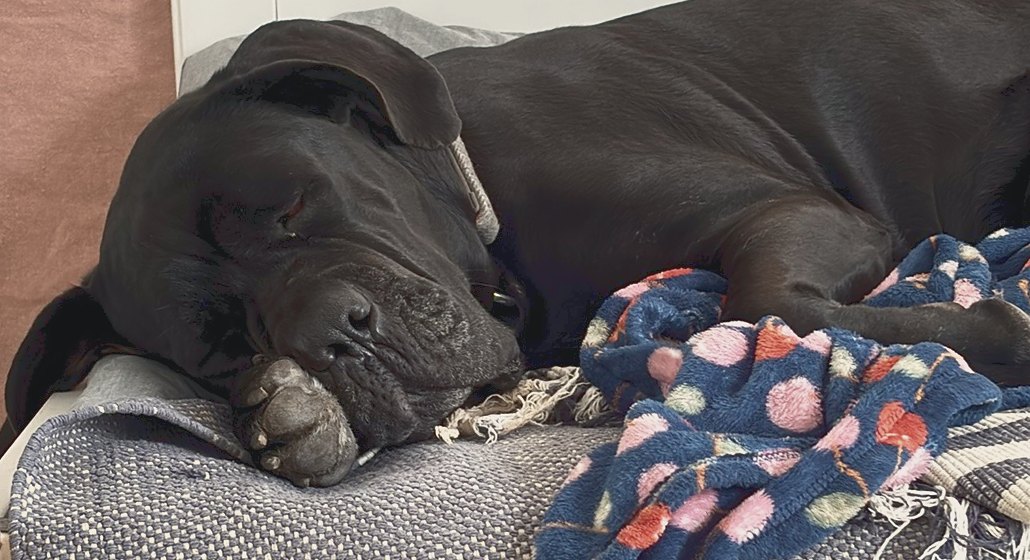
Several reproductive infections, including herpesvirus, can be present and transmissible without causing visible illness in an adult dog — which is exactly why relying on how healthy a dog “looks” is not a substitute for actual screening and good hygiene practice. This is particularly important when introducing an outside stud or bitch for a mating, since a dog that appears entirely well can still be a source of infection for the other dog or for a resulting litter.
In practice
A breeder assumes a visiting stud is healthy because he shows no signs of illness, and skips any infectious-disease conversation before the mating. Weeks later, a bitch newly exposed to herpesvirus for the first time during pregnancy loses part of the litter — a risk that basic screening and history-taking beforehand could have flagged. The lesson isn’t that every mating carries this risk, but that “he looks fine” isn’t the same as “he’s been checked.”
(Illustrative, composite scenario.)
(Illustrative, composite scenario.)
Reducing the risk
Good kennel hygiene — cleaning and disinfecting whelping and mating areas, isolating unwell dogs, and washing hands and changing clothing between handling different dogs where infection risk is a concern — reduces exposure risk generally. Requesting relevant health and infectious-disease history from an outside stud or bitch owner before a mating, alongside the Brucella canis testing that should already be standard, extends that same caution to the mating itself. Any unusual discharge, discomfort during mating, or unexplained fertility problems are worth a vet visit before repeating a mating attempt.
Keep new or returning dogs separate until your veterinarian has examined them and Brucella results are back. Do daily chores in a fixed order: healthy dogs first, then dogs in quarantine, then any sick dog, using separate cleaning equipment for each area. Routine vaginal swabs before mating are not recommended unless there is a clinical reason, because a healthy vagina normally carries many bacteria and the results can lead to unnecessary antibiotics. If your stud has had a fever or illness, expect semen quality to take around two months to recover, and plan semen evaluation accordingly.
When to call your vet
- A puppy in its first weeks suddenly stops feeding, cries persistently, breathes abnormally or weakens — call the same day. Herpesvirus puppies often have no fever, and illness can progress within a day.
- A puppy dies: keep the body cool (refrigerated, not frozen) so your vet can arrange a post-mortem, which helps protect the rest of the litter.
- A pregnant bitch aborts, has stillborn puppies, or has green or black discharge before the first puppy (an emergency — call immediately).
- A bitch has discharge, drinks noticeably more, vomits, is lethargic or has a swollen belly in the weeks after a heat — possible uterine infection (pyometra); same-day visit.
- A male shows abdominal pain, fever, reluctance to move, or any swelling of the scrotum or testes.
- Either dog has a fever above 103 °F (39.5 °C) or unusual discharge around a planned mating.
- If in doubt, call — your vet would rather hear from you early.
Work on it
A few minutes here will teach you more than re-reading the article.
Ask yourself
- Do I know the infectious-disease history of any outside dog I’m planning to mate with?
- Would I recognize vaginitis or prostatitis as a possible explanation for an otherwise unexplained fertility problem?
- Are my kennel hygiene habits consistent enough to reduce infection risk across matings and whelping?
Find out & check
- Find out what infectious-disease screening, beyond Brucella, is reasonable to ask for before an outside mating.
- Check your kennel’s cleaning and hygiene routine for gaps around mating and whelping areas.
Do one thing
- Write down your kennel’s current hygiene routine around mating and whelping, and note one thing to improve.
Was this article helpful?
Anonymous. We do not store your name, email or IP address.
Sources & further reading
- Merck Veterinary Manual — Canine Herpesvirus Infection. merckvetmanual.com
- Merck Veterinary Manual — Vaginitis in Small Animals. merckvetmanual.com
- Merck Veterinary Manual — Prostatitis in Dogs and Cats. merckvetmanual.com
- Merck Veterinary Manual — Breeding Soundness Examination of Male Dogs. merckvetmanual.com
- Merck Veterinary Manual — The Breeding Soundness Examination in Dogs and Cats. merckvetmanual.com
- Merck Veterinary Manual — Pyometra in Small Animals. merckvetmanual.com
- Purdue University Croney Research Group — Understanding Quarantine and Isolation. caninewelfare.centers.purdue.edu
Where evidence is limited, recommendations rest on established practice and expert judgment, and may be updated as knowledge develops.
Next steps
- Read next: Brucella canis: risk, screening and biosecurity.
- Related: Infertility in the bitch and dog.
- Return to the area hub: Reproduction and fertility.