On warm, wet evenings in spring and summer, toads come out into gardens, lawns and paths — and a dog that licks, mouths or bites one can be drooling and foaming within minutes, or in the worst cases, having seizures.
The most important first
- All toads produce toxins in their skin; some species are far more dangerous than others.
- The riskiest species are the cane toad (Australia, Florida, Hawaii and other warm regions) and the Colorado River toad (south-western US).
- Risk is highest in the breeding and rainy season, after rain and at dusk and night.
- Signs start within minutes: drooling, very red gums, pawing at the mouth.
- Rinse the mouth with running water and call a vet straight away.
Last updated: November 11, 2026
Which toads are dangerous?
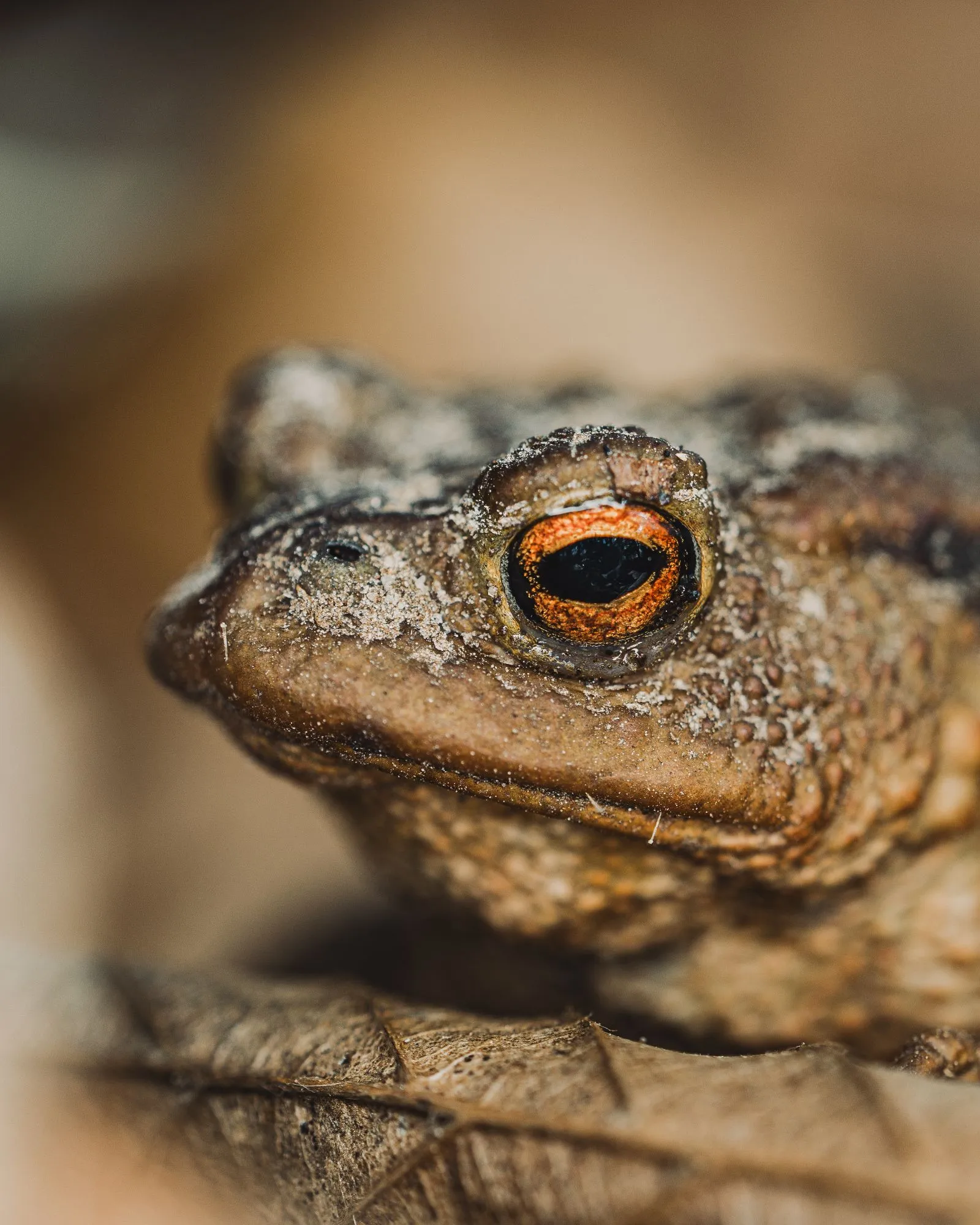
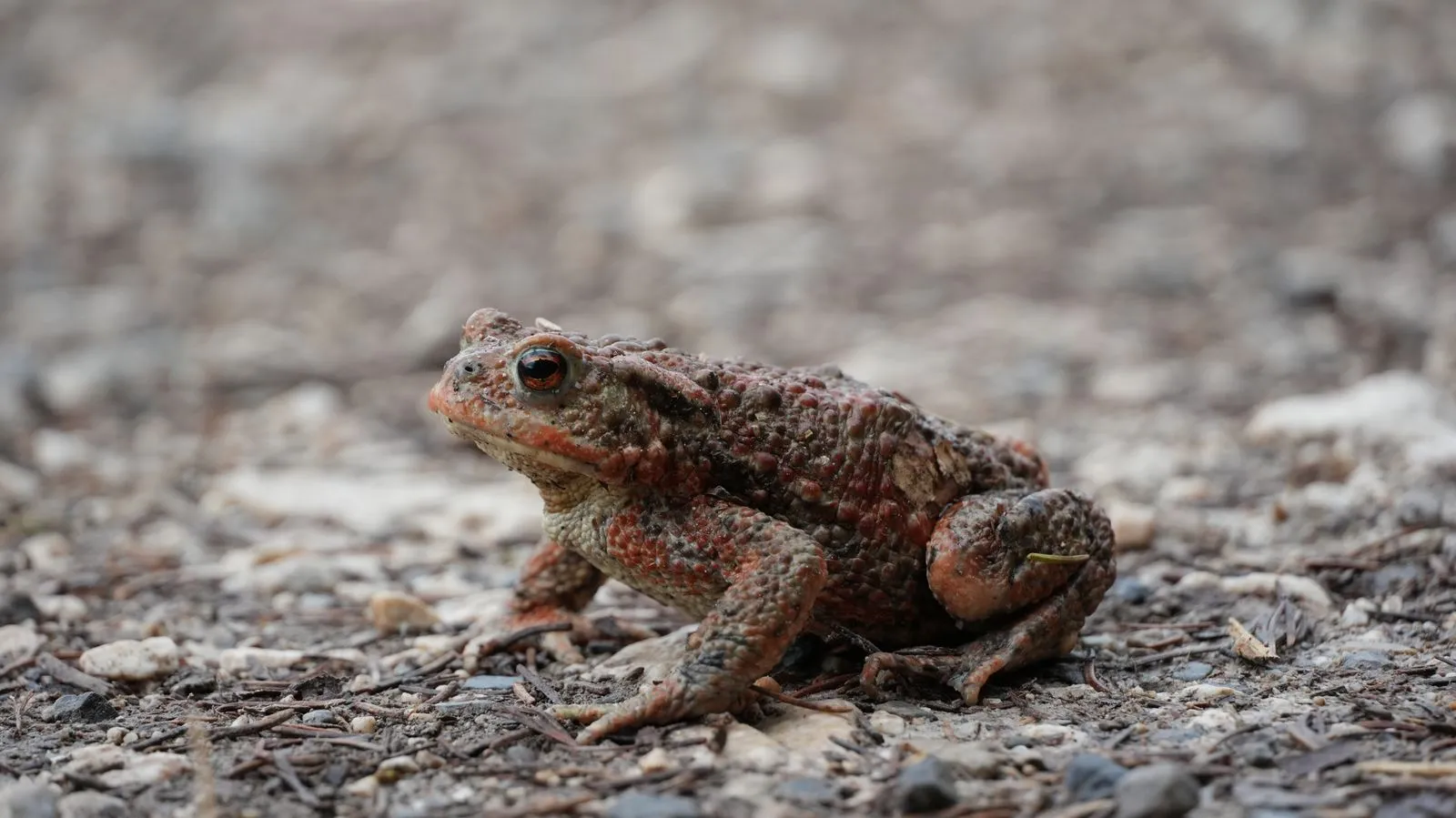
Pet Poison Helpline lists several toads as poisonous to pets, including the common and European toads, and stresses that all toads are poisonous to some degree. Veterinary toxicologists writing for VCA (Schmid and colleagues) explain that in the US, two species cause severe poisoning — the cane toad, in Florida, Texas, Hawaii, Louisiana and other tropical areas, and the Colorado River or Sonoran Desert toad, in the south-west — while most other US toads cause milder signs.
In Australia, cane toads are a well-known danger to dogs. In Europe, a review by Nagy and colleagues (2024) lists the common toad among the most common causes of animal-toxin poisoning in companion animals, while noting that the lack of a central reporting system makes the true numbers hard to know.
When is the risk highest?
VCA reports that encounters are more common in the rainy season, from March to September in the US, when toads breed, and that toads are most active after rain and at dawn, dusk and night. Studies of poisoned dogs show the same pattern:
- Florida: in 94 dogs treated for cane toad poisoning, Roberts and colleagues (2000) found that most cases occurred in spring and summer.
- Arizona: in 208 dogs poisoned by Colorado River toads, Wilkins and colleagues (2026) found that 84% of cases happened in summer, most of them during the monsoon season.
- Brisbane, Australia: in 90 suspected cane toad cases, Reeves (2004) found cases all year round, but fewest in winter.
Signs to watch for
VCA lists signs that appear within minutes:
- Drooling and frothing at the mouth.
- Very red gums.
- Pawing at the mouth, crying out or other signs of pain.
- Vomiting or diarrhea.
These can quickly progress to stumbling, tremors, seizures, abnormal eye movements, difficulty breathing and an abnormal heart rhythm. In Reeves’s study, 78% of dogs had increased salivation, 63% had red gums and 31% had seizures. In the Arizona study, nearly nine in ten dogs had neurological signs.
Small dogs may be at greater risk: in the Brisbane study, 76% of affected dogs were small breeds, most often Jack Russell, Silky and Fox Terriers.
What to do
- Rinse the mouth straight away with large amounts of running water, and rinse the face and eyes. VCA explains that this reduces how much toxin is absorbed. Rinsing the mouth was part of treatment for every dog in the Florida study, and the Arizona study recommends starting it as soon as possible.
- Call your vet or an emergency clinic at once, even if your dog seems only mildly affected.
- Bring or describe the toad if you can do so safely, as Pet Poison Helpline suggests — the species makes a difference.
Prompt treatment usually works: 96% of dogs survived in the Brisbane study, and 89 of 94 dogs recovered fully in the Florida study.
In practice
On a humid spring evening in Queensland, a family’s Jack Russell barks at something by the back step, then starts drooling heavily and pawing at his mouth. They spot a cane toad, rinse his mouth with the garden hose, phone the after-hours clinic and drive straight there. He is treated and home the next day.
(Illustrative, composite scenario.)
Prevention
- Supervise dogs outdoors after rain and at dusk and night, especially near water.
- Bring water bowls inside at night: VCA warns that drinking water a toad has sat in can poison a pet, and that tadpoles and eggs are toxic too.
- Keep the lawn short and remove standing water, as Pet Poison Helpline suggests, to make the garden less attractive to toads.
- Teach a reliable “leave it” and use a lead on evening walks in toad areas.
See also Processionary caterpillars and dogs and Garden dangers for dogs.
When to call your veterinarian
- Immediately if your dog has licked, mouthed or bitten a toad — don’t wait for signs.
- Drooling, foaming or very red gums after being outdoors at night or after rain.
- Any stumbling, tremors, seizures or breathing difficulty.
- If in doubt, call — your vet would rather hear from you early.
Work on it
A few minutes here will teach you more than re-reading the article.
Ask yourself
- Are there toads in my garden or on my evening walks?
- Does my dog’s water bowl stay outside overnight?
- Do I know the nearest after-hours clinic?
Find out & check
- Ask your vet which toads are dangerous where you live.
Do one thing
- Practice “leave it” and bring the water bowl inside tonight.
Was this article helpful?
Anonymous. We do not store your name, email or IP address.
Sources & further reading
- Schmid R, Brutlag A, Gollakner R — Toad poisoning in dogs. VCA Animal Hospitals. vcacanada.com
- Pet Poison Helpline (Benzow A, 2022, updated 2026) — My dog bit a toad. petpoisonhelpline.com
- Reeves MP (2004) — A retrospective report of 90 dogs with suspected cane toad (Bufo marinus) toxicity. Australian Veterinary Journal 82:608–611. doi.org
- Roberts BK, Aronsohn MG, Moses BL, et al. (2000) — Bufo marinus intoxication in dogs: 94 cases (1997–1998). Journal of the American Veterinary Medical Association 216:1941–1944. doi.org
- Wilkins A, Cagle L, Wells R, Granfone M (2026) — Clinical review of Colorado river toad (Incilius alvarius) intoxication in dogs in Arizona: clinical signs, treatments, and outcomes. Journal of the American Veterinary Medical Association 264:1–4. doi.org
- Nagy AL, Ardelean S, Chapuis RJJ, et al. (2024) — Zootoxins and domestic animals: a European view. Toxins 16:48. doi.org
Where evidence is limited, recommendations rest on established practice and expert judgment, and may be updated as knowledge develops. This is general information and does not replace advice from your veterinarian.
Next steps
- Read next: Processionary caterpillars and dogs.
- Related: A first aid kit for dog owners · Snakebite in dogs.
- Return to the guide: For your puppy buyers.