Most kennel outbreaks are not caused by a failure of hygiene inside the kennel — they are caused by something that walked in through the door, on a dog, a boot or a pair of hands.
The most important first
- Disinfection only works on a surface already cleaned. Published protocols are sequential: remove gross organic matter, wash with a detergent, apply the disinfectant at label concentration for the full contact time, then rinse and dry. Water alone is not a protocol.
- Canine parvovirus is non-enveloped and persistent: the Merck Veterinary Manual reports survival indoors at room temperature for at least two months, and outdoors for many months or possibly years where it is shielded from sunlight and drying.
- Quaternary ammonium compounds are described as unreliable against parvovirus; agents with reported activity include dilute sodium hypochlorite, potassium peroxymonosulfate and accelerated hydrogen peroxide. Contact times differ by product, from 1 to 5 minutes for hypochlorite up to 10 to 30 minutes for quaternary compounds.
- Footbaths are widely regarded as inadequate on their own, because organic debris inactivates the disinfectant and the necessary contact time is impractical. Dedicated boots or disposable covers are preferred.
- This is the kennel-level companion to infection control and biosecurity for a litter: that article protects the puppies, this one keeps anything from reaching them.
A different problem from litter-level biosecurity
Around a litter, the task is to create a protected zone and control who enters it. At kennel level the task sits upstream of that: to stop pathogens entering the premises at all, and to contain them if they do. A breeder can run an immaculate whelping room and still infect it, because the route in was a show, a mating, a clinic visit or an imported dog.
So the highest-value measures here are the ones applied to movement — dogs arriving and returning, people visiting, equipment shared — rather than to the intensity of routine cleaning. They are also the ones that constrain other people, sometimes people doing you a favor, which is why they work when written down in advance and fail when improvised at the door.
Cleaning before disinfection
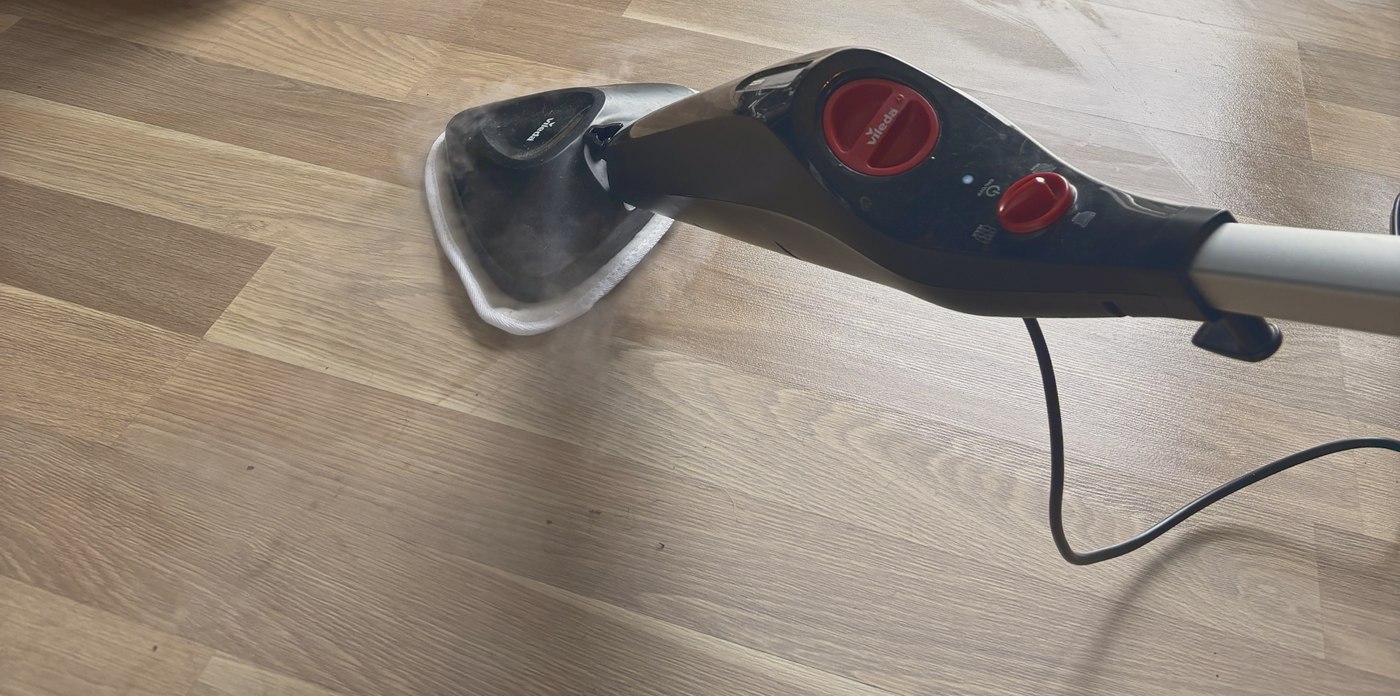
Licensing rules give a useful baseline. England’s breeding license guidance expects occupied kennels to be cleaned every day, feces removed at least twice a day, and kennels disinfected at least weekly and whenever a new dog moves in. US federal standards for USDA-licensed facilities require daily removal of waste and sanitizing of enclosures and bowls at least every two weeks. Many breeders will want to do more, especially around litters.
The sequence matters more than the product. The Association of Shelter Veterinarians’ standards describe a protocol as removing gross organic matter, pre-cleaning with a detergent or degreaser, applying a disinfectant at the correct concentration for sufficient time, then rinsing and drying. The AAHA infection control guidelines put the principle plainly: disinfection can only be maximally effective if it is preceded by cleaning, because organic debris both inactivates many disinfectants and shelters pathogens.
Contact time is the step most often lost. The AAHA guidelines give a general range of 5 to 10 minutes while deferring to the product label, and emphasize that the surface must stay visibly wet for the whole period — if it dries, it must be reapplied. Shelter standards treat spraying a kennel while dogs are inside as unacceptable, and high-pressure washing can spread contaminated material rather than removing it. For premises affected by parvovirus, the Merck Veterinary Manual recommends cleaning, disinfecting and drying equipment twice before reuse. Heavily soiled bedding is often safer to throw away than to try to disinfect.
Choosing a disinfectant for what you are trying to kill
Non-enveloped viruses are the reason disinfectant choice matters in a breeding kennel. Parvovirus lacks a lipid envelope, which makes it resistant to many common detergents and disinfectants and to changes in temperature and pH. Agents reported as active against it include dilute sodium hypochlorite, potassium peroxymonosulfate, accelerated hydrogen peroxide and other peroxygens. Quaternary ammonium compounds are explicitly described as not reliable against parvovirus, and shelter standards note that some quaternary products failed independent testing against non-enveloped viruses despite their labeling.
Dilution and contact time are product-specific and should come from the label rather than from habit. For orientation, the AAHA guidelines place hypochlorite at 1 to 5 minutes and accelerated hydrogen peroxide at 1 to 10 minutes against 10 to 30 minutes for quaternary compounds, and note that diluted bleach should be made up fresh daily; the Merck Veterinary Manual quotes household bleach dilutions of about one part in thirty to one part in thirty-two for parvovirus-contaminated environments; always follow the product label. Hand hygiene follows the same logic: alcohol hand rub does not work against parvovirus, so soap and water are required where it is suspected.
Know the early signs of parvovirus, because speed matters. Signs usually start about 5–7 days after exposure (sometimes 2–14 days). At first they are vague, such as tiredness, not eating and fever, and within a day or two they can progress to vomiting and bloody diarrhea. Isolate the puppy or dog straight away and phone your veterinarian before you travel, so the clinic can keep other patients safe.
Zones, order of work and shared equipment
Zoning is the cheapest biosecurity a kennel can implement, because it costs sequence rather than money. Shelter standards set the order of work by susceptibility: healthy puppies and healthy nursing mothers first, then healthy adults, then any animal that is unwell. Foot traffic should be planned to move from the healthiest animals towards those most likely to be shedding, never the reverse.
Equipment follows the zones: separate cleaning supplies for each area, protective clothing changed between areas, equipment used in isolation kept in isolation, and food bowls never washed in the same sink as anything used for waste. Shelter standards cite an older New Zealand guideline suggesting that about ten percent of housing capacity be kept available for isolating suspected infectious cases, and themselves recommend that dog isolation have air circulation separate from the rest of the building. In England, licensed breeders must have self-contained isolation for sick, injured or possibly infectious dogs. Plan where that space is before you need it.
Footbaths are the common exception: shelter standards describe them as inadequate on their own and advise that animals never be made to walk through one. Dedicated boots that can be disinfected, or disposable covers, achieve what a footbath is supposed to.
Visitors
Puppy buyers, stud dog owners, breed club friends and tradespeople all carry the same risk by different routes. A workable visitor routine has four elements: nobody visits who has been in contact with a sick dog or in a clinic that day; outdoor footwear comes off or is covered; hands are washed on arrival rather than departure; and visitors do not enter the kennel building or approach a litter unless asked to.
Enforcement is easier if the rule is published. Putting visiting conditions on the website, in the waiting-list correspondence and in the message that confirms the appointment produces far less friction than explaining at the gate; communication and setting expectations covers the wording. Visitors should also be recorded, because a dated visitor log becomes valuable exactly once — when something appears in the kennel and you need to reconstruct who was in the building during the incubation period.
Quarantine for dogs coming in and coming home
Quarantine applies to more situations than most breeders apply it to: a newly bought or imported dog, a bitch returning from a mating, a dog back from a show, a dog discharged from a clinic, a dog returned by a buyer. The principle is the same each time — housed separately, handled last, observed before rejoining the group.
Published duration guidance is sparse. One UK code of practice, written for establishments that keep dogs for scientific purposes rather than for breeding kennels, suggests a minimum quarantine of two weeks, a reasonable default for an apparently healthy adult; the right period for an imported dog, or one from a premises with known disease, is a veterinary and often a regulatory question, since import rules and notifiable disease lists differ sharply between jurisdictions. What decides whether quarantine happens at all is the practical arrangement: somewhere to put the dog that is not the whelping room, its own bowls and cleaning kit, a rule that it is dealt with last, and a note of when the period starts and ends.
Two weeks is a common minimum for an apparently healthy dog, but it is not enough for everything. With canine influenza, for example, the AVMA recommends keeping an infected dog away from other dogs for four weeks after signs first appeared, and dogs can spread it before they look ill. If a new or returning dog coughs, has a nasal discharge, vomits or has diarrhea, talk to your veterinarian about how long to keep it apart and whether to test it.
In practice
A breeder with two litters a year keeps one laminated card inside the kennel door: the cleaning sequence and contact time for the two products she uses, the order the runs are done in, and the three questions she asks any visitor. Returning show dogs go into the end run for two weeks with their own bucket and bowls, and are fed last. When a stud visit is followed ten days later by a cough in the dog that traveled, nothing else in the kennel is affected, and the dated visitor log tells her veterinarian who else had been in the building that week.
(Illustrative, composite scenario.)
When to call your vet
- A puppy or dog has vomiting, diarrhea (especially bloody), or stops eating and seems tired. Isolate it and phone before you travel.
- More than one dog shows the same signs within a few days.
- A newly arrived, returning or quarantined dog coughs, sneezes, has a fever or a nasal or eye discharge.
- A dog in quarantine was exposed to a known infection, or came from premises with disease, so that you can agree on the quarantine length and testing.
- You have had parvovirus or another hardy infection on the premises and need a plan for cleaning, disinfection and when it is safe to bring in puppies again.
- A puppy in a litter becomes weak or stops nursing.
- If in doubt, call — your vet would rather hear from you early.
Work on it
A few minutes here will teach you more than re-reading the article.
Ask yourself
- What was the last thing to enter my premises that had been somewhere else that day, and what did I do about it?
- Do I leave my disinfectant on surfaces for the time its own label specifies?
- In what order do I clean, and does that order run from the healthiest dogs towards the least healthy?
Find out & check
- Read the label of the disinfectant you already own: which organisms it claims activity against, at what dilution, for what contact time, and whether it works in the presence of organic matter.
Do one thing
- Set up one quarantine space with its own bowls, bedding and cleaning kit, before you need it.
Was this article helpful?
Anonymous. We do not store your name, email or IP address.
Sources & further reading
- Association of Shelter Veterinarians — Guidelines for Standards of Care in Animal Shelters, Second Edition (2022). doi.org
- Association of Shelter Veterinarians — Guidelines for Standards of Care in Animal Shelters (2010 edition). scstatehouse.gov
- American Animal Hospital Association — 2018 AAHA Infection Control, Prevention and Biosecurity Guidelines: Properties of disinfectants. aaha.org
- Merck Veterinary Manual — Canine Parvovirus. merckvetmanual.com
- UK Home Office — Code of Practice for the Housing and Care of Animals Bred, Supplied or Used for Scientific Purposes: dogs. publishing.service.gov.uk
- Department for Environment, Food and Rural Affairs — Dog breeding licensing: statutory guidance for local authorities. gov.uk
- eCFR (USA) — 9 CFR Part 3, Subpart A: Specifications for the humane handling, care, treatment, and transportation of dogs and cats. ecfr.gov
- American Veterinary Medical Association — Canine influenza. avma.org
Where evidence is limited, recommendations rest on established practice and expert judgment, and may be updated as knowledge develops. Disinfectant concentrations and contact times are quoted from the named guidelines for orientation only: authorized products differ between countries, and the label and your own veterinarian govern what you use, at what dilution, on what surface. Quarantine periods, import conditions and notifiable disease requirements are set nationally and are not interchangeable. Nothing here replaces veterinary advice on a specific dog or outbreak.
Next steps
- Read next: Record-keeping and documentation for breeders.
- Related: Hygiene and biosecurity in the neonatal period · Parasite control in the kennel: dams, litters and age limits · Spring in the kennel: mud, drainage, giardia and coccidia.
- Return to the area hub: Running a kennel: operations, records and resilience.