A per-puppy checklist for the final weeks — built so that nothing about a puppy’s health, identity or paperwork is discovered for the first time by the new owner’s vet.
The most important first
- Work through it per puppy, not per litter: eight puppies means eight completed checks.
- Run it twice — once around the veterinary visit, and once in the final 48 hours before handover.
- Every entry that a buyer will rely on needs a date, a product name and a number, not a tick.
- Anything unresolved goes to the buyer in writing before collection, not in conversation on the day.
Per-puppy health check
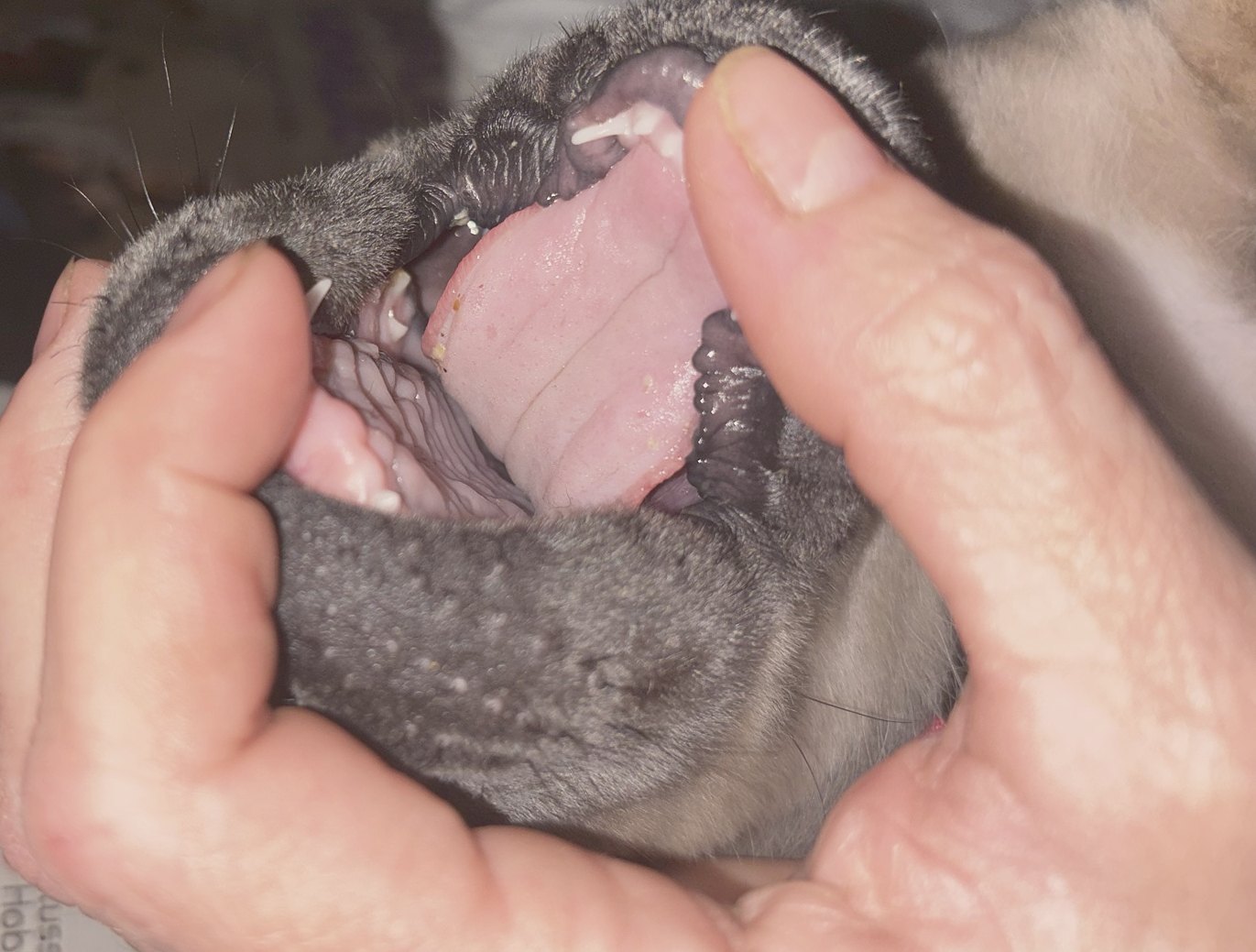
- Puppy ID (collar color, chip number, name if registered)
- Current weight, and the weight trend over the last three weeks
- Body condition assessed by hand, not by eye (see growth and body condition in puppies)
- Eyes, ears, nose — clear and free of discharge
- Mouth: palate intact, bite noted, teeth present as expected for age
- Umbilicus: hernia present or absent, and its size if present
- Genitalia: anatomy noted; testicle descent recorded as a finding to follow up, not a conclusion
- Skin and coat: no pustules, sores, parasites or bald patches
- Gait and joints: moves evenly, no lameness or reluctance to bear weight
- Stools: formed, and normal for the past week
- Microchip scanned and the number confirmed against the paperwork
- Eating the current food reliably, in the amount recorded
Veterinary check
- Date of examination and name of the practice
- Findings recorded in full, including minor ones
- Anything needing a recheck, with the date it is booked for
- Fecal examination result, if performed
- Certificate or written summary filed for the buyer’s copy
If the vet hears a heart murmur, ask for the grade to be written in the record. Many soft murmurs in young puppies disappear by four to six months. Louder murmurs, or any murmur still present at six months, need a further workup, which may include a referral to a veterinary cardiologist. Pass this on to the buyer with a recheck date.
What the kennel clubs say
Some kennel clubs require their own forms. The Swedish Kennel Club (SKK), for example, requires members to use sales contracts with content set by SKK, to attach a veterinary certificate no more than seven days old on the day of delivery, and to hand over the registration certificate at the sale.
Source: Swedish Kennel Club (SKK), Basic rules (Grundregler), in force from January 1, 2026.
Last updated: November 8, 2026
Rules change, so always check with your own kennel club.
Documents for each buyer
- Vaccination record: product, batch number, date given, veterinarian — and the date the next dose is due (see vaccination and immunity in puppies)
- Worming record: product, active ingredient, dose, dates given, and the schedule to continue (see parasites and worming schedules)
- Microchip number plus confirmation that registration is complete and in your details, ready to transfer
- Registration or pedigree paperwork, with any restriction on registration explained
- Both parents’ health screening results
- The signed contract
- Feeding instructions: current food, portion, number of meals, and enough food to bridge the first days (see feeding the growing litter)
- Insurance details, if cover is provided or arranged
- Written summary of the socialization and habituation the puppy has had
Microchip rules differ by country and state. In England, Scotland and Wales, puppies must be microchipped and registered to the breeder by eight weeks. In New South Wales, Australia, they must be chipped before sale or by twelve weeks, and adverts for puppies born from December 1, 2025 must show both the microchip number and the breeder identification number (BIN). Wherever you are, a chip only helps if it is registered and the details are correct, so include the database confirmation and not just the number. The vaccination record matters for the same practical reason: the puppy series runs to 16 weeks or later, so the next due date is what the buyer’s vet needs most.
Litter-level records to keep
- Weekly weights for every puppy, from three weeks onward
- Every illness and every treatment given, per puppy
- Worming and vaccination dates for the whole litter
- The dam’s health through lactation and weaning
- Notes on individual temperament and development, for your own follow-up later

Final 48 hours
- Rescan every chip
- Final weigh and a last hands-on check
- Nails trimmed; puppy clean and dry
- Food portioned and packed
- Folder complete, per puppy, with nothing left to email afterwards
- Anything unresolved communicated in writing
If a puppy develops diarrhea, vomiting, a cough, nasal discharge or a poor appetite in the last two days, pause the handover and call your veterinarian. Moving to a new home is stressful, and a puppy that is already unwell can get worse quickly away from the people who know its history. Tell the buyer why, in writing, and agree on a new date.
Using it well
The point of running this twice is that the two passes catch different things. The pass around the veterinary visit gives you time to act — a recheck, a treatment, a delayed handover. The pass in the final 48 hours catches the practical: a chip that will not read, a document still in the printer, a puppy that has lost condition in a busy week. Filed together with the litter records described in daily care and hygiene routines, it also becomes the baseline you will want when you follow these dogs up years later.
When to call your vet
- A puppy is not eating reliably, or has diarrhea or vomiting, in the days before handover
- The weight trend over the last weeks has flattened or dropped
- A cough, nasal or eye discharge, or labored breathing appears
- A new lump, umbilical swelling or limp appears after the vet check
- A heart murmur was found and no recheck has been booked
- If in doubt, call — your vet would rather hear from you early.
Work on it
A few minutes here will teach you more than re-reading the article.
Ask yourself
- Is my checklist filled in per puppy, or am I carrying most of it in my head?
- Is there anything I would rather the buyer’s vet did not find first?
Find out & check
- Check what your own registry and national law require in the handover documentation, and add those fields to this list.
Do one thing
- Print or duplicate one copy per puppy today, and fill in the identity fields while the litter is still small.
Was this article helpful?
Anonymous. We do not store your name, email or IP address.
Sources & further reading
- WSAVA Vaccination Guidelines Group — 2024 Guidelines for the Vaccination of Dogs and Cats. wsava.org
- Association of Microchip Database Operators — Microchipping Legislation: A Clear and Simple View. amdo.org.uk
- GOV.UK — Get your dog or cat microchipped. gov.uk
- NSW Office of Local Government — Sell or give away a pet. olg.nsw.gov.au
- American Veterinary Medical Association — National Check the Chip Day. avma.org
- Companion Animal Parasite Council (CAPC) — Ascarid guidelines. capcvet.org
- University of Illinois College of Veterinary Medicine — The Tell-tale Murmur: Heart Problems in Puppies. vetmed.illinois.edu
- American Kennel Club — What to Expect at Your Puppy’s First Vet Visit. akc.org
Where evidence is limited, recommendations rest on established practice and expert judgment, and may be updated as knowledge develops. Documentation requirements differ between countries and registries — check yours and extend this list accordingly.

Next steps
- Read next: Behavior and development: raising confident, resilient puppies.
- Related: Vet checks, microchipping and registration.
- Return to the area hub: Raising a healthy litter.