A litter is judged in the end by where each puppy lands and how it settles there — and that is decided far less by the day of the handover than by the advert, the first reply to an inquiry, the conversations that follow and the paperwork that carries the puppy into its new life.
The most important first
- This area begins before the puppies are born, with how you present the litter and answer the first inquiry, and it does not end when the car pulls away.
- Selling is welfare work, not administration: who the puppy goes to, what the buyer was told, and what was written down all shape the dog’s next decade.
- Advertising is regulated in some jurisdictions. In England, an advertisement for the sale of a dog by a licensed seller must include the license number, the local authority that issued it, a recognizable photograph of the dog and the dog’s age.
- In England, a licensed breeder may not sell a puppy or permanently separate it from its biological mother before eight weeks of age, and may only show a puppy to a prospective buyer together with its mother.
- This area takes its raw material from the evaluation work in understanding and placing each puppy and its documentation from the pre-sale health checklist — it is where all of that is finally spent.
What this area covers
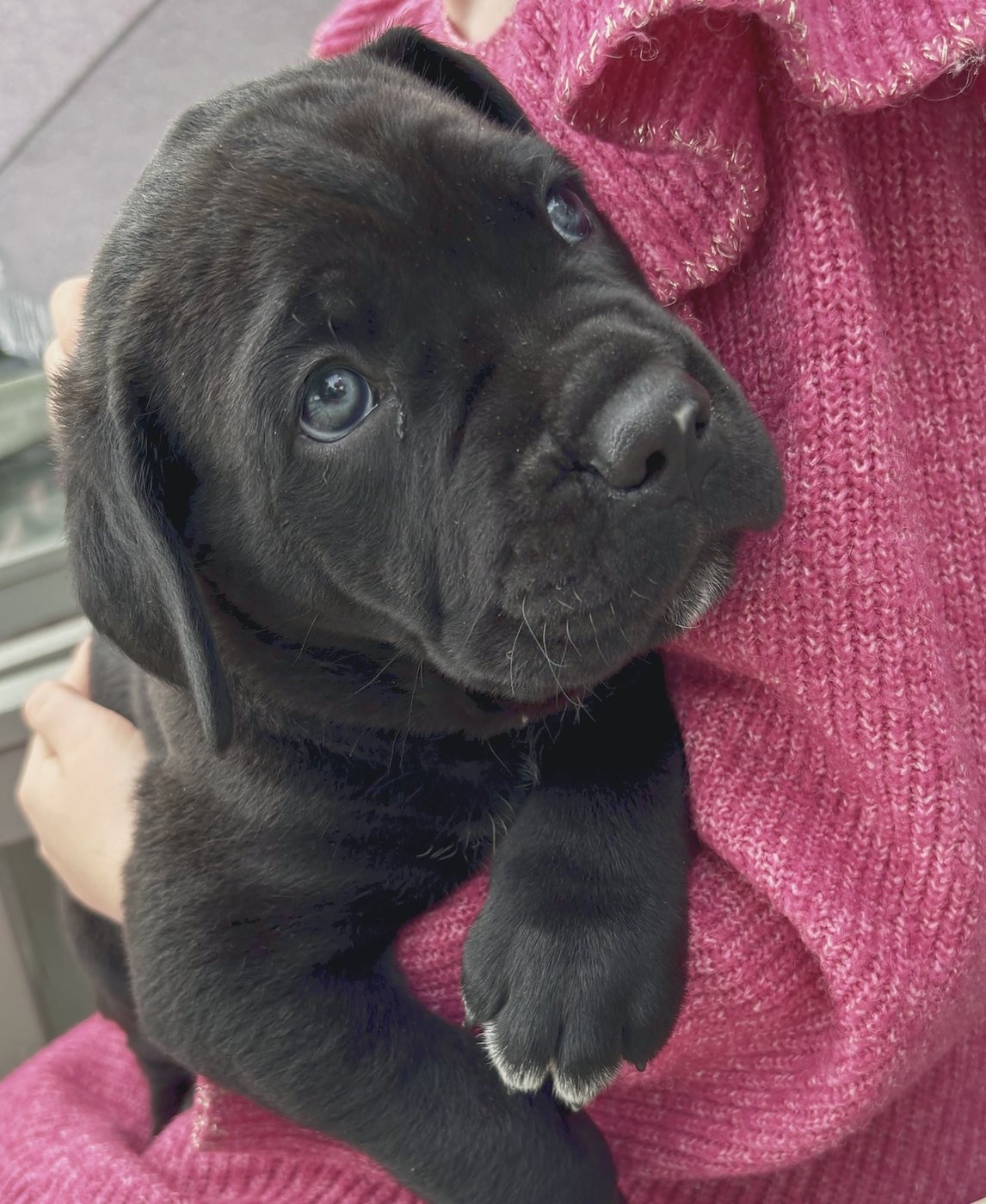
The area runs the length of the commercial and human relationship around a litter. It opens with marketing and presenting a litter responsibly and with inquiries and managing a waiting list, then moves into selection: interviewing and selecting buyers, supported by a buyer interview question set, and communication and setting expectations — the promises you make and the ones you refuse to make. The commercial and legal spine follows: pricing, deposits and payment, sales contracts and consumer law with a Puppy Purchase Agreement template (coming soon) setting out what such a document has to answer, insurance and liability, the particular arrangements behind guardian homes, breeding rights and co-ownership, and export and international sales where a puppy crosses a border. It then turns to the transfer itself: the puppy handover checklist, a puppy pack checklist, documents and the puppy pack and educating your puppy buyers. It closes on the far side of the door with the first journey and the first days at home and with buy-back, returns and rehoming — the commitment that makes the rest of it credible.
Handover day has two jobs that are easy to forget. Transfer the microchip registration to the new owner — in England each puppy must be chipped and registered to the breeder before sale, and in Australia the national kennel club’s code expects written microchip transfer details for every buyer. And ask the buyer to book a check with their own veterinarian within the first week, because the puppy’s vaccination course is not finished when it leaves you.
What the kennel clubs say
Some kennel clubs bar dealers altogether. Members of the Swedish Kennel Club (SKK) may not use or act as a reseller when buying or selling a dog, or register puppies in someone else’s name when they are not the real breeder.
Source: Swedish Kennel Club (SKK), Basic rules (Grundregler), in force from January 1, 2026.
Last updated: November 8, 2026
Rules change, so always check with your own kennel club.
Why this area stands on its own
Everything before this point is about the puppies. This area is about people, and it fails in different ways. A litter can be immaculately bred, well grown and thoroughly socialized, and still end badly because a buyer was told what they wanted to hear, because no one wrote down what had been agreed, or because a home that was obviously wrong was accepted in week seven when one puppy was still unplaced.
It is also the only part of your work that is routinely regulated as a transaction. Depending on where you live, the sale may sit under licensing conditions, consumer protection rules, microchip registration duties and — if the puppy travels — animal health certification. Kennel clubs add their own layer: the Royal Kennel Club’s guidance for first-time breeders covers where to advertise, asking to see photographic identification before a visit, having someone else present when strangers come to the house, and giving a written receipt for any deposit. The Animal Welfare Foundation publishes the Puppy Contract as a free toolkit precisely because so much of what goes wrong between breeder and buyer is undocumented.
The third thing that makes the area distinct is that it is where your judgment stops being private. A decision about which puppy to keep affects your own household. A decision about which family gets the reactive, high-drive puppy affects strangers, their neighbors and a dog that cannot argue its case.
How this area connects to what comes next
The inputs arrive from two directions. The individual knowledge — what this puppy is like, what it will need — comes from understanding and placing each puppy and specifically from matching puppy to home; the assessment of the applicants themselves is in assessing prospective puppy buyers. The paperwork and clinical facts arrive from vet checks, microchipping and registration and the pre-sale health checklist. What you hand over about behavior — what each puppy found difficult, what has been practiced — comes out of behavior and development.
Downstream, this area makes the next one possible. Buyers who were told the truth, given a written record and treated as partners are the buyers who answer your emails five years later; that is the raw material for follow-up, health data and the decisions of the next generation. The American Kennel Club’s guidance on responsible breeding puts the same point more bluntly: a breeder’s responsibility does not end when the puppies leave, and a responsible breeder stays available and is prepared to take a dog back. Sales done well is not a stage you complete. It is the beginning of a relationship you will be drawing on for the rest of that dog’s life.
Work on it
A few minutes here will teach you more than re-reading the article.
Ask yourself
- If a buyer asked me next year what I had promised them, could I show them where it is written down?
- Which parts of my sales process exist only in my head, and what happens to them if I am ill in week seven?
- Have I ever placed a puppy in a home I had doubts about because time was running out?
Find out & check
- Find out what licensing, advertising and consumer rules apply to selling a puppy where you live, and whether your local authority or national kennel club publishes written guidance on them.
Do one thing
- Write down, in one page, the sequence your buyers currently go through from first message to handover — and mark the steps that produce no written record.
Was this article helpful?
Anonymous. We do not store your name, email or IP address.
Sources & further reading
- The Royal Kennel Club — Selling your puppies. royalkennelclub.com
- American Kennel Club — AKC’s Guide to Responsible Dog Breeding. akc.org
- Animal Welfare Foundation and RSPCA — Puppy Contract. animalwelfarefoundation.org.uk
- The Animal Welfare (Licensing of Activities Involving Animals) (England) Regulations 2018, Schedule 6 — Specific conditions: breeding dogs. legislation.gov.uk
- GOV.UK (Defra) — Dog breeding licensing: statutory guidance for local authorities. gov.uk
- The Royal Kennel Club — Contract for the sale and purchase of a puppy. royalkennelclub.com
- Dogs Australia (ANKC) — National Code of Practice of Responsible Dog Ownership (July 2023). dogsaustralia.org.au
Where evidence is limited, recommendations rest on established practice and expert judgment, and may be updated as knowledge develops.
Next steps
- Read next: Marketing and presenting a litter responsibly.
- Related: Matching puppy to home · Before your puppy comes home: what to buy and how to get ready.
- This area follows Puppy Evaluation, Matching & Selection, and it is where the whole breeding program meets the people who will live with the result.